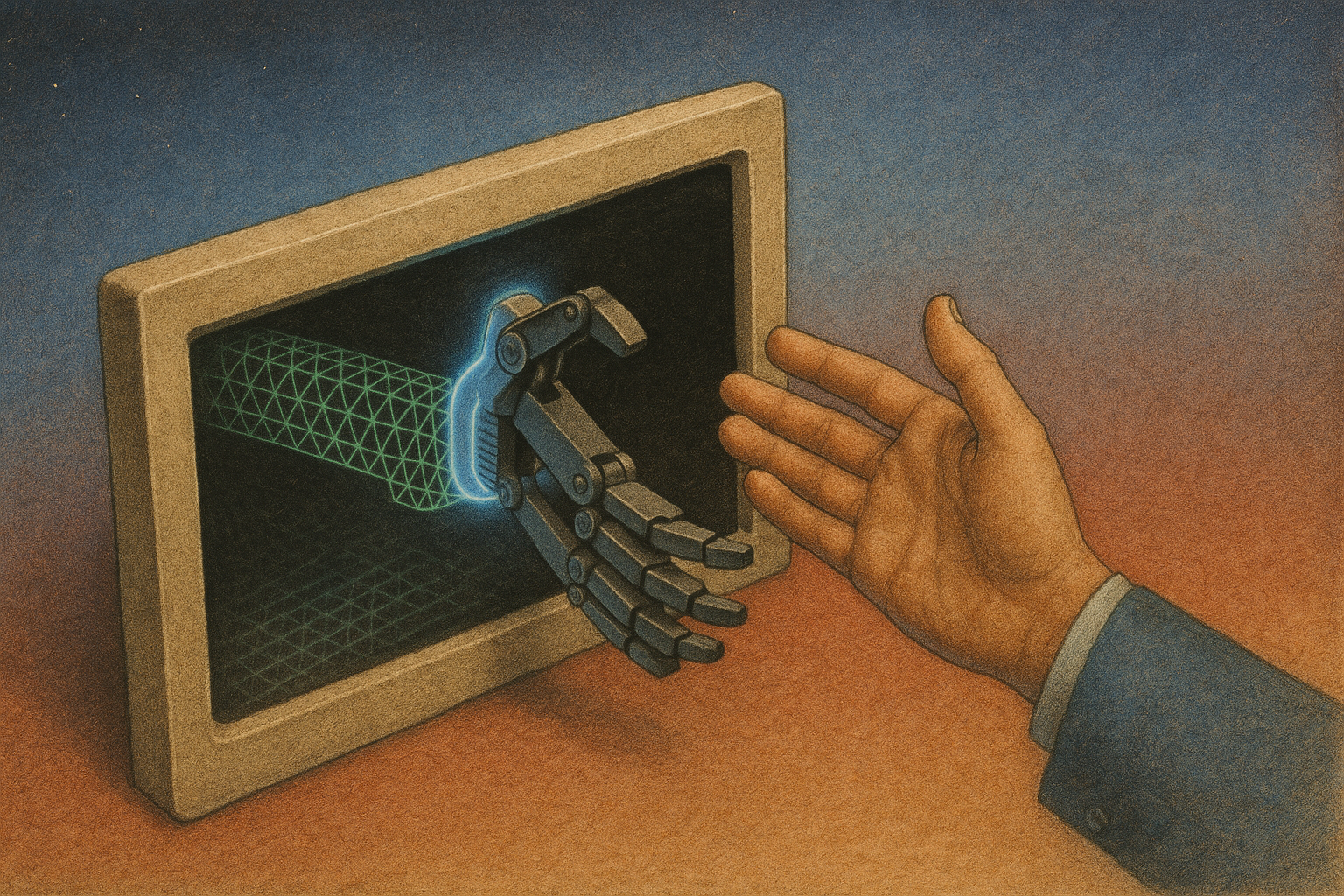
Photography has traditionally been a hobby with a high barrier to entry. Professional-quality cameras cost thousands of dollars, and mastering manual settings takes years of practice. But AI is democratizing photography in remarkable ways, allowing anyone with a smartphone to create stunning images.
The AI Photography Revolution
AI isn't just changing how we edit photos—it's transforming the entire photographic process from capture to final output. Today's AI tools can:
- Intelligently enhance low-light photos
- Automatically compose balanced shots
- Remove unwanted objects and people
- Replace skies and backgrounds
- Generate entirely new elements
- Upscale low-resolution images
- Convert simple snapshots into artistic masterpieces
The best part? Most of these capabilities are available either for free or at a fraction of what professional photography equipment costs.
Essential AI Photography Tools for Beginners
1. Capture Enhancement: Google's Night Sight & Apple's Night Mode
Both Android and iPhone users have access to computational photography features that can capture details in near darkness that even the human eye can't see.
Pro Tip: When using night mode, stabilize your phone against a solid surface rather than using a tripod. The slight natural movement actually helps the AI gather more data points for a cleaner final image.
2. Composition Assistance: Glass AI Camera
This app uses AI to guide your composition in real-time. It analyzes the scene through your viewfinder and suggests subtle adjustments to follow photography principles like the rule of thirds, leading lines, and proper framing.
Pro Tip: Use the app's "training mode" for two weeks, then try shooting without it. You'll find the composition principles have become second nature.
3. Basic Editing: Snapseed
Google's free Snapseed app includes AI-powered auto-adjust features that analyze your photo and apply appropriate adjustments to contrast, saturation, and white balance.
Pro Tip: After applying the auto adjustments, fine-tune the results using the "selective" tool to enhance specific areas of your photo.
4. Object Removal: TouchRetouch
This specialized app makes removing unwanted objects, power lines, or photobombers incredibly simple. Its AI can distinguish between the object you want to remove and the background that should replace it.
Pro Tip: For complex removals, use the "line removal" tool first for any straight elements, then the "object removal" tool for organic shapes.
5. Portrait Enhancement: Remini
Remini can transform blurry, low-resolution portraits into sharp, detailed images. It's particularly effective at enhancing facial features without making people look artificial.
Pro Tip: Remini works best when the original image has good lighting, even if it's blurry. Poor lighting conditions are harder for the AI to interpret correctly.
6. Creative Transformation: Prisma
Turn your photos into artwork that mimics the styles of famous painters. Prisma's AI analyzes the content of your image to apply artistic styles in a way that complements the subject.
Pro Tip: Landscapes and architecture typically work better with artistic filters than portraits do.
7. Advanced Editing: Luminar Neo
This desktop application uses AI for more sophisticated edits like sky replacement, portrait enhancement, and automatic subject recognition.
Pro Tip: Luminar's "Atmosphere AI" can add dramatic fog, mist, or sunbeams to landscape photos in a way that looks completely natural.
Five AI Photography Techniques Anyone Can Master
Technique 1: Computational Long Exposure
Traditional long exposure photography requires expensive neutral density filters and a tripod. With AI, you can create the same effect handheld.
How to do it:
- Take 5-10 photos of the same scene (moving water, traffic, clouds)
- Import them into Google Photos or Photoshop Elements
- Use the "motion" or "long exposure" stack feature
- The AI will blend the images, keeping stationary elements sharp while blurring motion
Technique 2: AI Portrait Lighting
Create studio-quality portrait lighting with just your phone and AI.
How to do it:
- Take a portrait in even, diffused lighting (shade works well)
- Import into Lightroom Mobile or Snapseed
- Use the "portrait light" or "selective" tool to add directional lighting
- The AI will calculate how light would naturally fall on facial features
Technique 3: Content-Aware Expansion
Need a wider shot but can't step back? AI can expand your canvas.
How to do it:
- Open your photo in Photoshop or Pixelmator Pro
- Use the content-aware crop tool to expand the canvas
- The AI will generate new content that seamlessly matches your original image
Technique 4: Perspective Correction
Fix distorted architecture or create a perfect top-down food shot after the fact.
How to do it:
- Open your photo in Lightroom Mobile or Snapseed
- Use the "perspective" or "geometry" correction tools
- The AI will not only adjust the perspective but fill in missing areas at the edges
Technique 5: Style Transfer for Consistent Series
Create a cohesive look across photos taken in different conditions.
How to do it:
- Edit one photo to your preferred style
- In Lightroom or Google Photos, select additional photos
- Use the "copy edit" or "apply style" feature
- The AI will intelligently adapt your preferred style to each unique photo
The Ethics of AI Photography
As AI tools become more powerful, it's important to consider the ethical implications:
- Be transparent about AI enhancements when sharing your work
- Respect copyright when using AI to transform others' images
- Consider the impact of realistic AI-generated elements on viewer trust
- Use AI to enhance your creative vision, not replace it
Conclusion: The Democratization of Photography
AI photography tools are removing technical barriers that have historically kept photography exclusive. Now, creative vision matters more than expensive equipment or technical expertise.
These tools don't replace the photographer—they expand what's possible. The fundamental elements of great photography—composition, timing, and emotional impact—remain as important as ever. AI simply makes it easier to realize your creative vision.
What AI photography techniques have you tried? Share your experiences in the comments below!
Written by
Pat Simmons. Pat tests AI models and tools on the AI for Mortals YouTube channel.