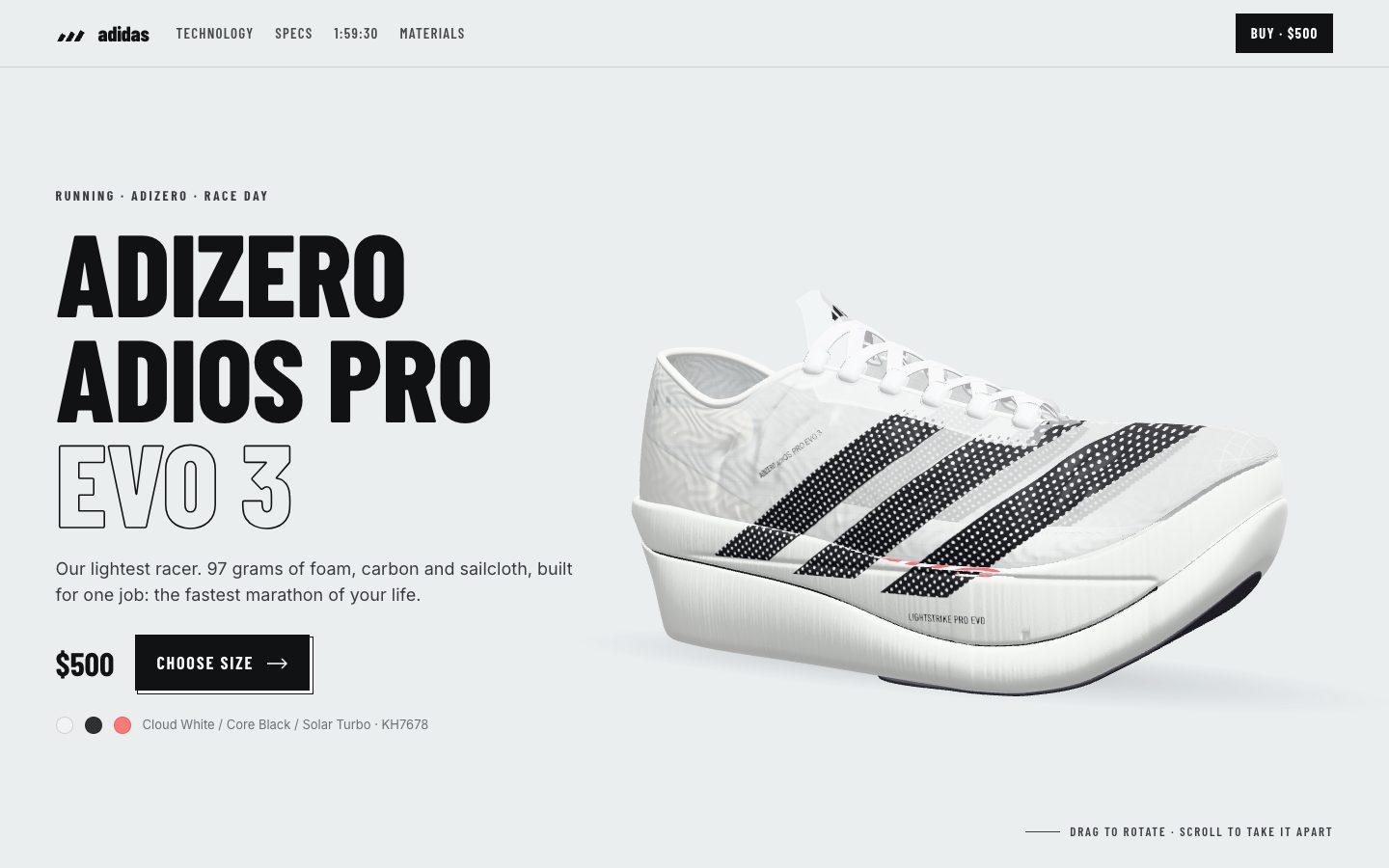
Adizero, made in Blender
A Blender test using the adidas Adizero Adios Pro Evo 3, with a product page for each model's shoe.
- Opus 5.5
- Fable 5.1
- GPT-6 Astra
Built by Pat
I test AI models by building things. Open each model’s version, copy the exact prompt, or watch the test.
58 builds
A Blender test using the adidas Adizero Adios Pro Evo 3, with a product page for each model's shoe.
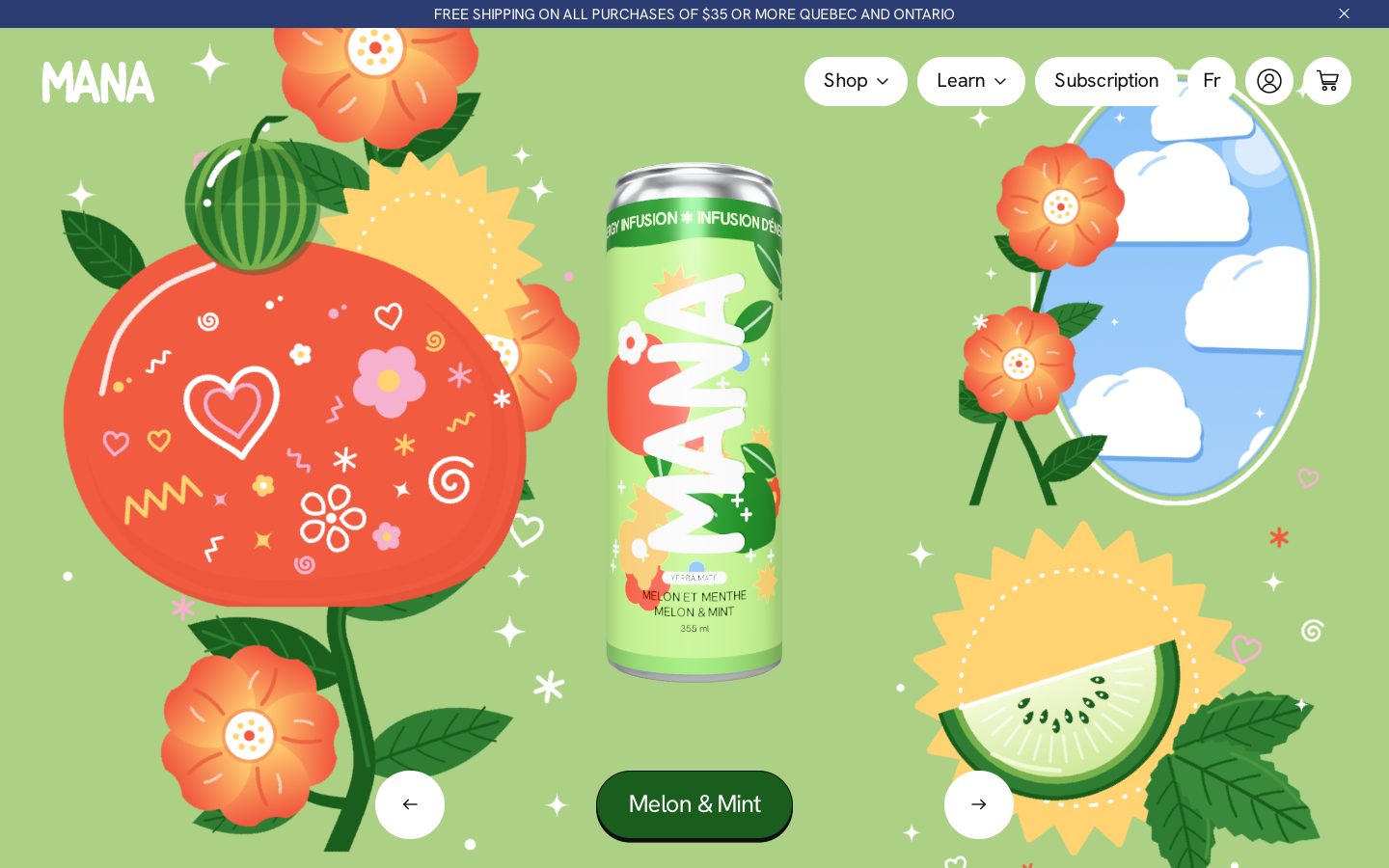
A test of how closely three models could copy Mana Yerba Mate's moving product page.
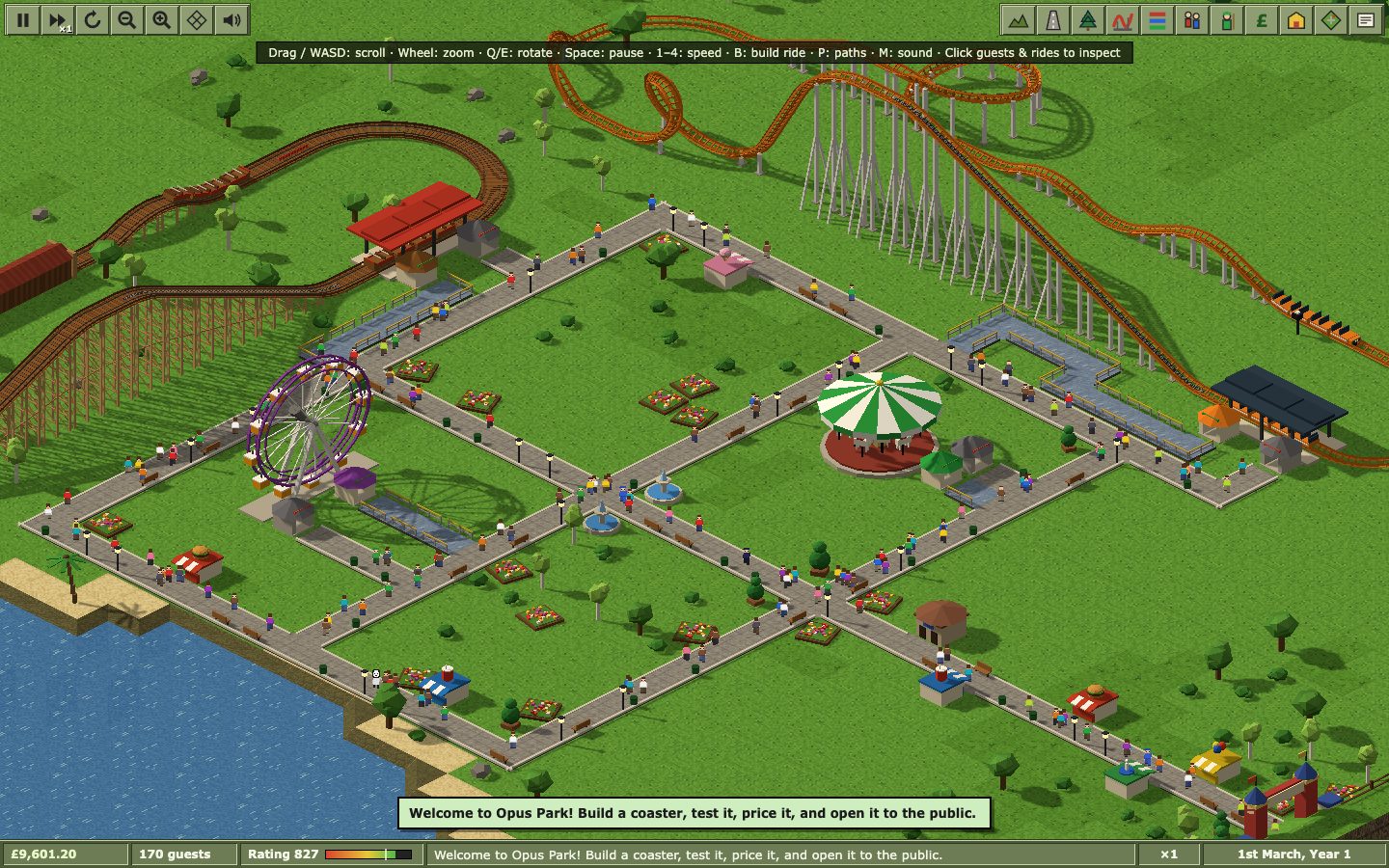
Three browser versions of RollerCoaster Tycoon 2, with a brief covering track building, ride testing and paying guests.
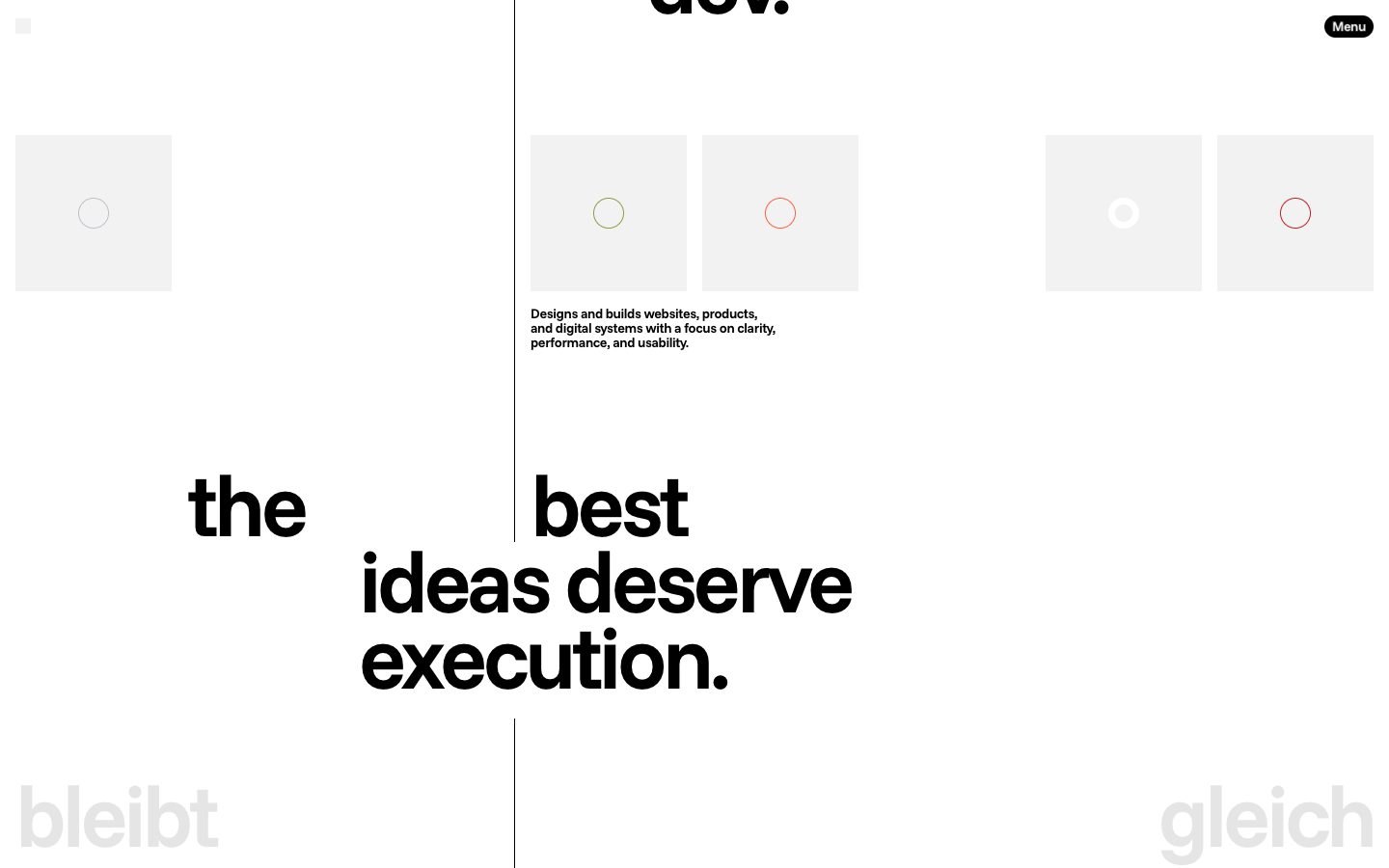
Each model chose an Awwwards winner to copy, so this test compared their website choices as well as the finished pages.
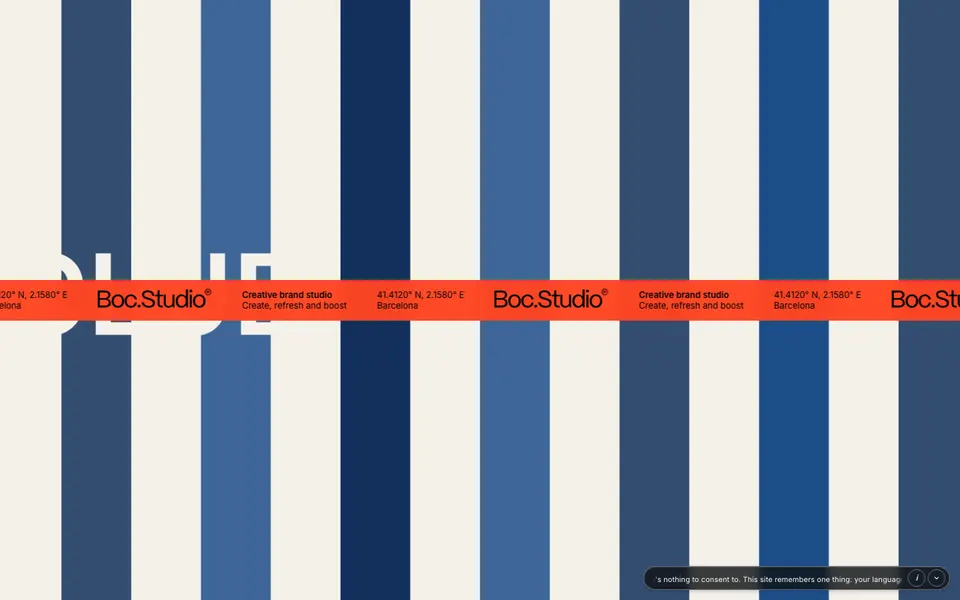
A pixel-for-pixel rebuild of an Awwwards winning site that the model picks for itself.
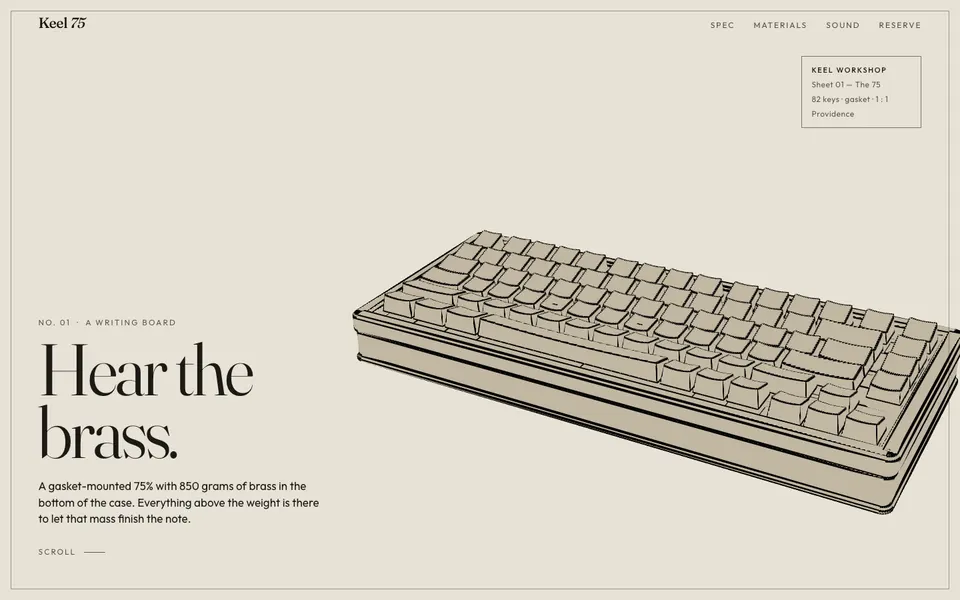
A product page for a mechanical keyboard whose 3D centerpiece is built in code and driven by scroll.
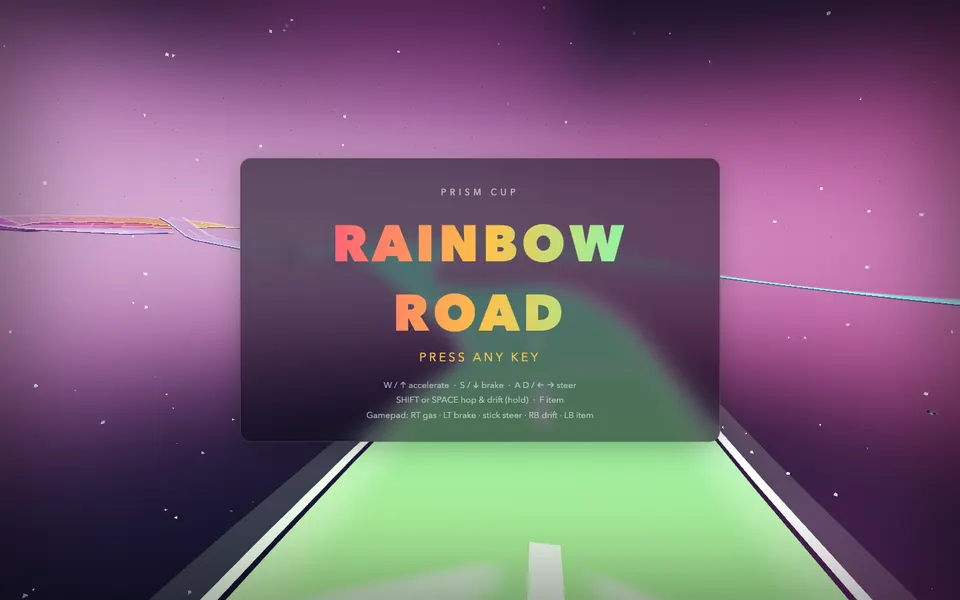
A playable browser clone of Rainbow Road using Mario Kart 8's drift and item mechanics.
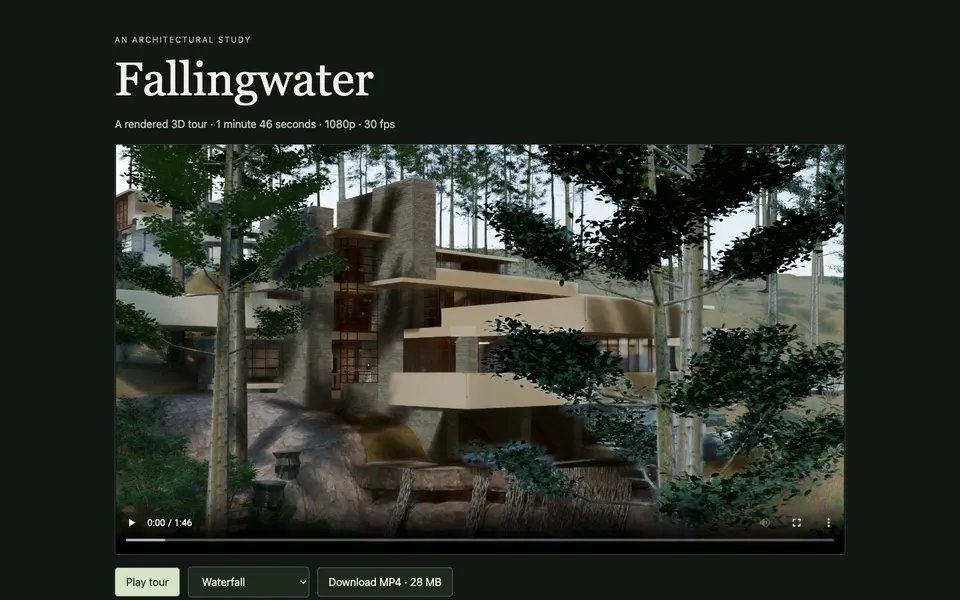
I gave GPT-6 Astra control of Blender, the free 3D modelling software, and asked it to build three things: a flythrough of Frank Lloyd Wright's Fallingwater, the room I am sitting in right now, and a 3D model of the NEO humanoid robot embedded in a web page. You do not need to know how to code or anything about Blender to do this. Neither do I. The setup takes five minutes; the three builds took 54 hours of unattended compute and $1,771.61 in tokens. Below are the prompts, the results, and everything that broke.
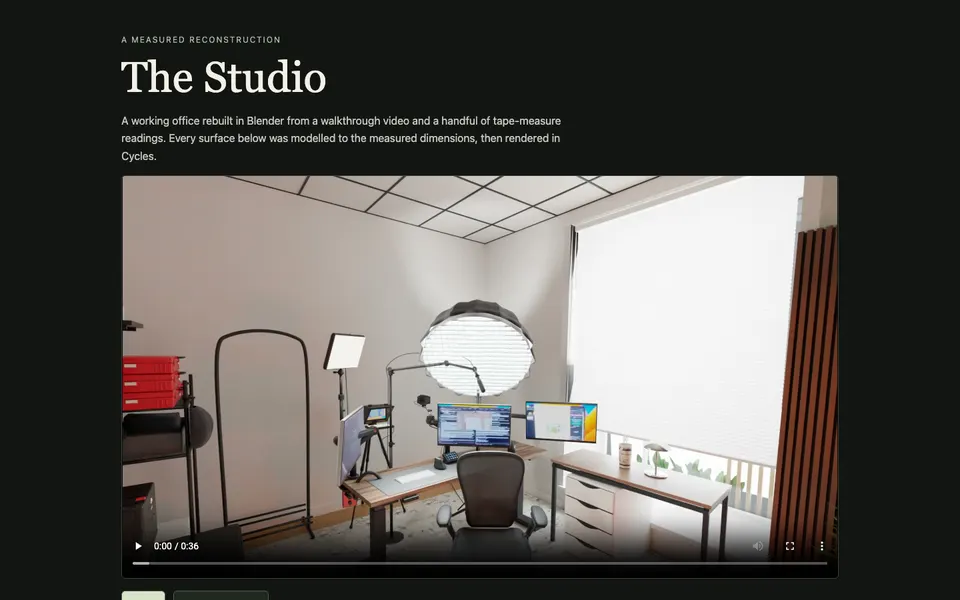
From “I Gave GPT 6 Astra Blender Access (The Results Are INSANE)”
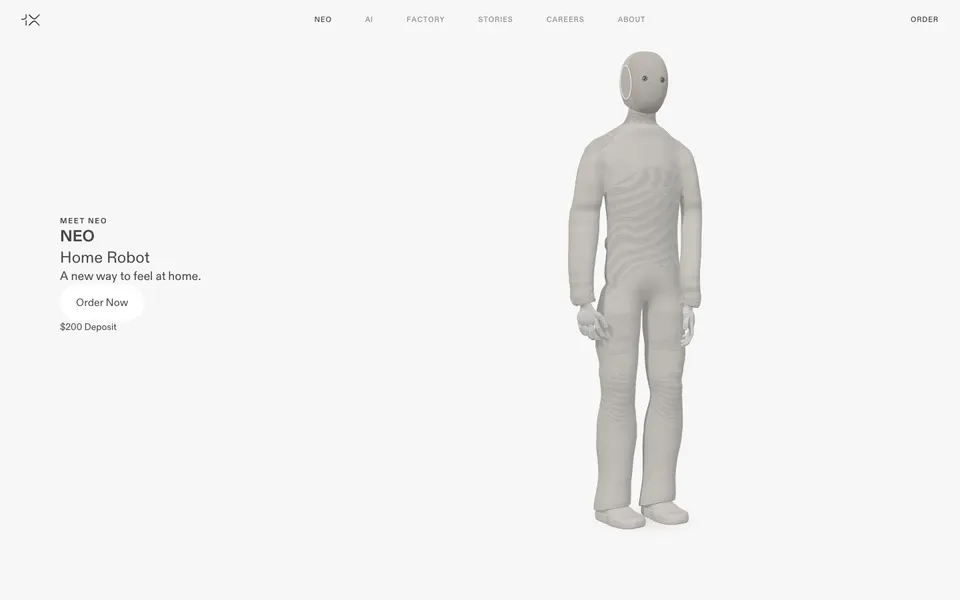
From “I Gave GPT 6 Astra Blender Access (The Results Are INSANE)”
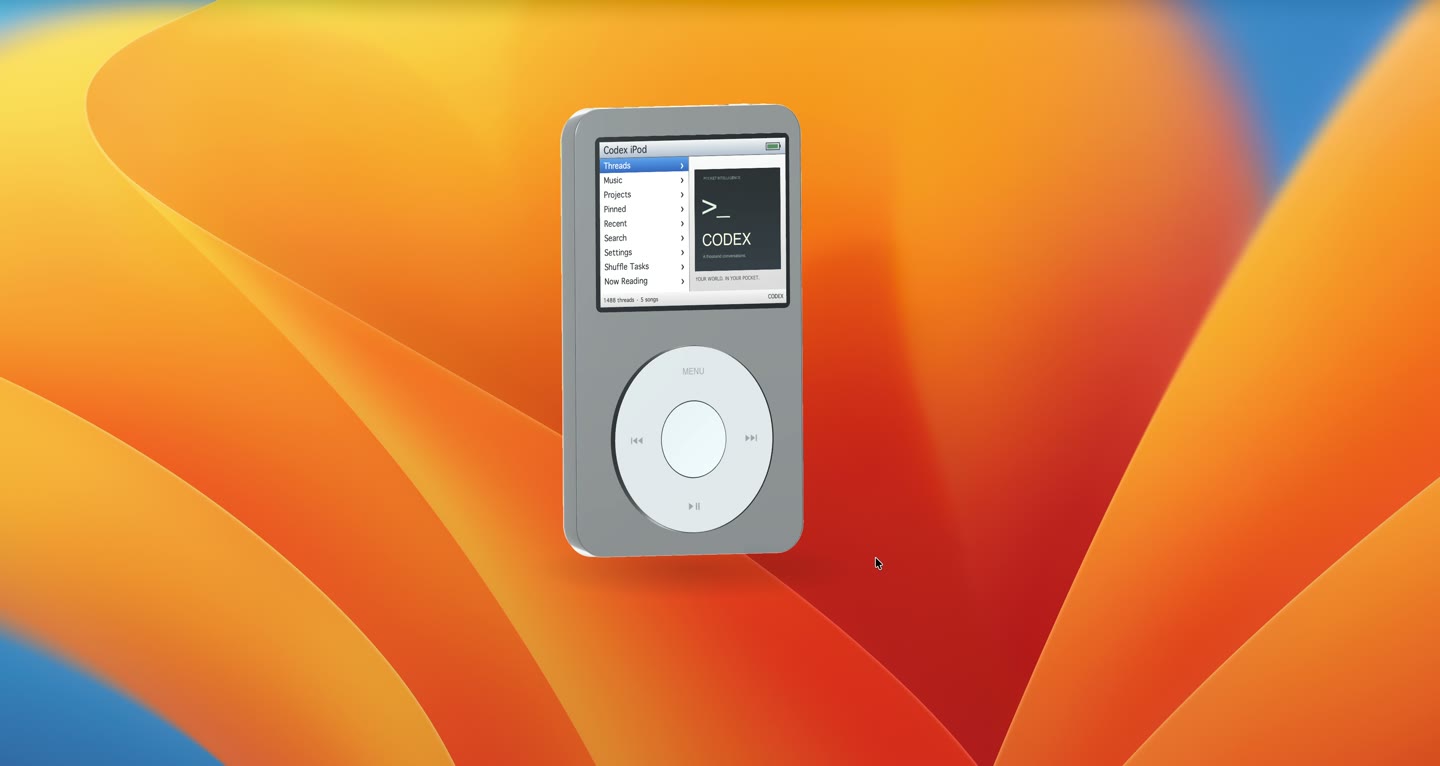
GPT-6 Astra and Fable 5.1 built desktop iPods with click-wheel controls and songs generated to sound like the early 2000s.
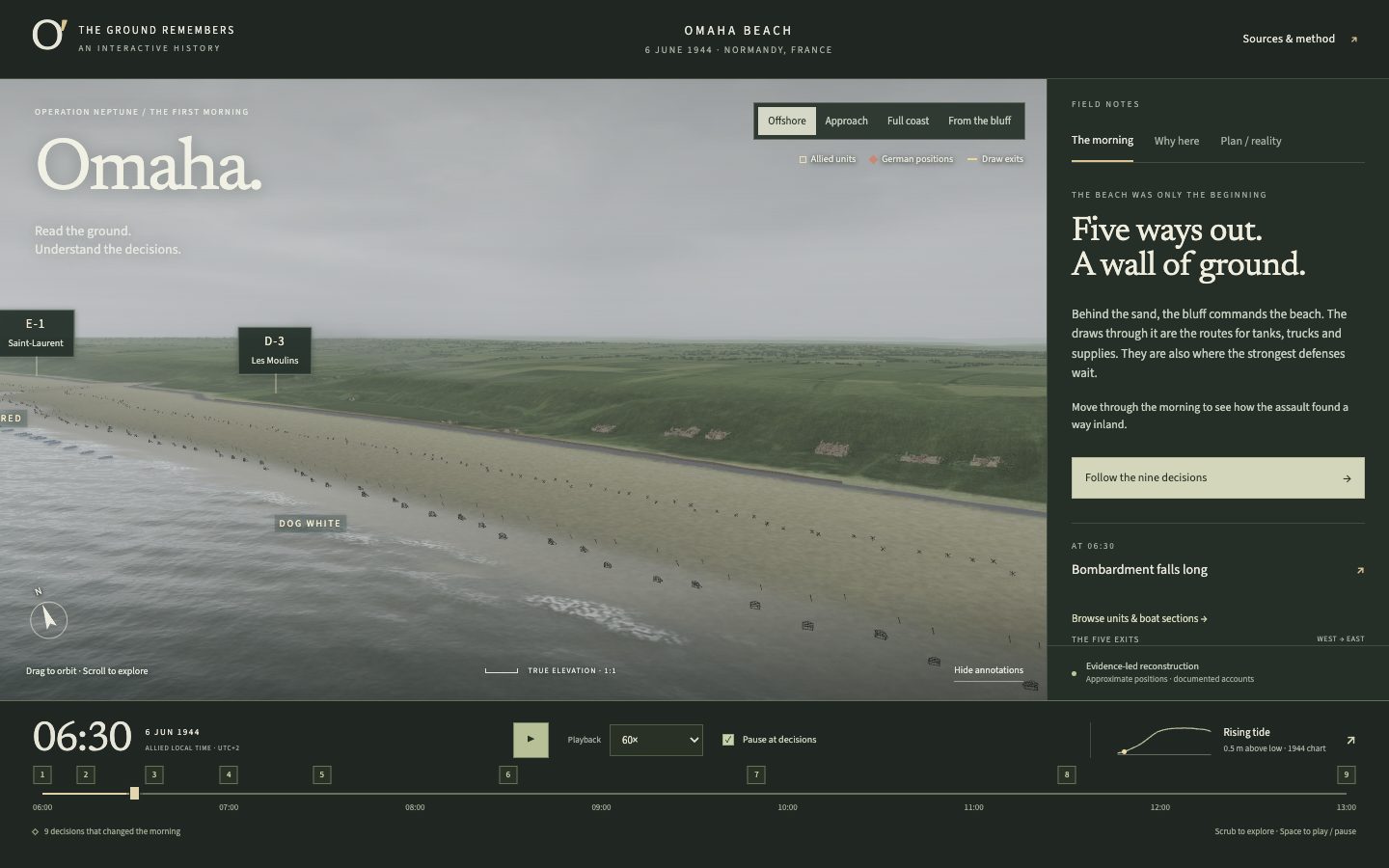
Two attempts to recreate D-Day at Omaha Beach in 3D, with a timeline for watching the battle unfold.
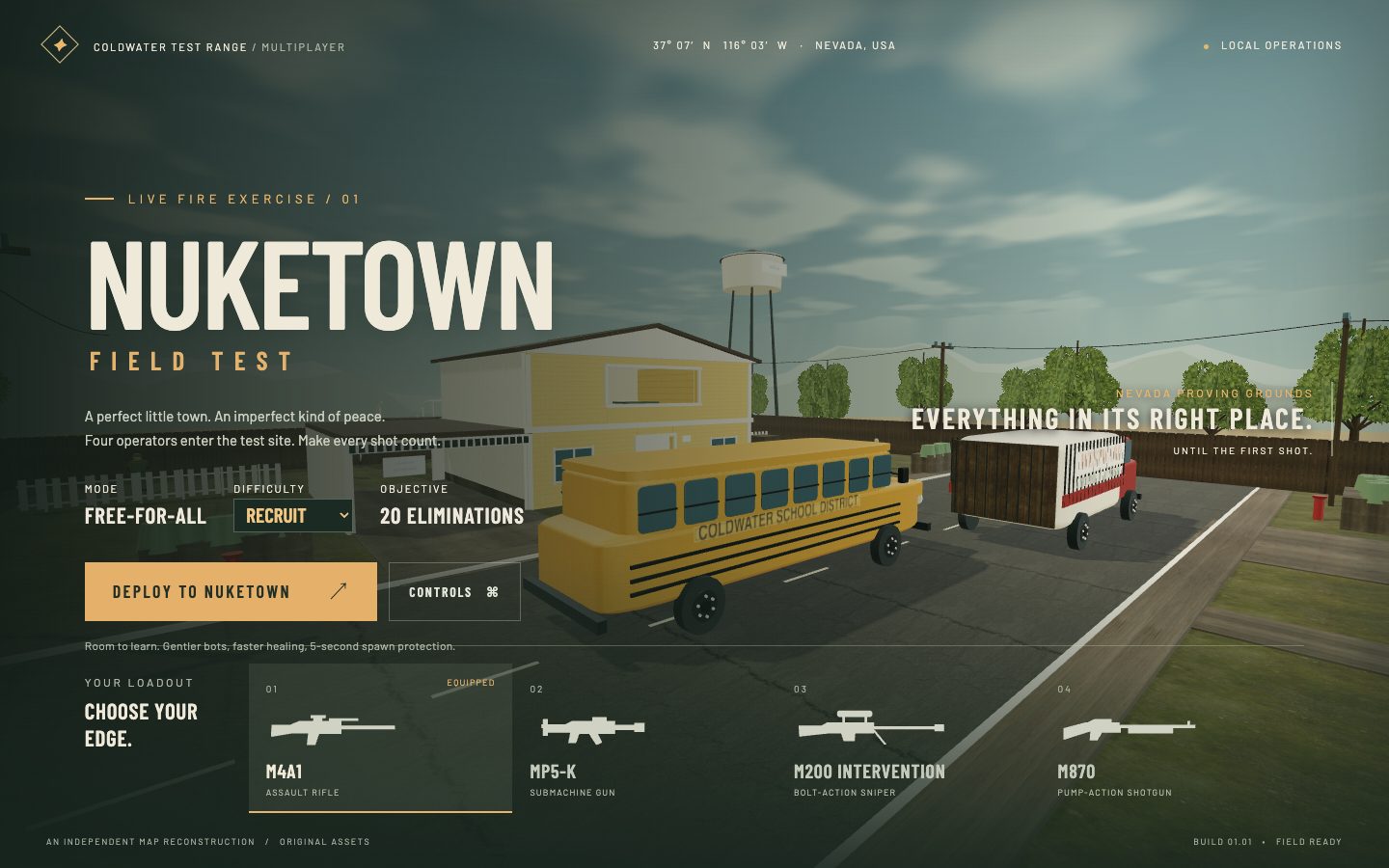
A browser shooter test on Nuketown, with GPT-6 Astra and Fable 5.1 building the same map.
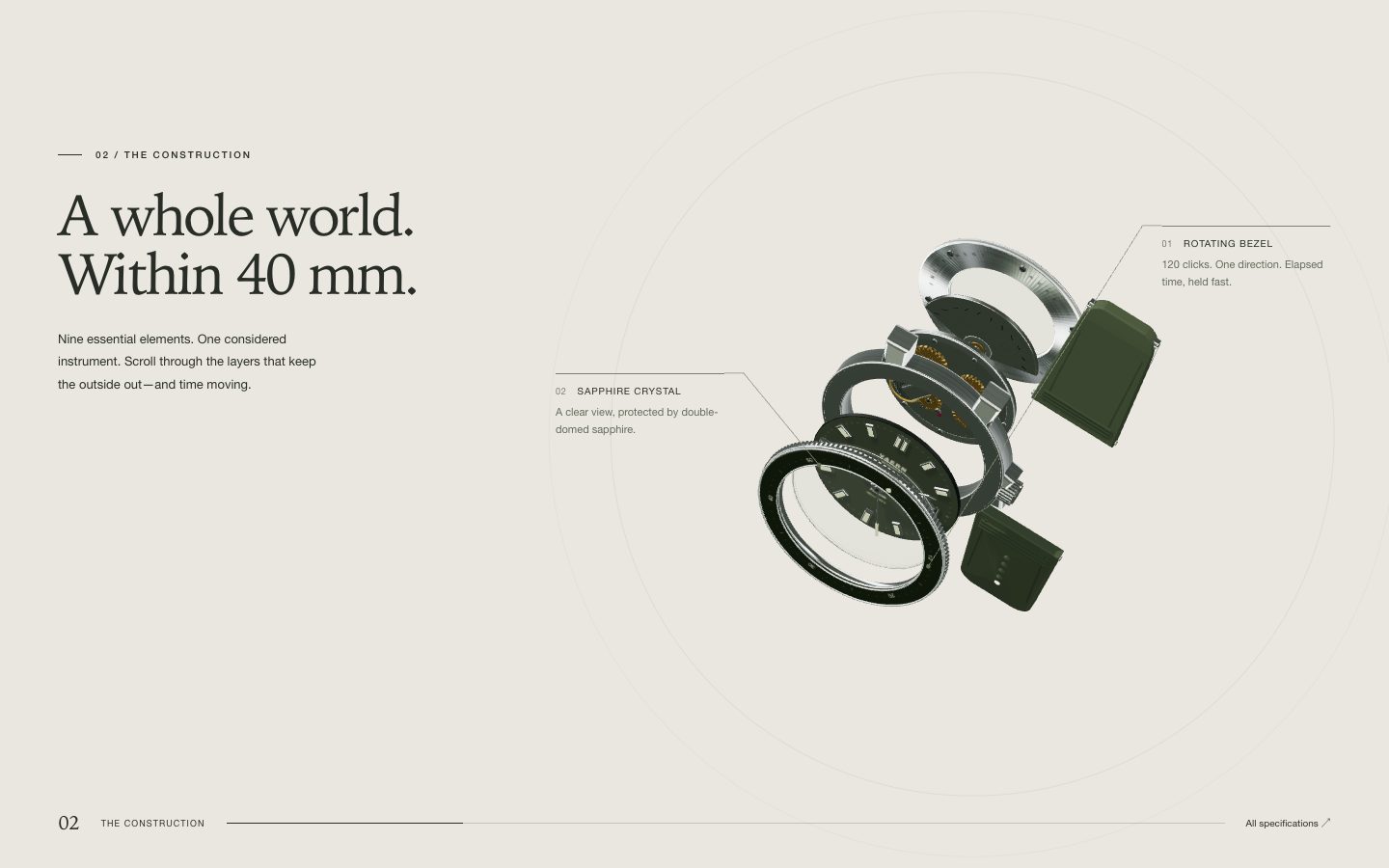
A product-page test where scrolling was meant to take a 3D dive watch apart and put it back together.
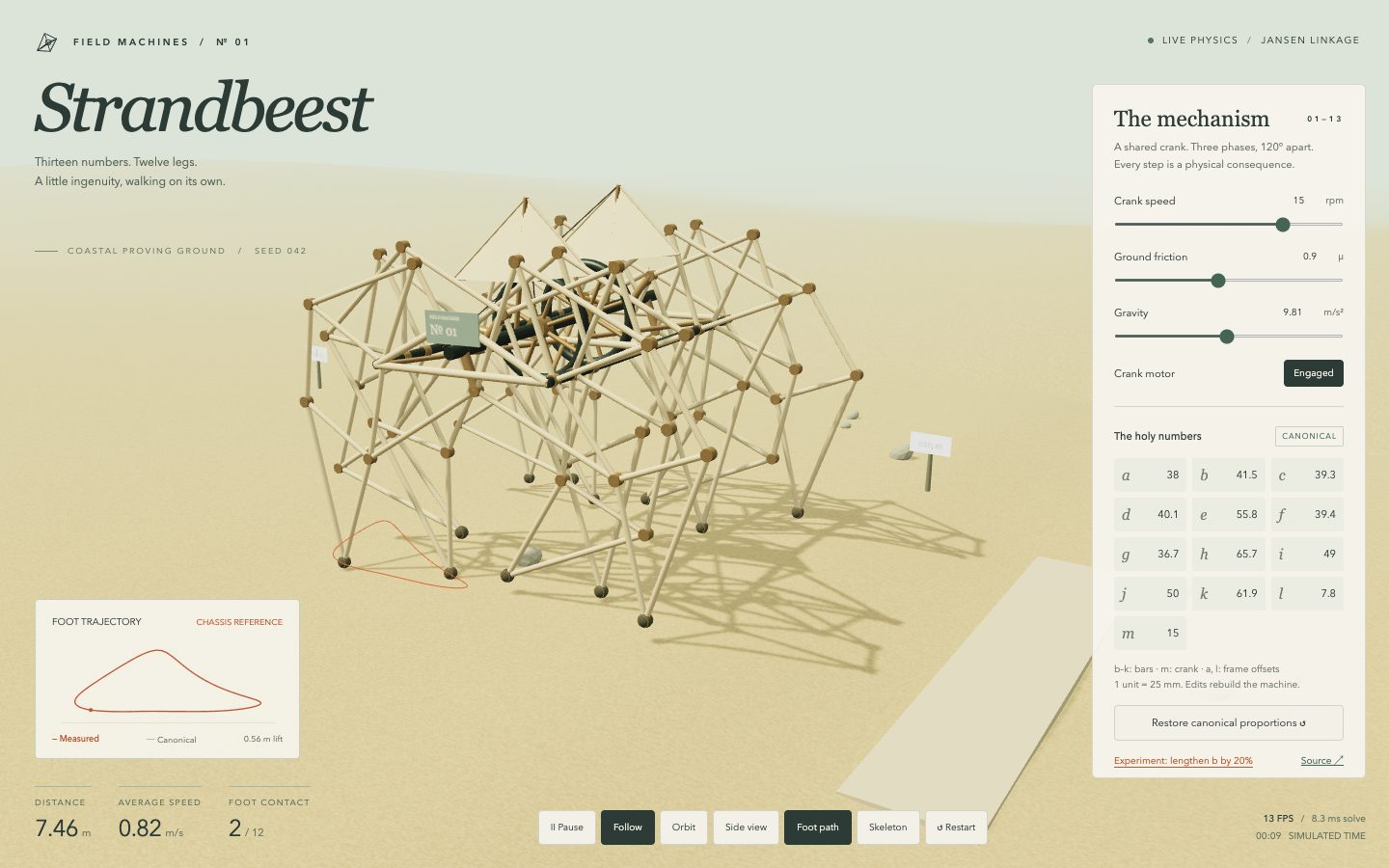
A 3D walking-machine test based on Theo Jansen's Strandbeest, with adjustable legs, gravity and ground friction.
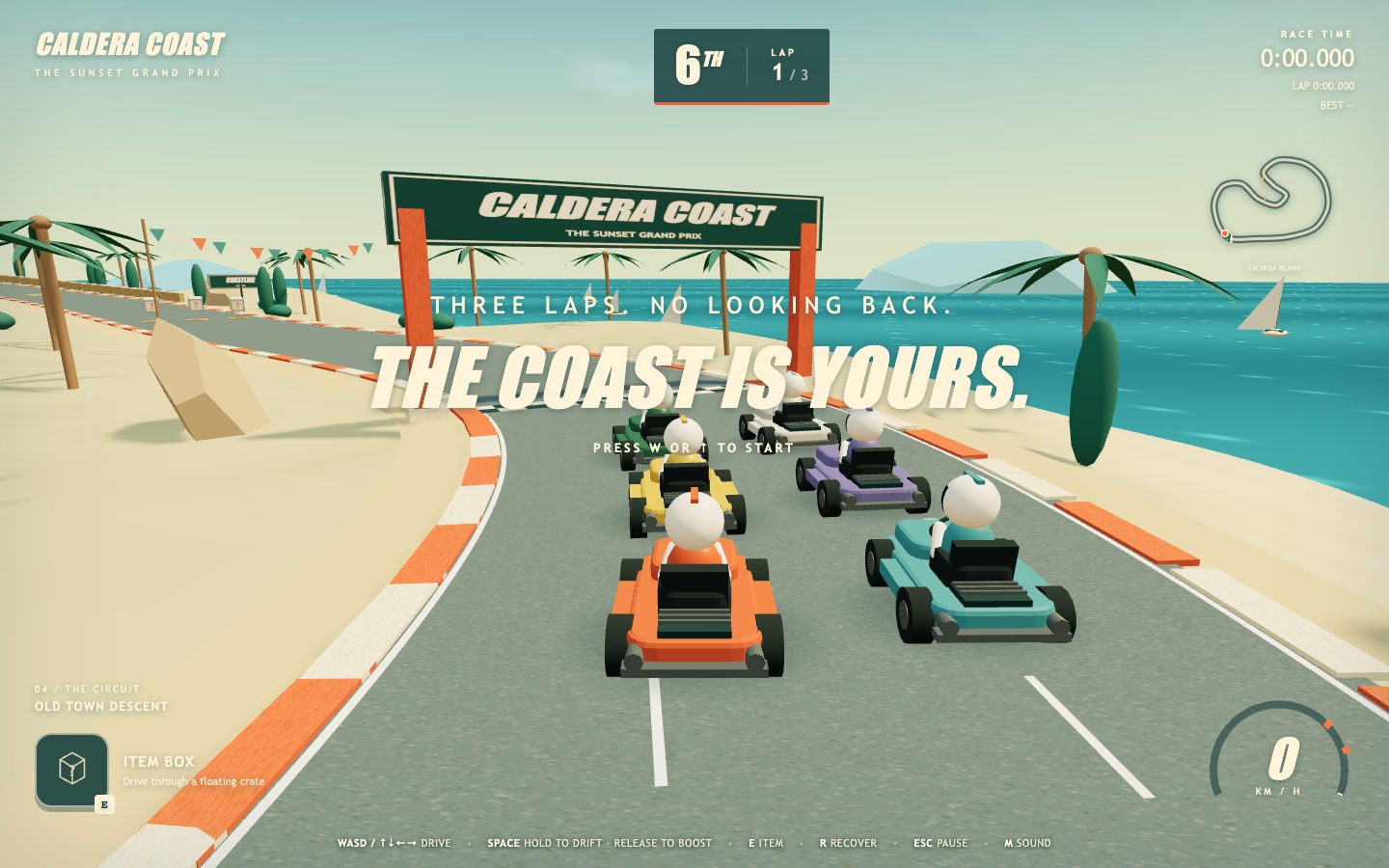
Fable 5.1, GPT-6 Astra and GPT-5.6 Sol built browser kart racers from the same prompt.
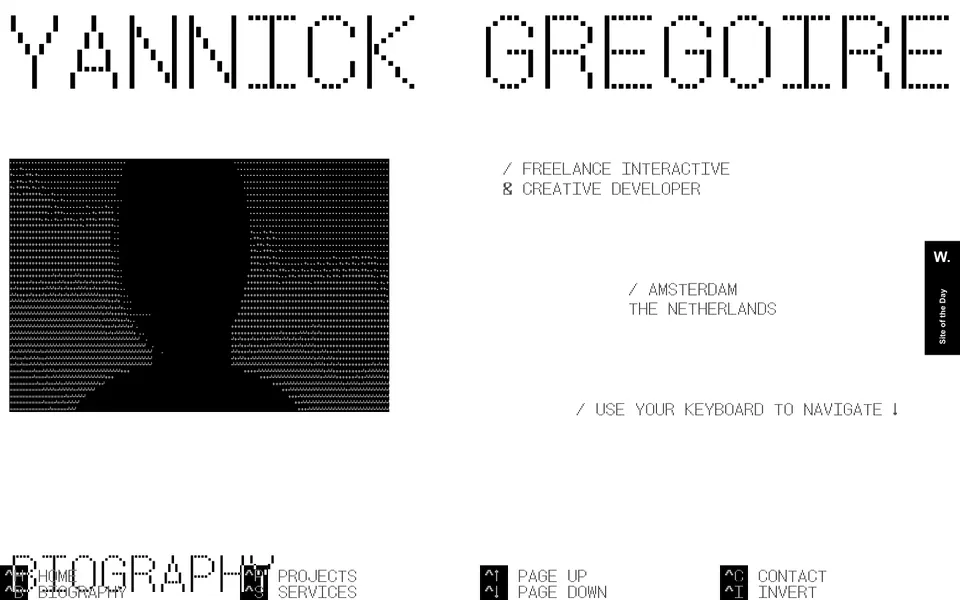
Each model picked its own award-winning site, read the real computed styles off the live page, and rebuilt from those values until every assertion passed.
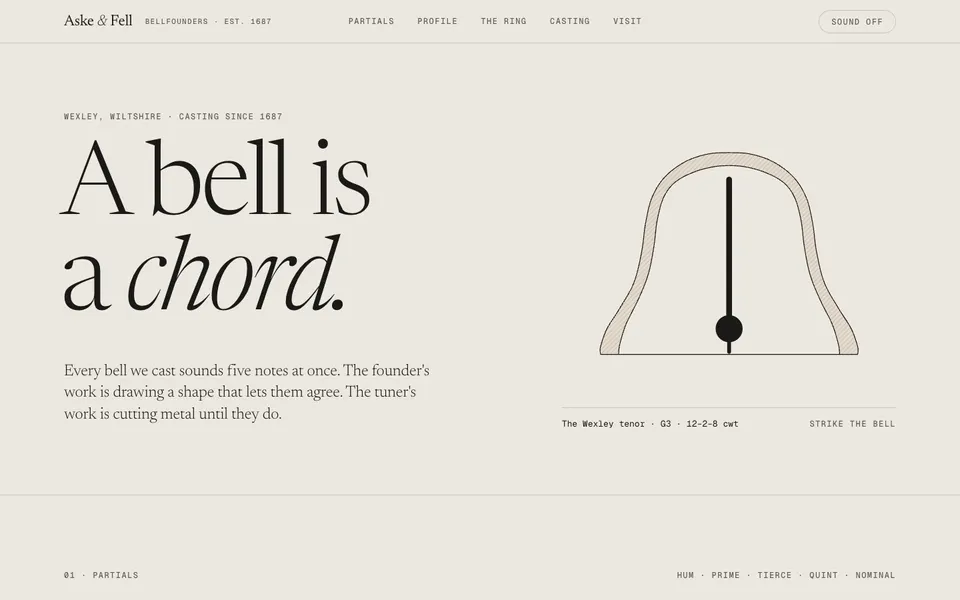
A website of their choosing, built to show off design and taste.
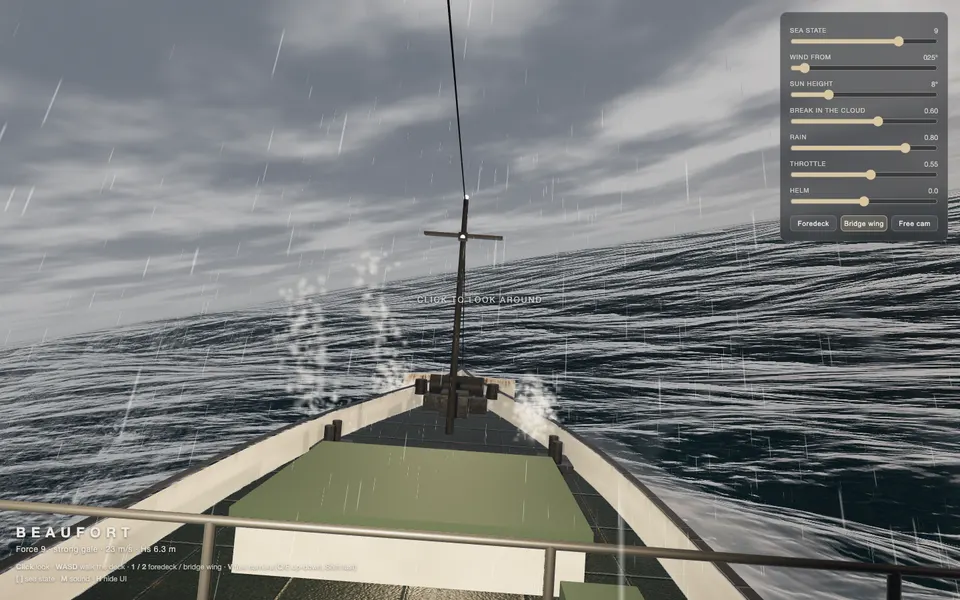
A real-time, interactive 3D place of their choosing — something you're inside of, not an object in a void.
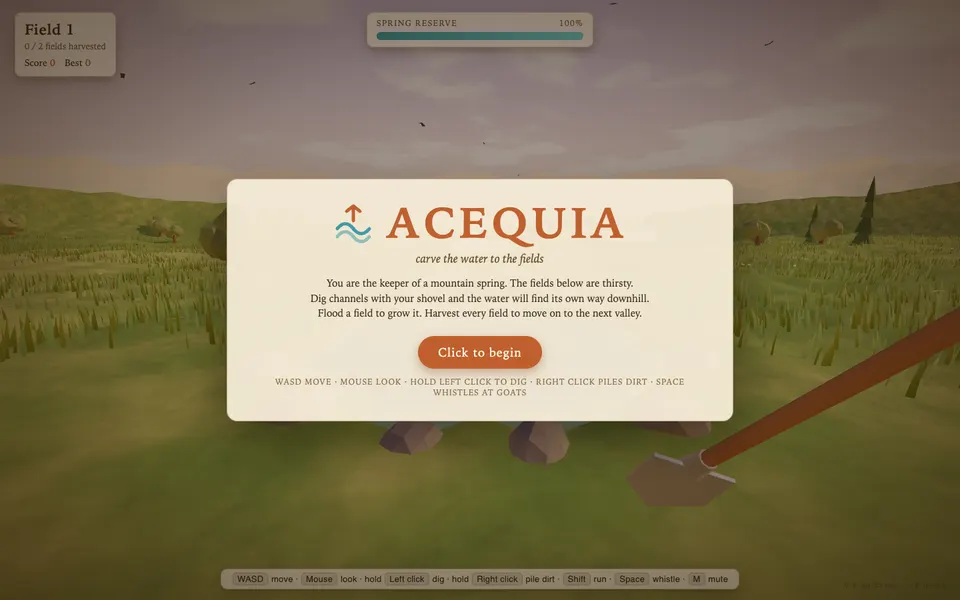
A playable browser game of their choosing, with the obvious genres ruled out.
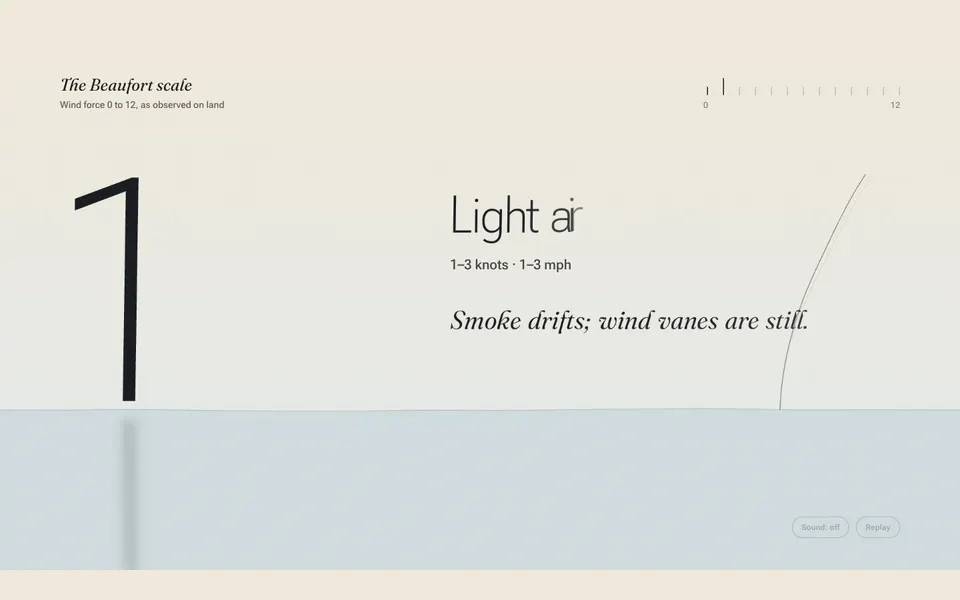
A short motion graphics piece about a real subject — no title sequences.
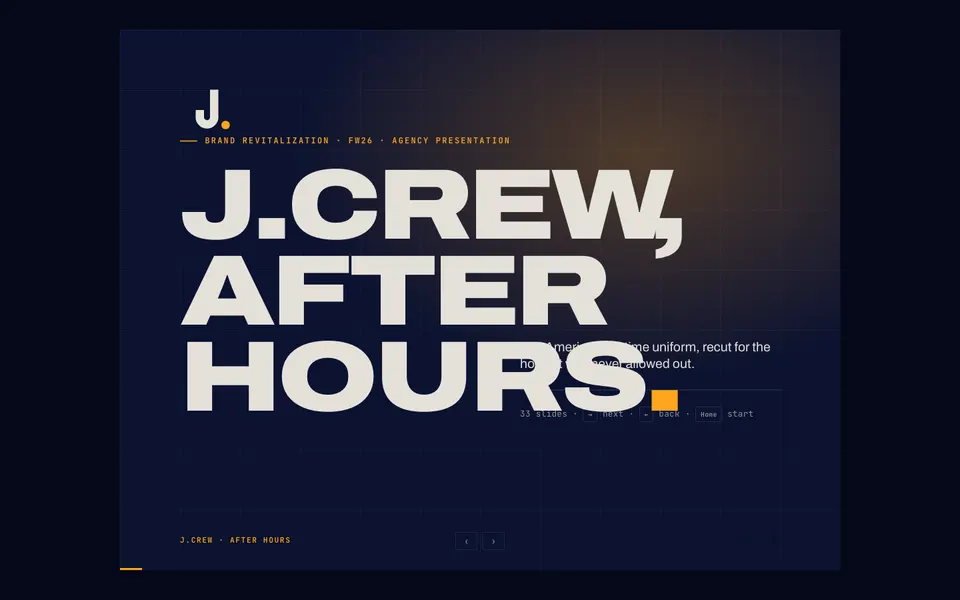
A full brand relaunch delivered as an agency pitch deck, collection and all.
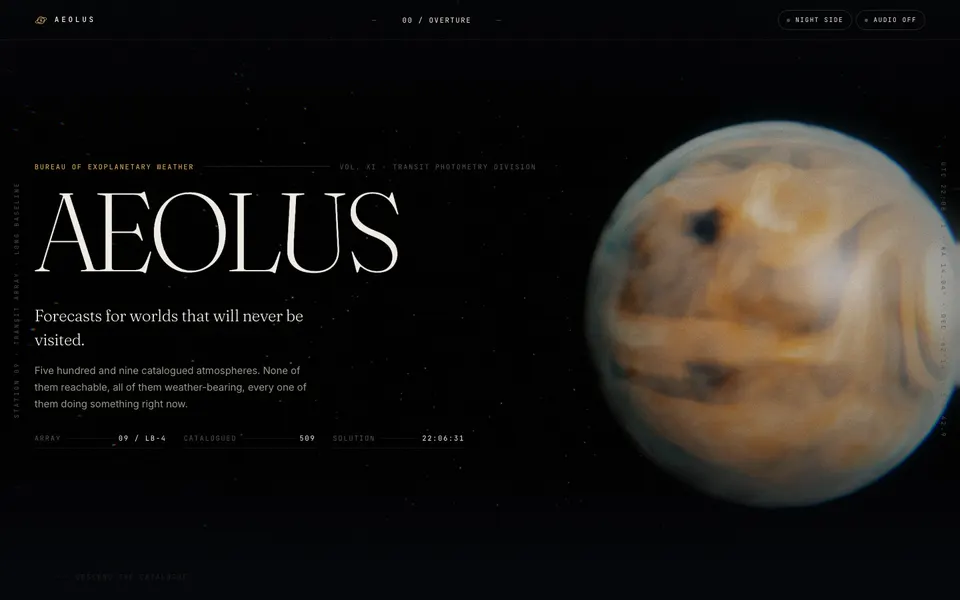
A website of their choosing, built to show off design and taste.
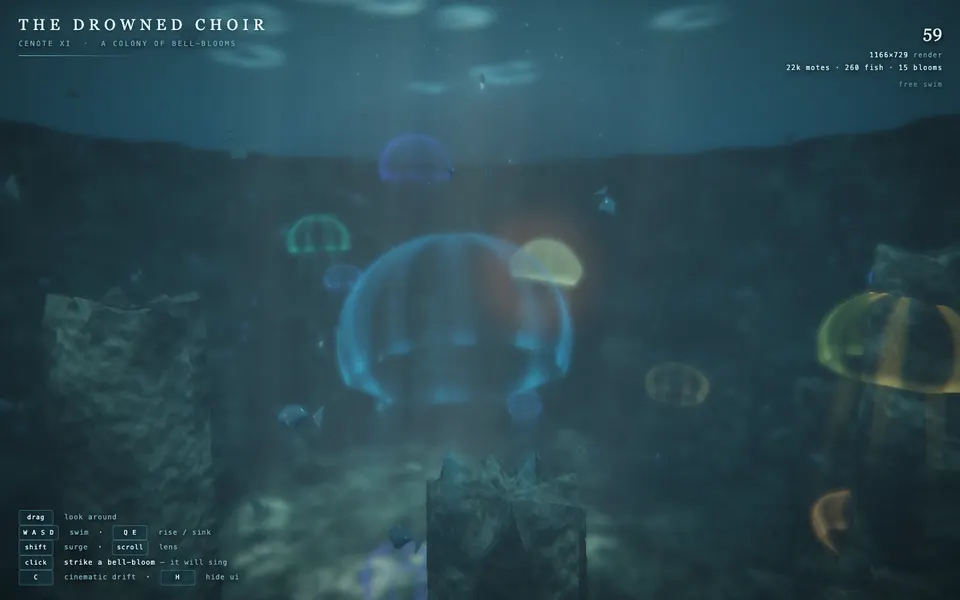
A real-time, interactive 3D scene of their choosing.
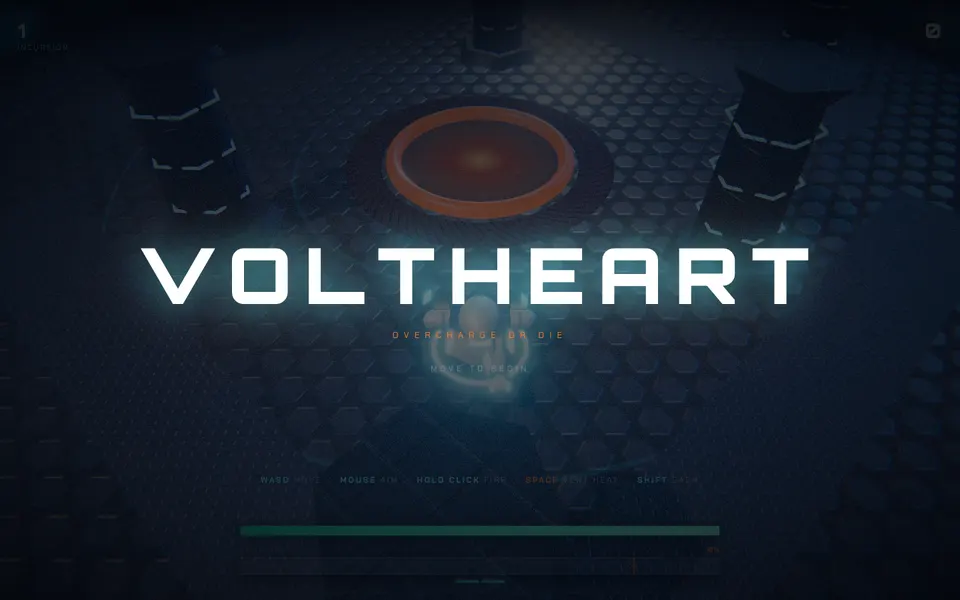
A playable browser game of their choosing.
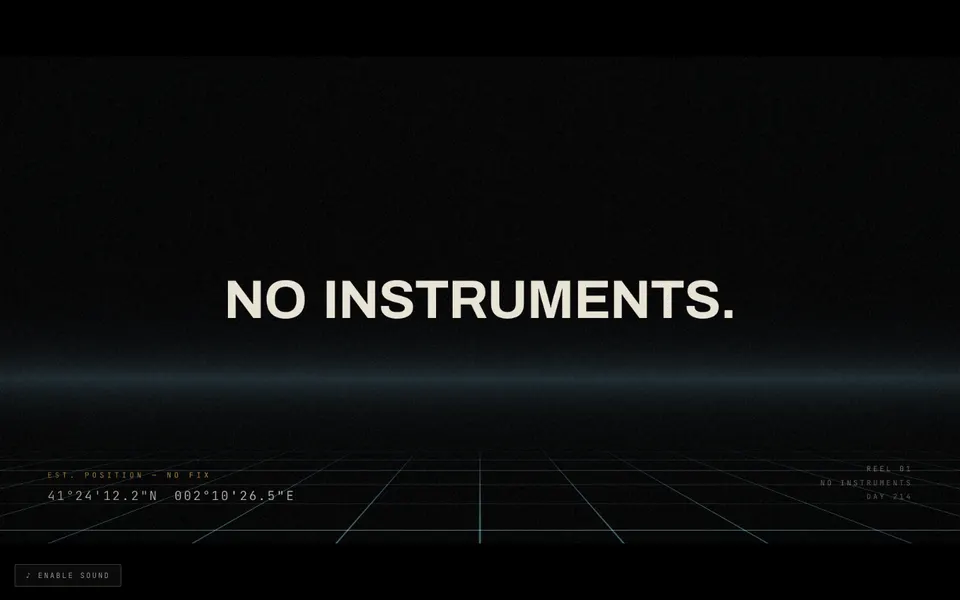
A short motion graphics piece of their choosing.
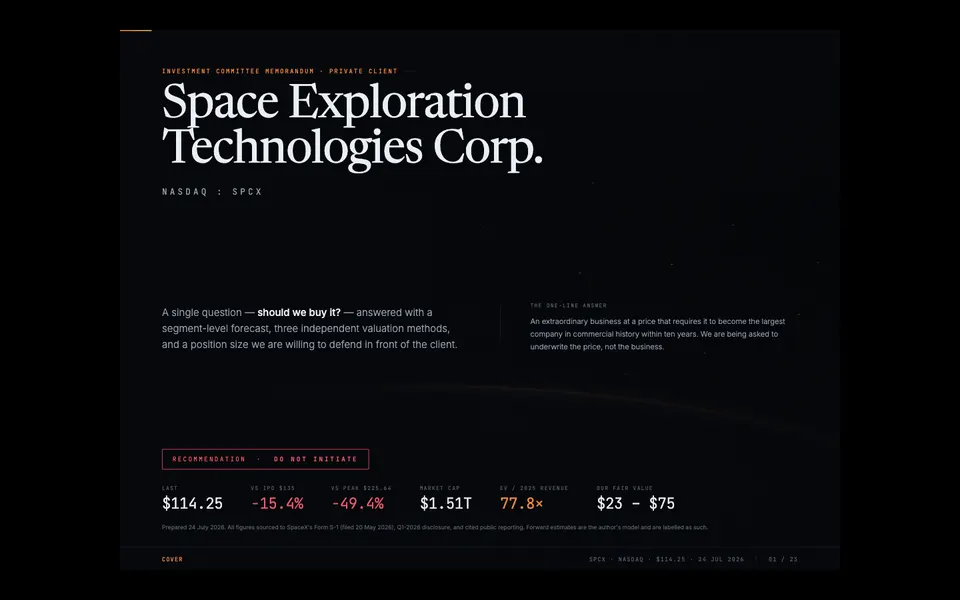
A private wealth deck answering one question: should you buy SpaceX?
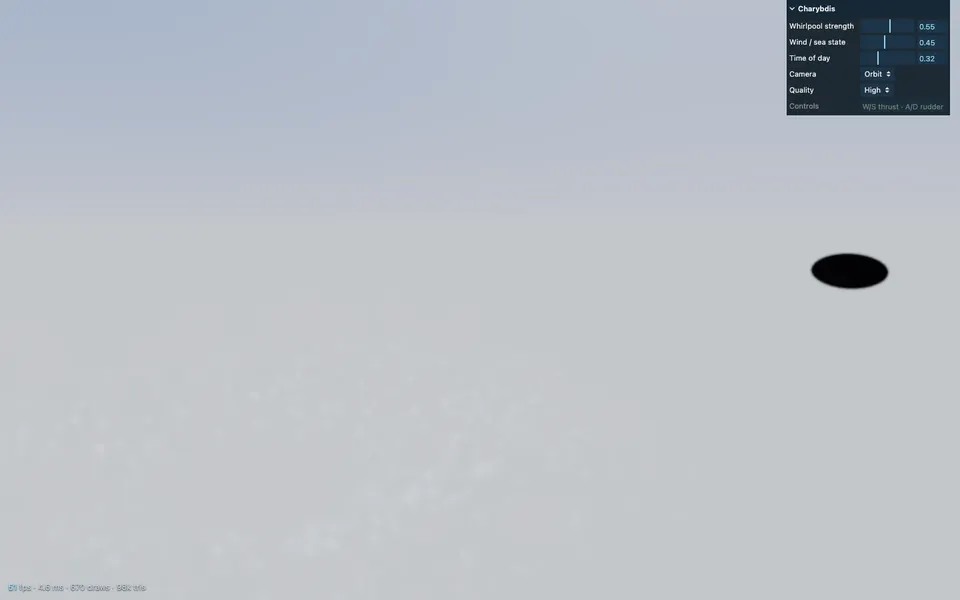
A real-time ocean + whirlpool (Charybdis) from the Odyssey, everything drawn in code.
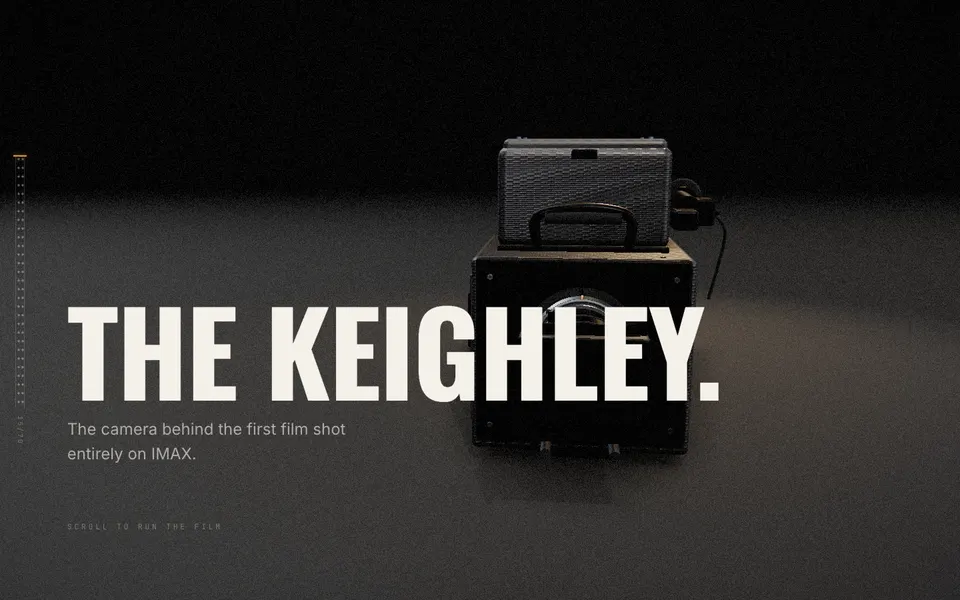
A scroll-driven photoreal 3D site built around the real IMAX Keighley camera, with an interactive shoot-the-scene finale.
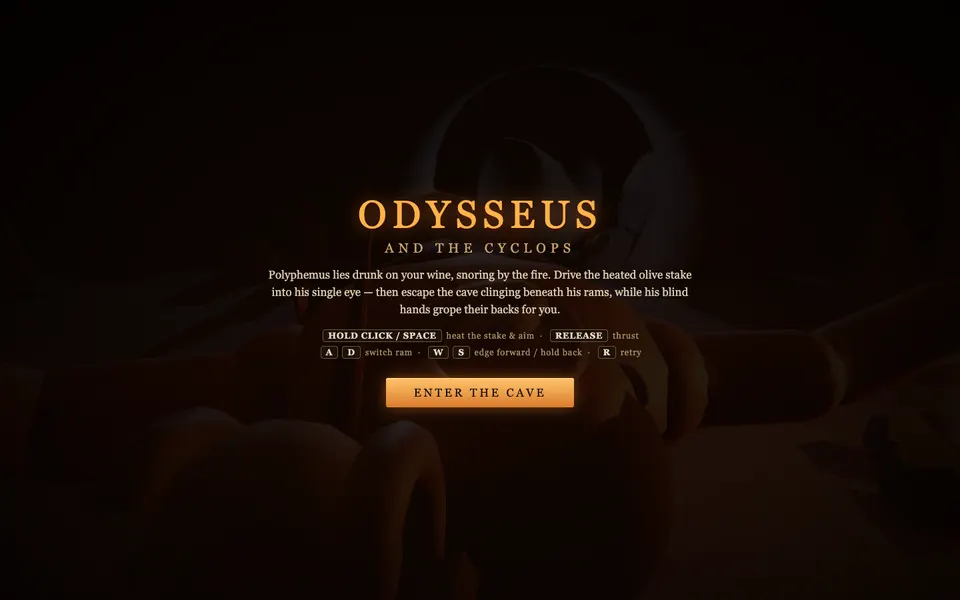
A playable Odyssey game: blind the Cyclops, then escape under the rams.
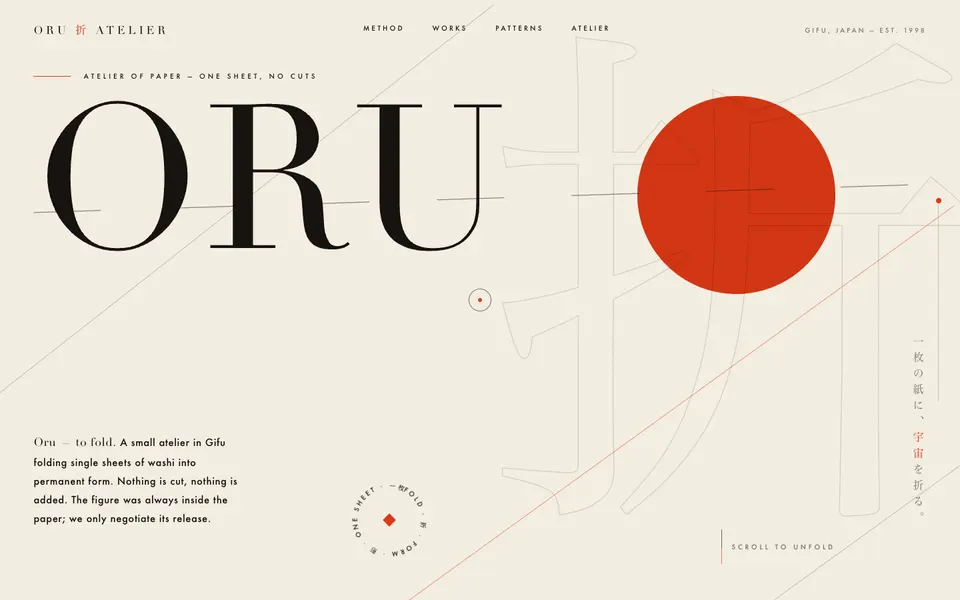
Each model designs an original, award-worthy website, judged on pure taste.
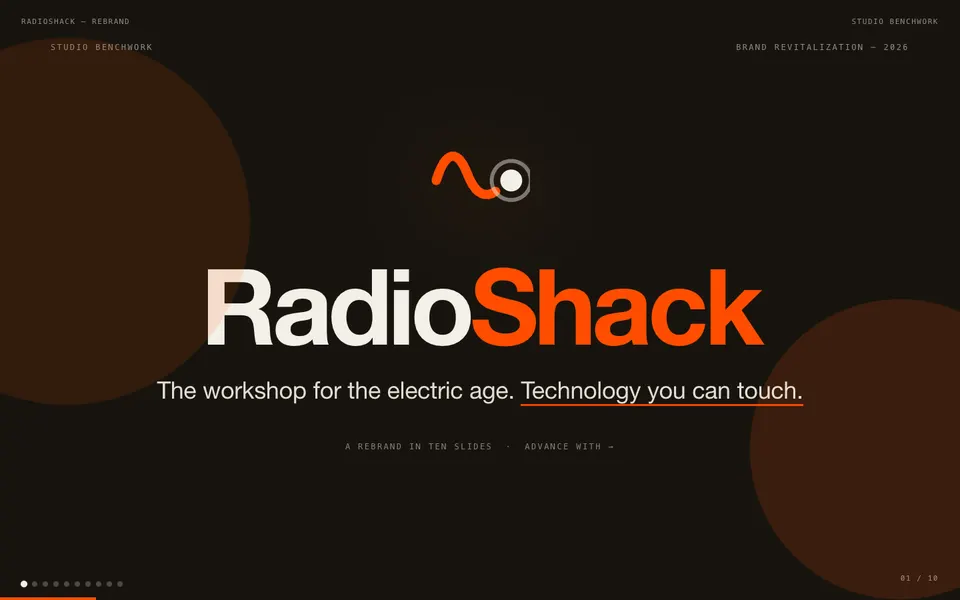
A full RadioShack rebrand delivered as a PowerPoint deck with GPT Image Gen.
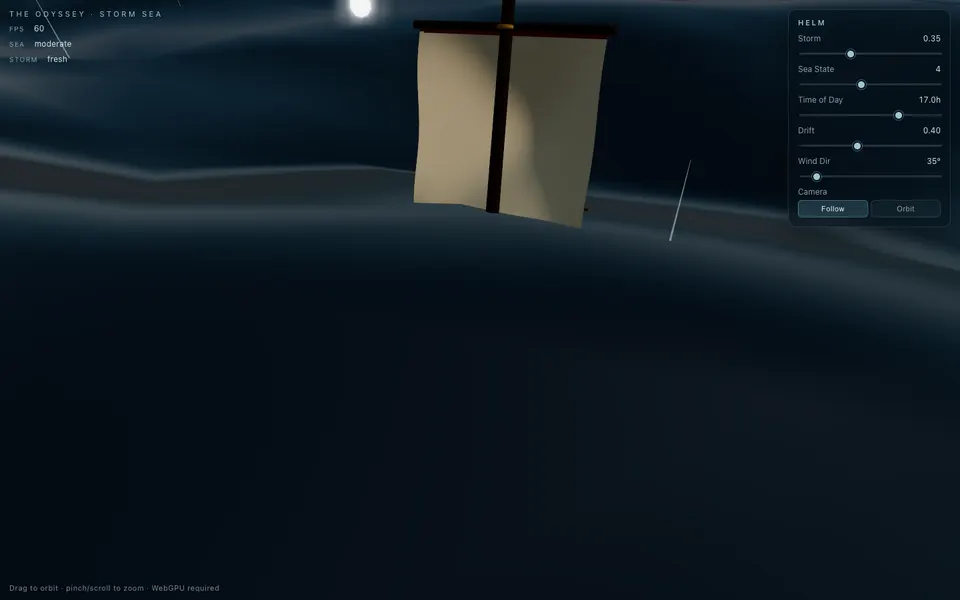
This build is a physically simulated 3D scene in raw WebGPU, built from nothing with no imported models or textures. Everything is drawn in code.
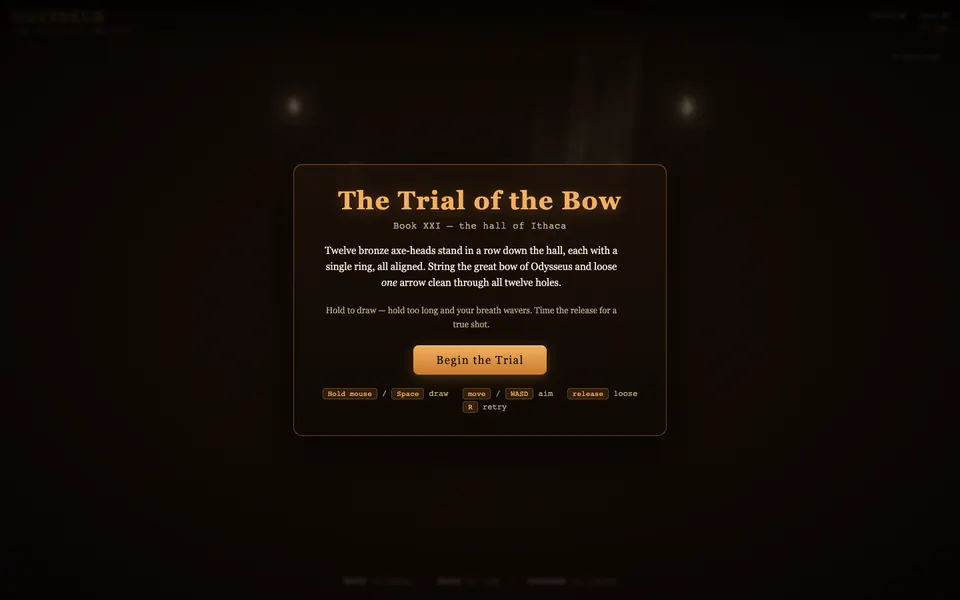
The second heavy build was a playable archery game: draw a real force-draw curve, loose one arrow, and thread it through twelve aligned axe-heads, with swept collision so the fast arrow can't tunnel through the rings. Every bit of it built procedurally in code.
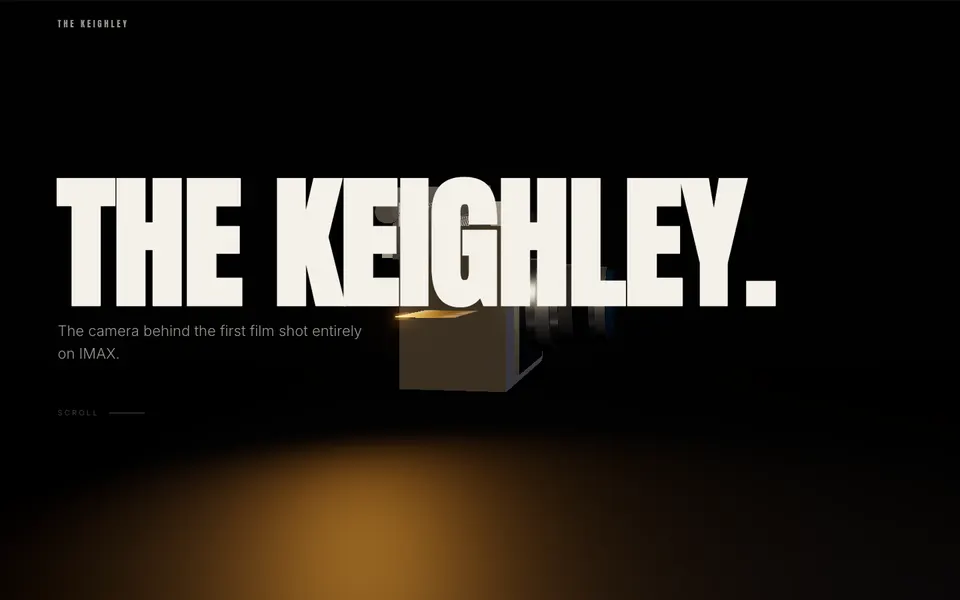
The lightest graphics build (a scroll-driven product site for a film camera that disassembles into an exploded view as you scroll) went to GLM, and cheaply. Here is that prompt:
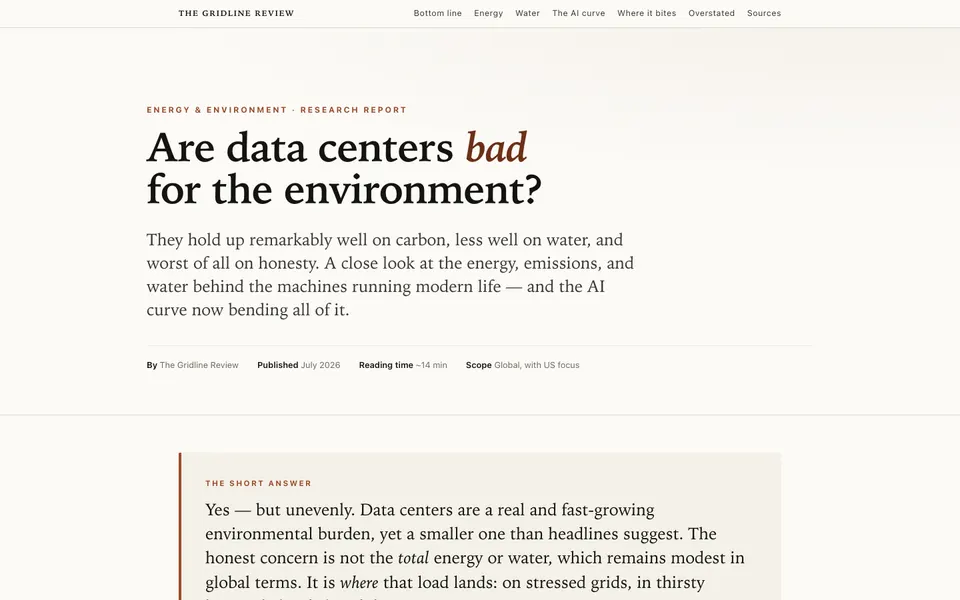
These are the jobs a normal week is made of: research something and write it up, design a page, build a brand. First, a research report (are data centers bad for the environment, with a focus on water use) delivered as a single designed HTML document with self-built charts and a source cited for every number.
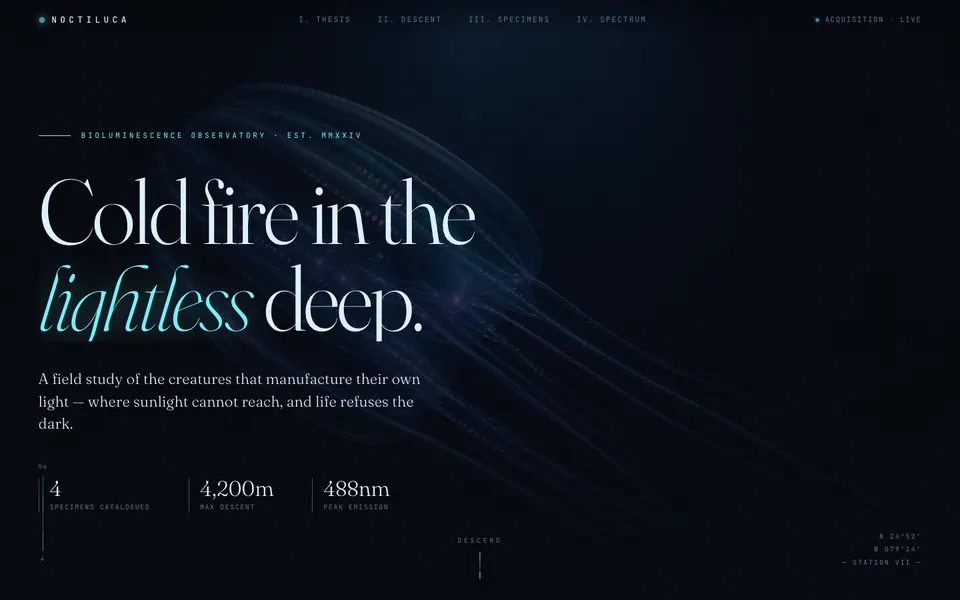
Then a design showcase site, total creative freedom, meant to show off peak taste. Both models, given a blank canvas, independently reached for the deep ocean. GLM made NOCTILUCA, a bioluminescence field study; Kimi made ABYSSAL, a vertical survey of the deep. Here is the prompt:
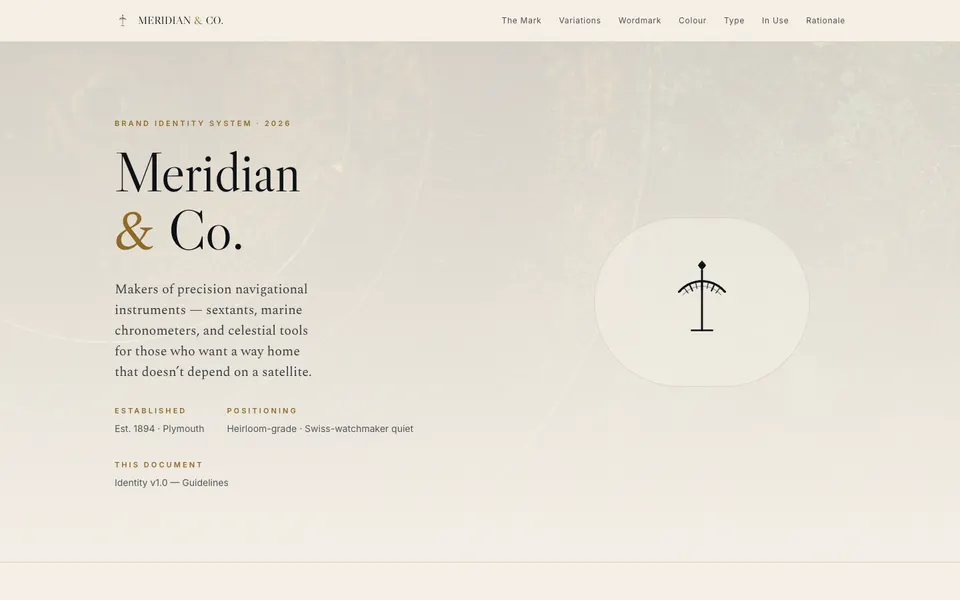
And a full brand identity system for a maker of precision navigational instruments, with the logo drawn in code as real SVG, plus palette, type, and applied mockups.
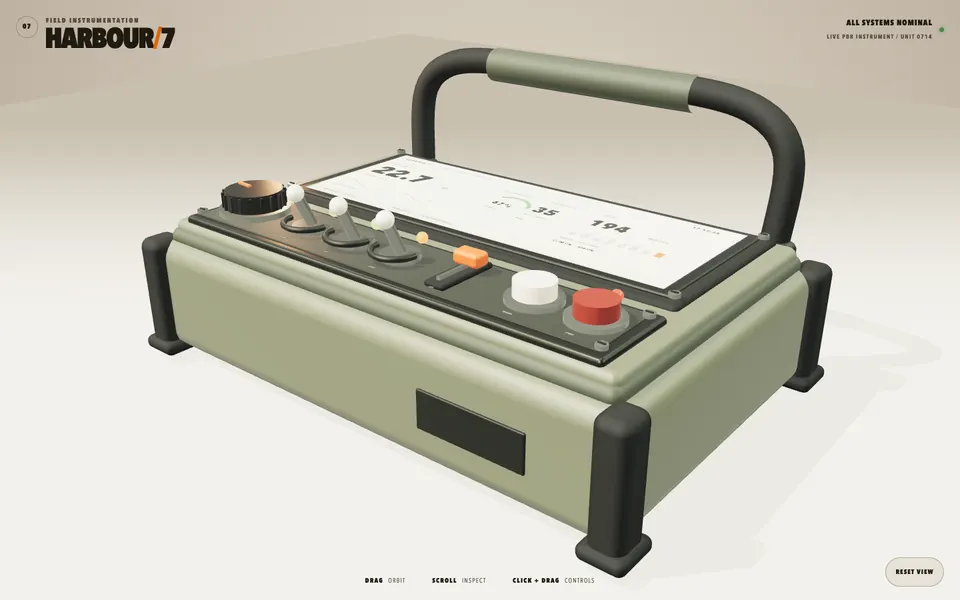
From “Kimi K3 Is Here! (Better Than Opus 4.8?)”
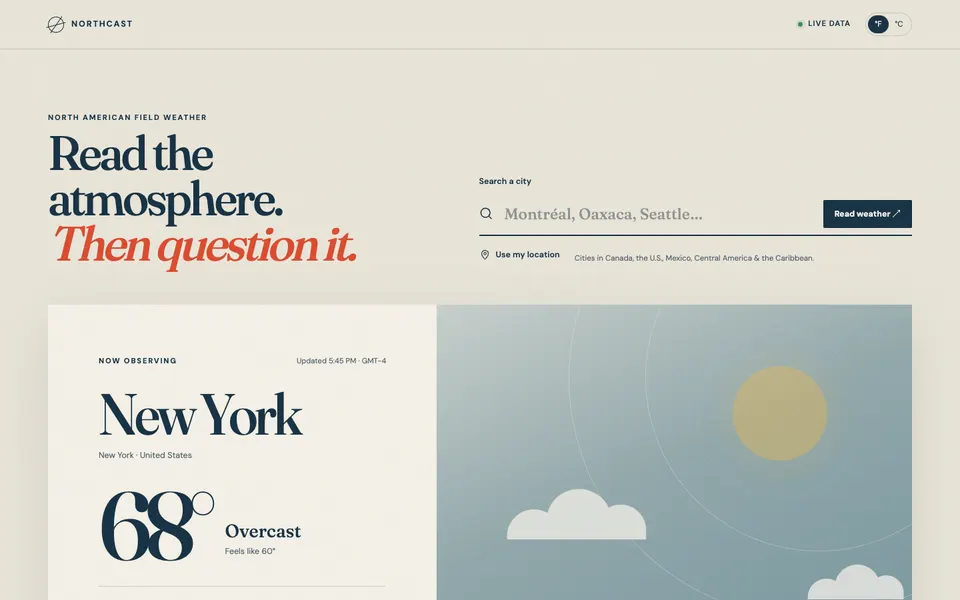
From “Kimi K3 Is Here! (Better Than Opus 4.8?)”
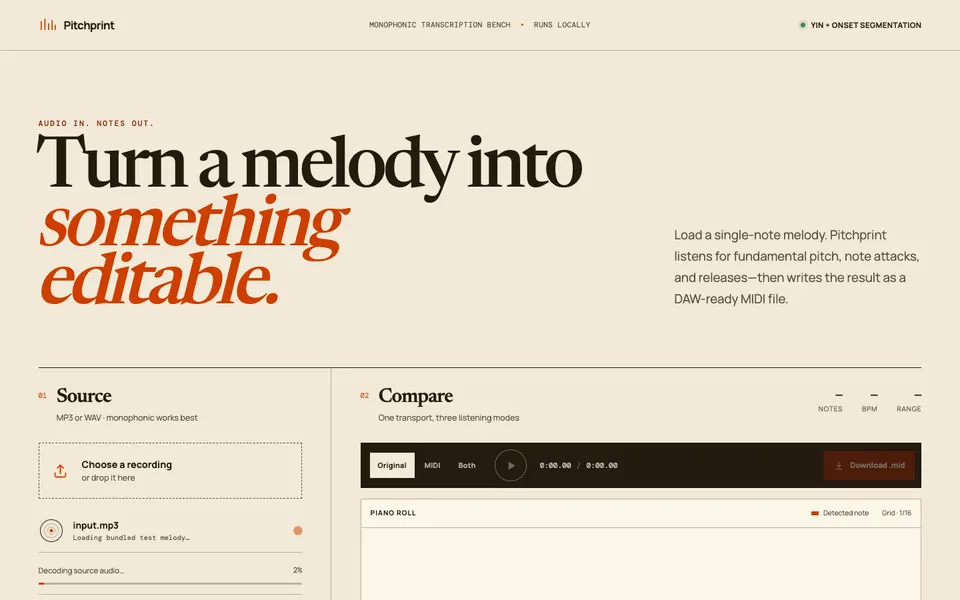
From “Kimi K3 Is Here! (Better Than Opus 4.8?)”
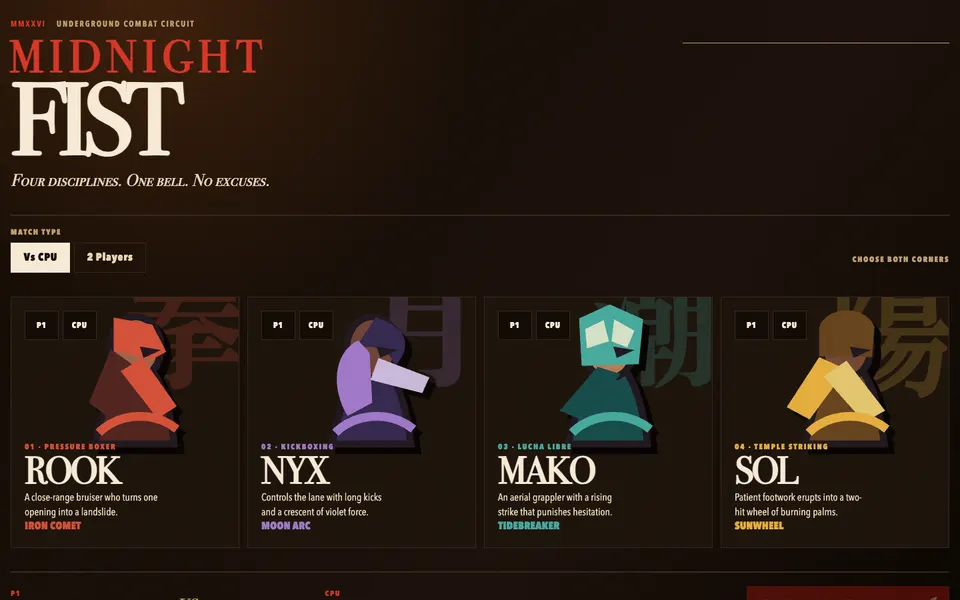
From “Kimi K3 Is Here! (Better Than Opus 4.8?)”
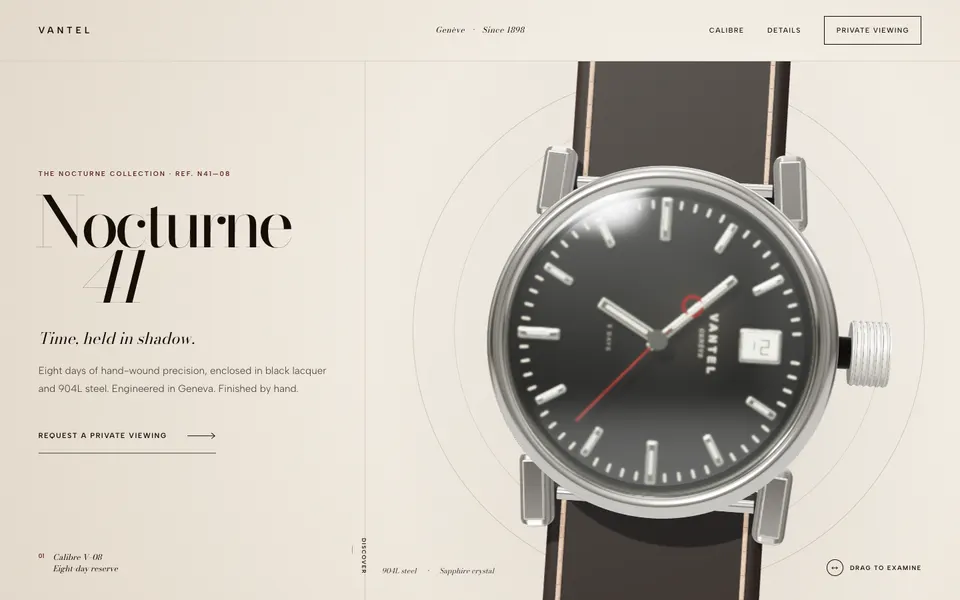
From “Kimi K3 Is Here! (Better Than Opus 4.8?)”
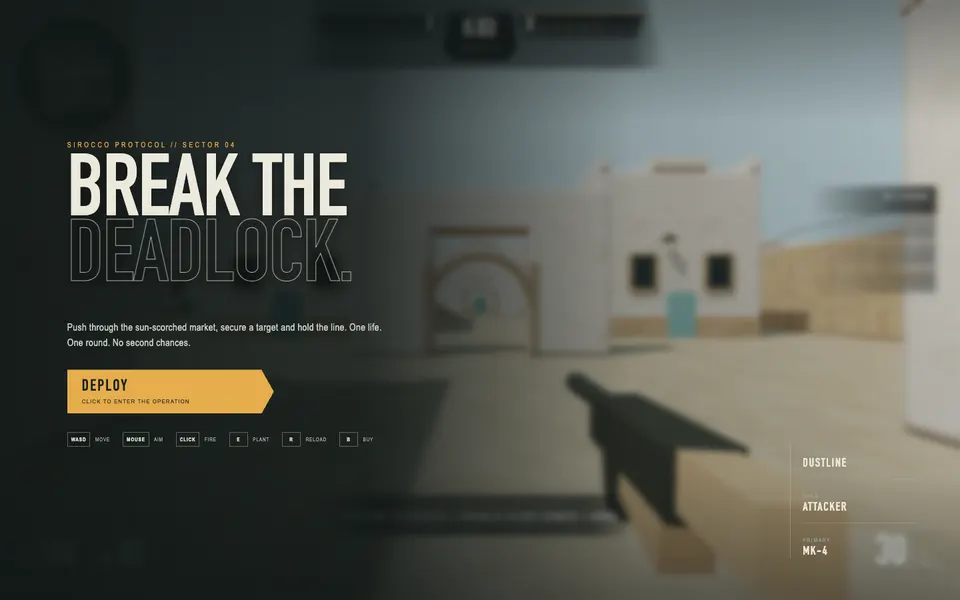
From “Kimi K3 Is Here! (Better Than Opus 4.8?)”
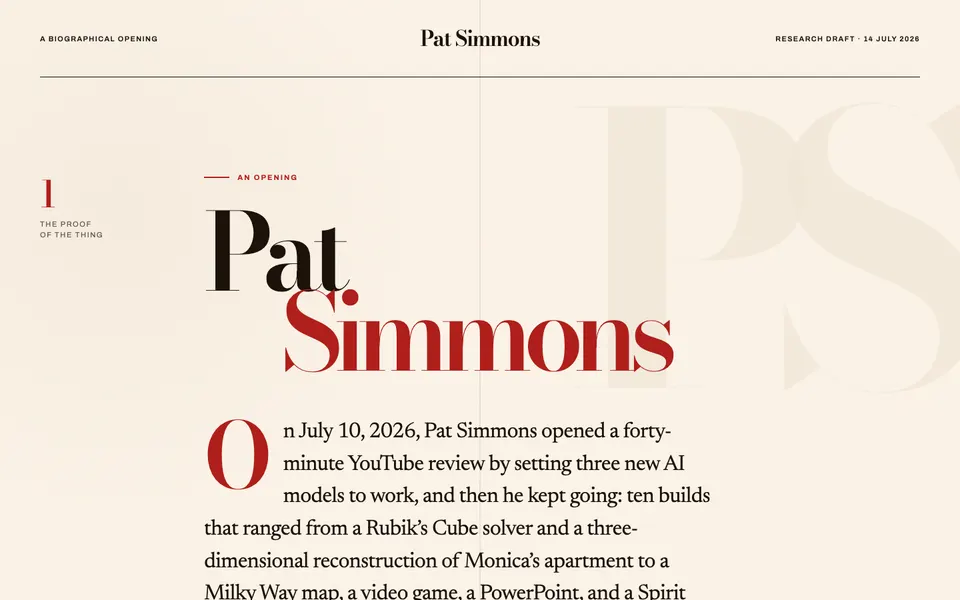
From “Kimi K3 Is Here! (Better Than Opus 4.8?)”
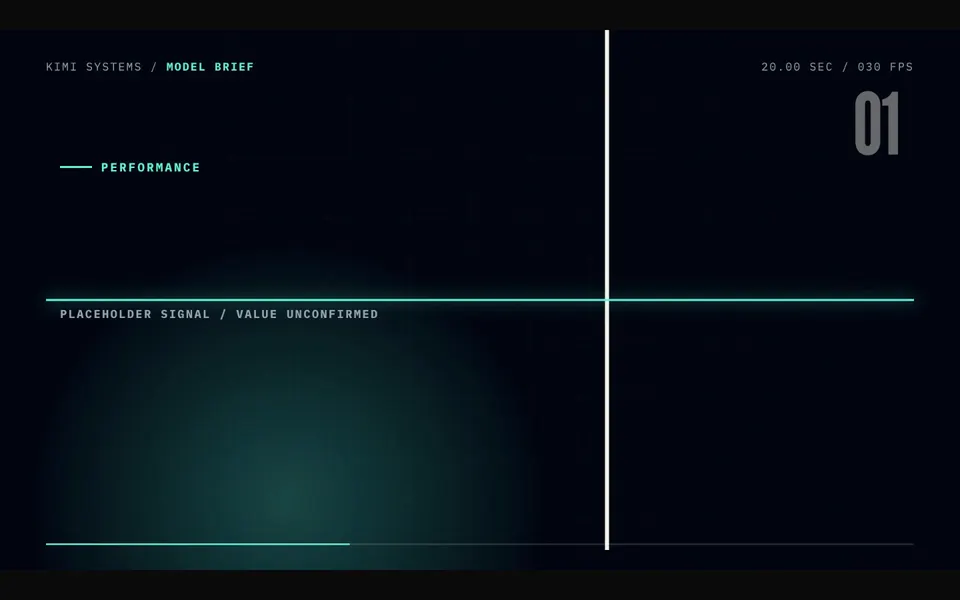
From “Kimi K3 Is Here! (Better Than Opus 4.8?)”
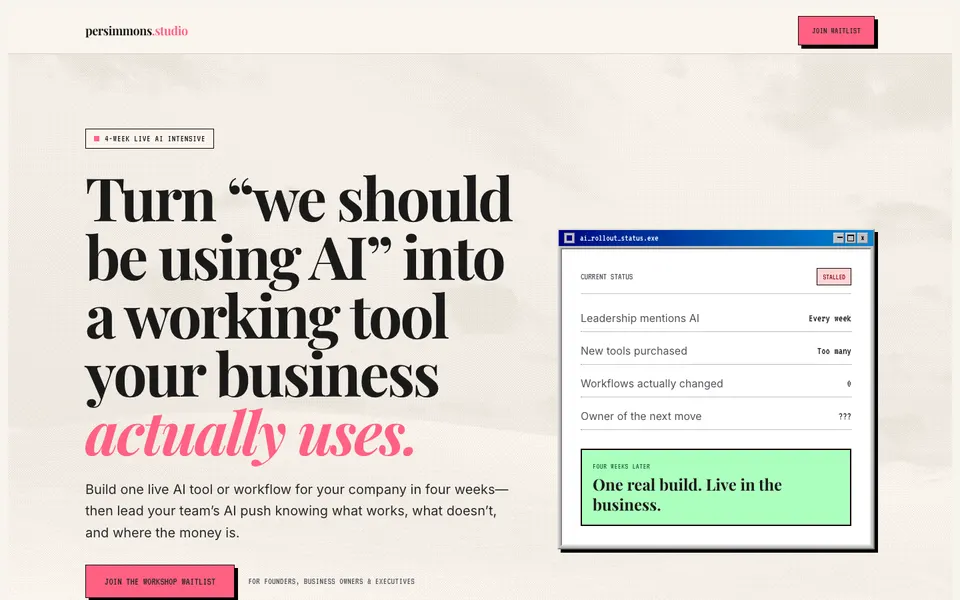
From “Kimi K3 Is Here! (Better Than Opus 4.8?)”
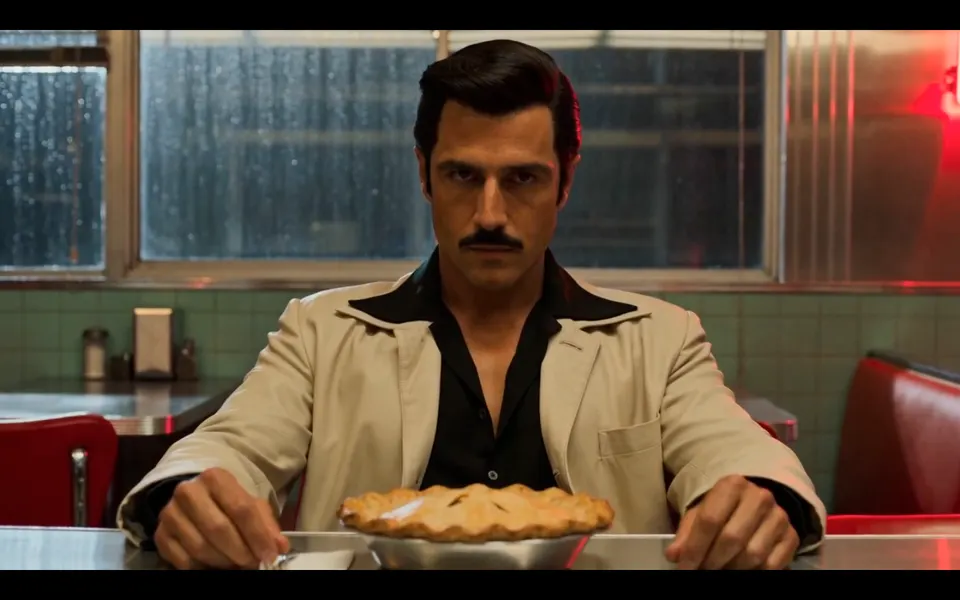
From “Kimi K3 Is Here! (Better Than Opus 4.8?)”
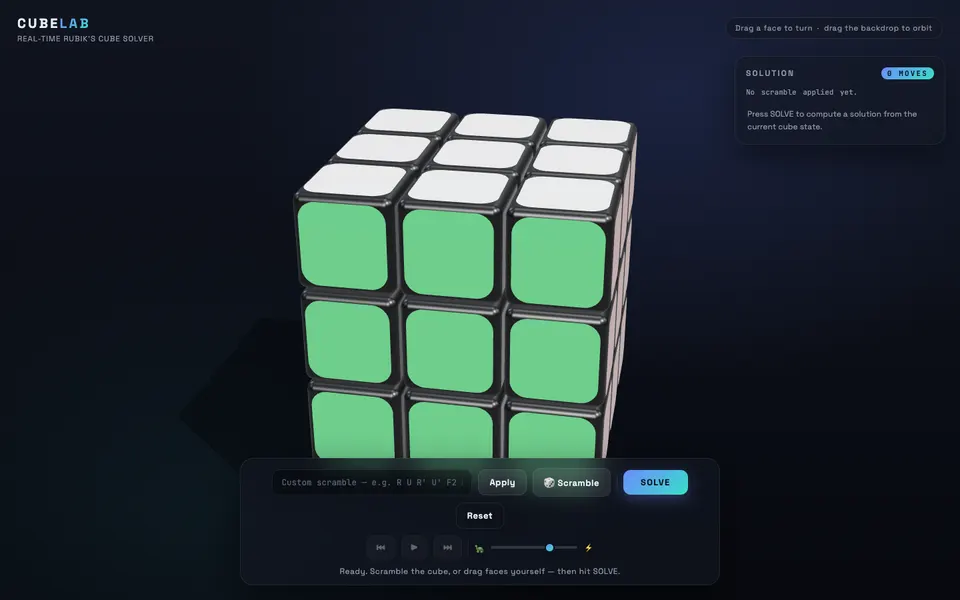
From “GPT 5.6 Sol: No-Hype Full Review & Testing”
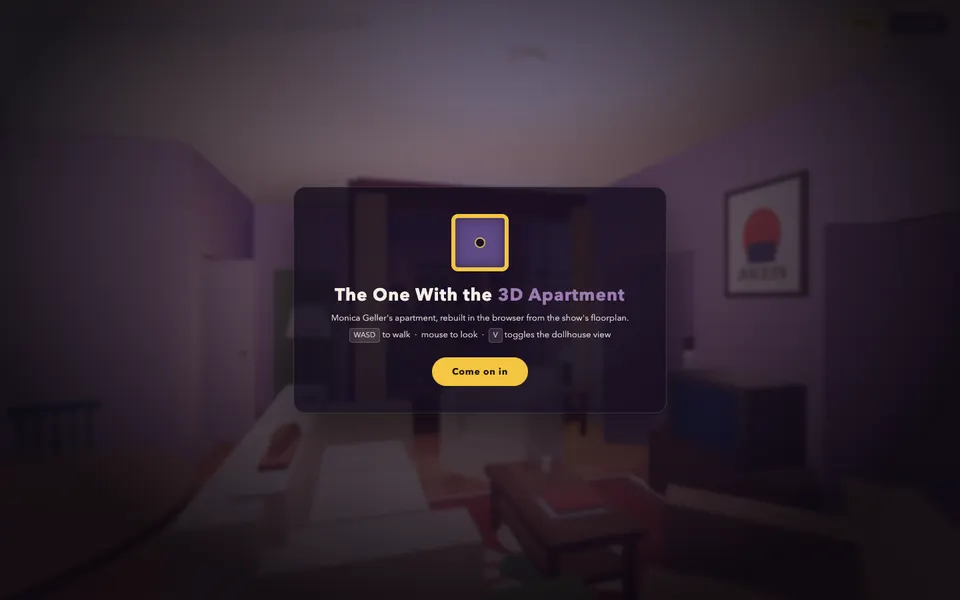
From “GPT 5.6 Sol: No-Hype Full Review & Testing”
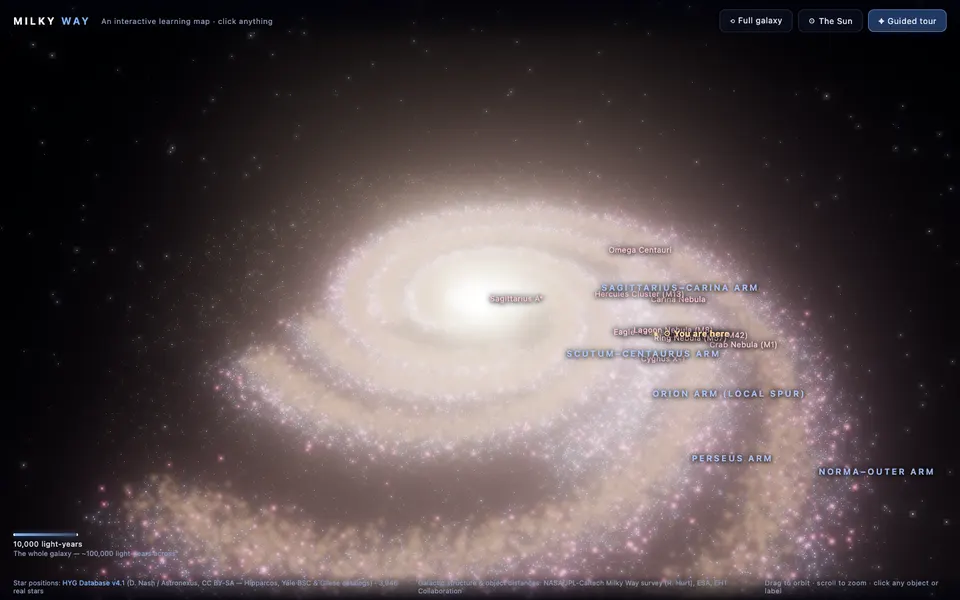
From “GPT 5.6 Sol: No-Hype Full Review & Testing”
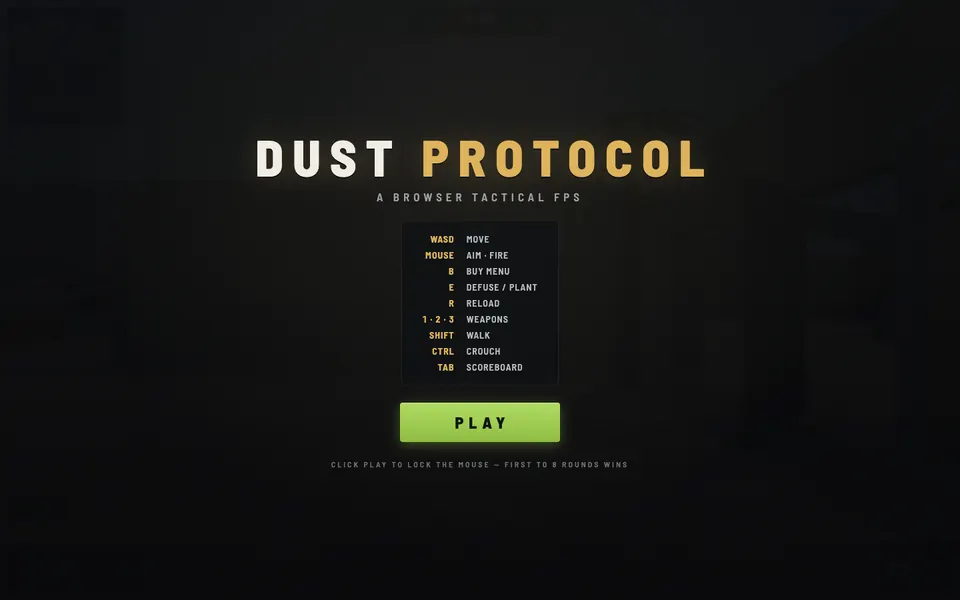
From “GPT 5.6 Sol: No-Hype Full Review & Testing”
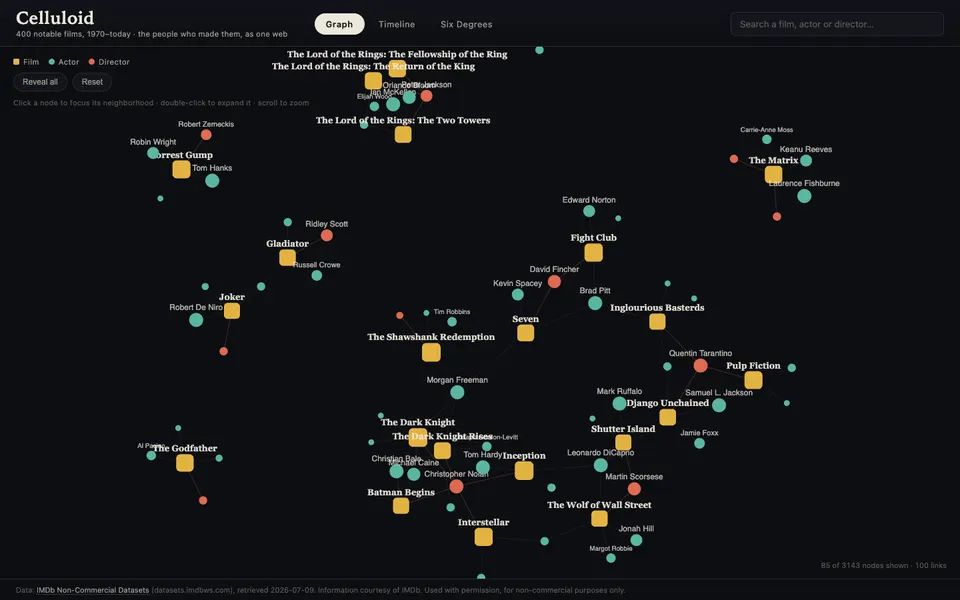
From “GPT 5.6 Sol: No-Hype Full Review & Testing”
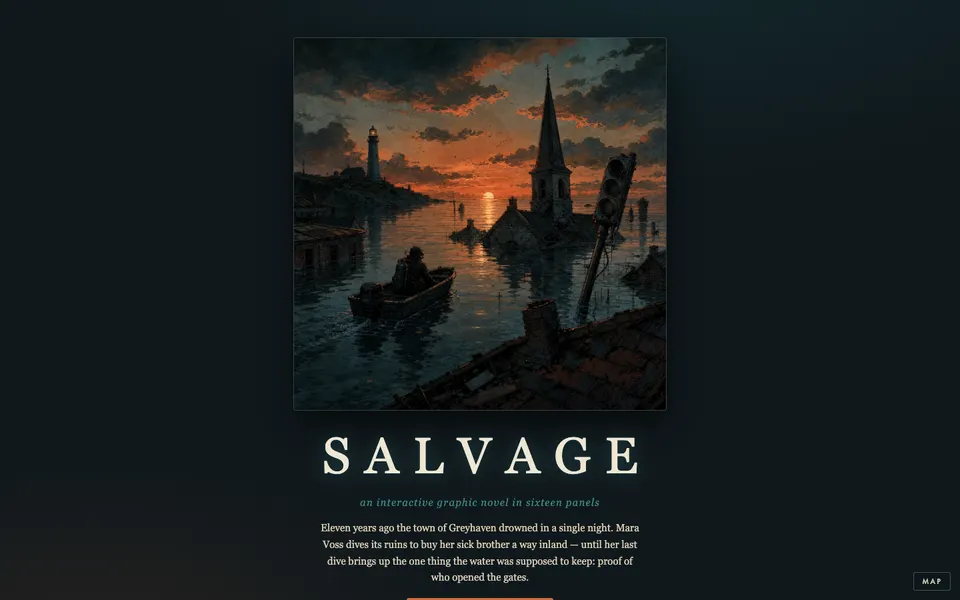
From “GPT 5.6 Sol: No-Hype Full Review & Testing”
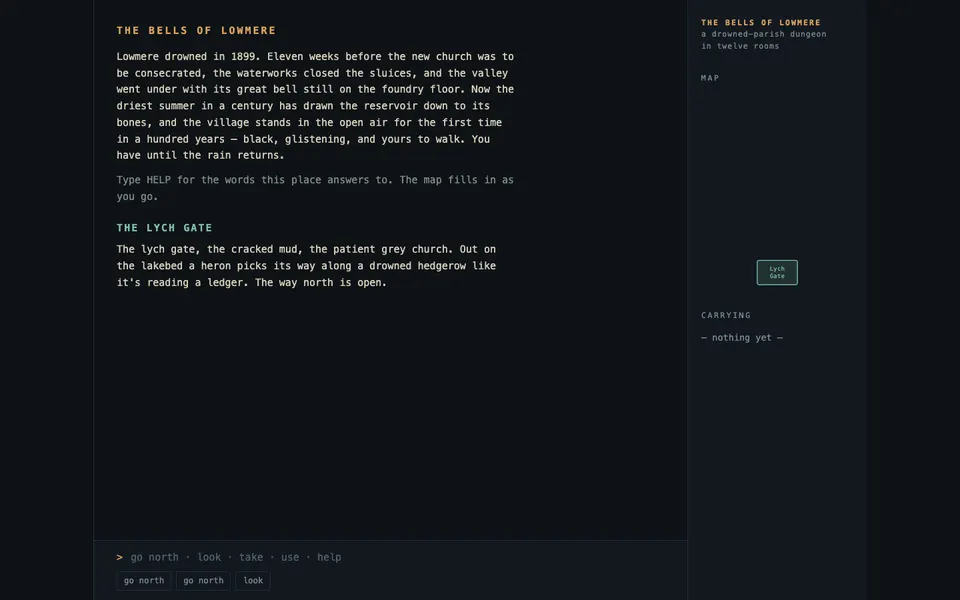
From “GPT 5.6 Sol: No-Hype Full Review & Testing”
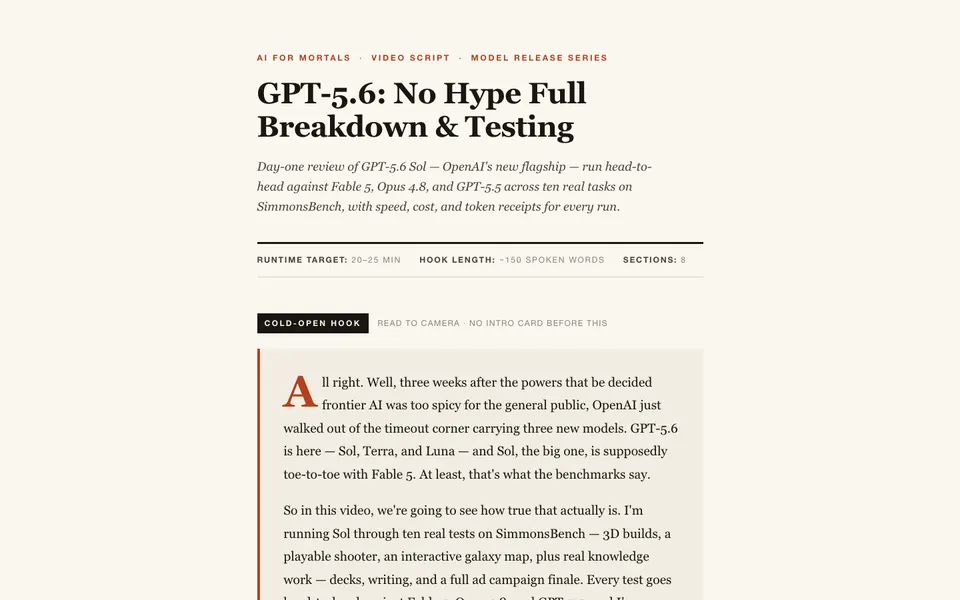
From “GPT 5.6 Sol: No-Hype Full Review & Testing”
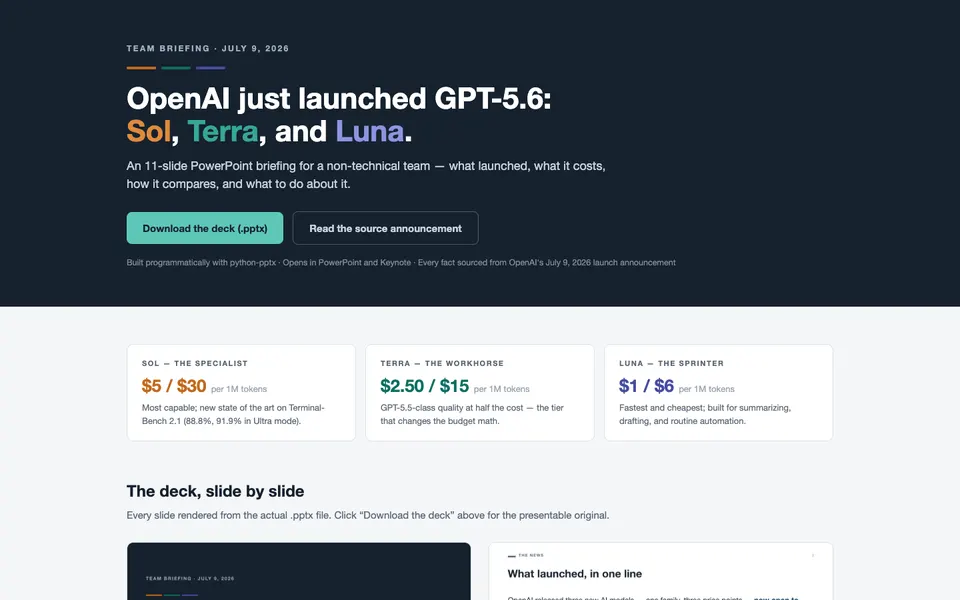
From “GPT 5.6 Sol: No-Hype Full Review & Testing”
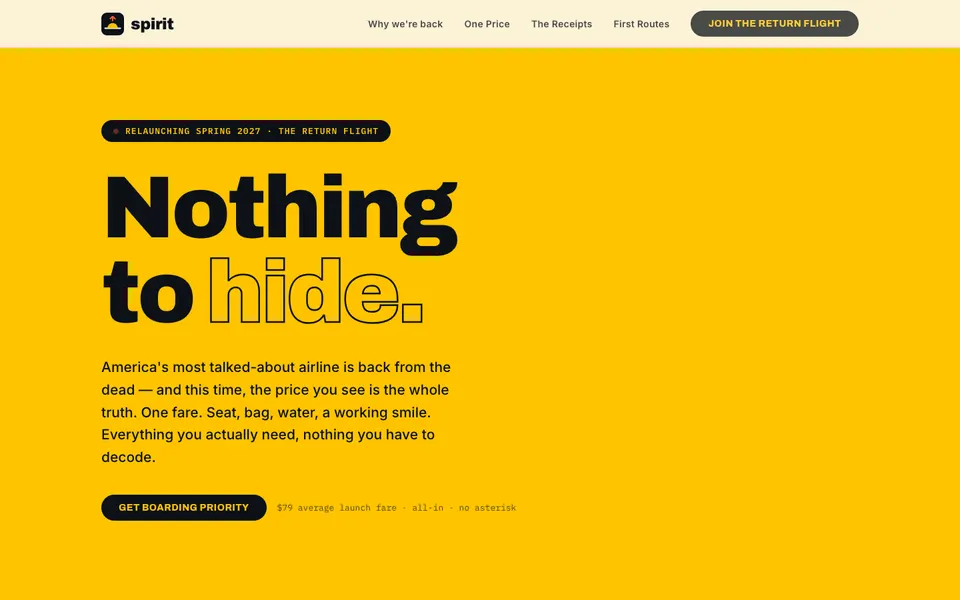
From “GPT 5.6 Sol: No-Hype Full Review & Testing”
AI FOR MORTALS.
Every weekday, the practical AI updates that matter, and exactly what to do with them.
The latest in AI, in plain English. Free, every weekday.