Most people try ChatGPT's voice mode once, think "neat," and go back to typing. It talks over you, or it freezes for a beat every time you pause. On Wednesday, OpenAI launched a rebuild aimed squarely at that.
What GPT-Live is
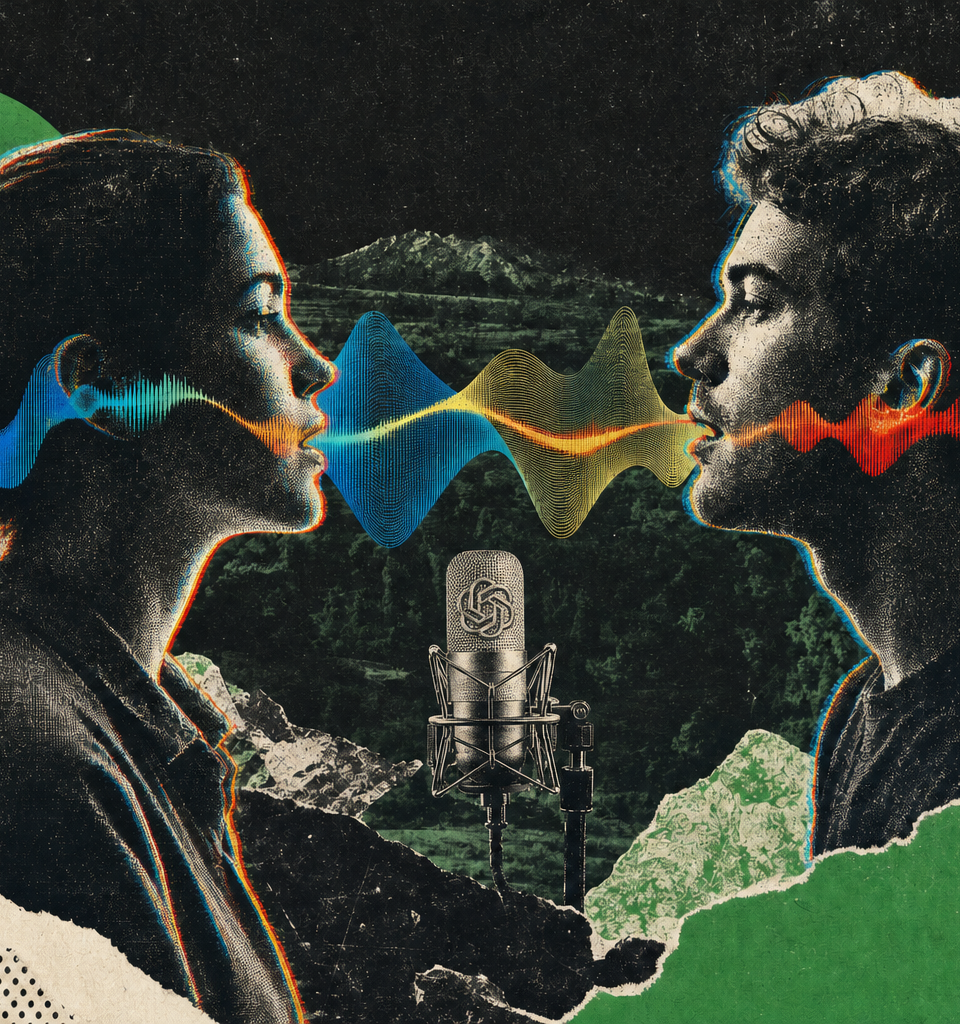
GPT-Live is a new generation of voice models now powering ChatGPT Voice. The core change is "full-duplex," which means the model can listen and speak at the same time. Older voice AI took turns: you talked, it waited for silence, then it answered. GPT-Live processes what you're saying while it's responding, and decides many times a second whether to keep talking, listen, pause, or jump in. In practice that means it can drop a quick "mhmm" or "got it" to show it's following, wait when you stop to think instead of interrupting, and ignore passing traffic instead of treating it as the end of your sentence.
The clever part: it hands off the hard stuff
The second change is that OpenAI split the fast conversational model from the heavy thinking. When you ask GPT-Live something that needs a web search or real reasoning, it passes that job to a frontier model in the background (GPT-5.5 at launch) and keeps chatting with you while it works, then brings the answer back into the conversation. You can also choose how much it thinks: Instant for speed, or Medium and High when you want it to slow down and reason.
Who gets it
GPT-Live is rolling out globally today across iOS, Android, and ChatGPT.com. It comes in two sizes: GPT-Live-1 becomes the default voice for Go, Plus, and Pro users, and a smaller GPT-Live-1 mini becomes the default for free users, so this isn't a paywalled feature. OpenAI says more than 150 million people already talk to ChatGPT each week through Voice and Dictation. The company also remastered its nine voices, and Voice can now show visual cards for things like weather, stocks, and sports while you talk. API access is "coming soon," and there's no video or screen-sharing at launch.
What people are saying
The reaction leaned positive, mostly about the full-duplex idea itself. Sam Altman said he's always preferred typing to talking to an AI and thinks this release will change that for him. Greg Brockman called it voice AI "that feels like having a natural conversation" and said it's coming to the API and Codex next. Investor Packy McCormick credited OpenAI's "just be normal" product strategy. The complaints were less about the architecture and more about polish: some users flagged latency, some pointed to missing features, and OpenAI itself notes the model may have a non-native accent or fluency gaps in some languages.
A note on safety
Because voice happens in real time, OpenAI built safeguards that can act mid-sentence, steering the model toward a safer response or, in higher-risk cases, ending the conversation. It added audio-native safety testing and teen protections through Parental Controls, and says GPT-Live is built for conversation, not voice impersonation: it uses a fixed set of voices so it can't imitate a real person.
Voice has always been really cool but never fully usable. It's had too many quirks. This full-duplex version is built to fix exactly that.
I tested it myself, practicing my Spanish with it, and it's pretty darn good. And if you're learning a new language, I can't recommend voice enough. It's like having your own private tutor.