Fable 5.1 vs Fable 5 vs Opus 5
Anthropic says Fable 5.1 costs up to 45% less than Fable 5 on agentic work. I gave all three models the exact same five builds, let each pick its own concept, and logged the real tokens, cost, and time for every one.

Claude Fable 5.1 launched today. Anthropic's headline claim is that cache reads cost 75% less than Fable 5, which works out to roughly 25% cheaper for typical workloads and up to 45% for highly agentic ones. Agentic builds are exactly what I run, so I gave Fable 5.1, Fable 5, and Opus 5 the same five build prompts, one at a time, and let each model pick its own concept so I was grading taste rather than brief-following. Then I logged the real tokens, cost, and time for every build.
What I tested
Five from-scratch builds across web design, 3D and simulation, game development, motion graphics, and a full brand relaunch. The same prompt went to every model, each in Claude Code with no sub-agent steering. The Fable 5 and Opus 5 columns were run on identical prompts before launch day and nothing was changed. Every build is live below — click any one to open it.
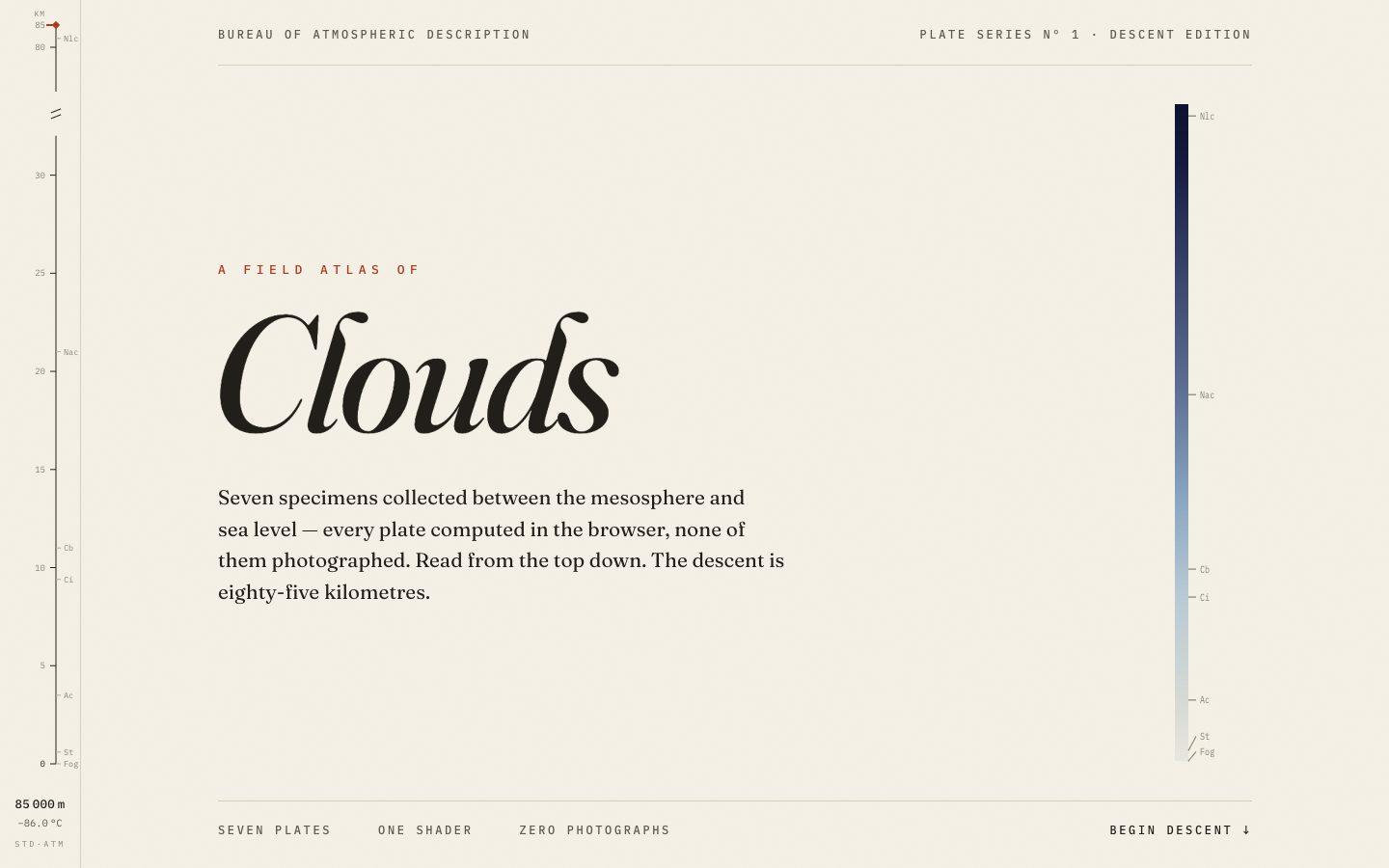
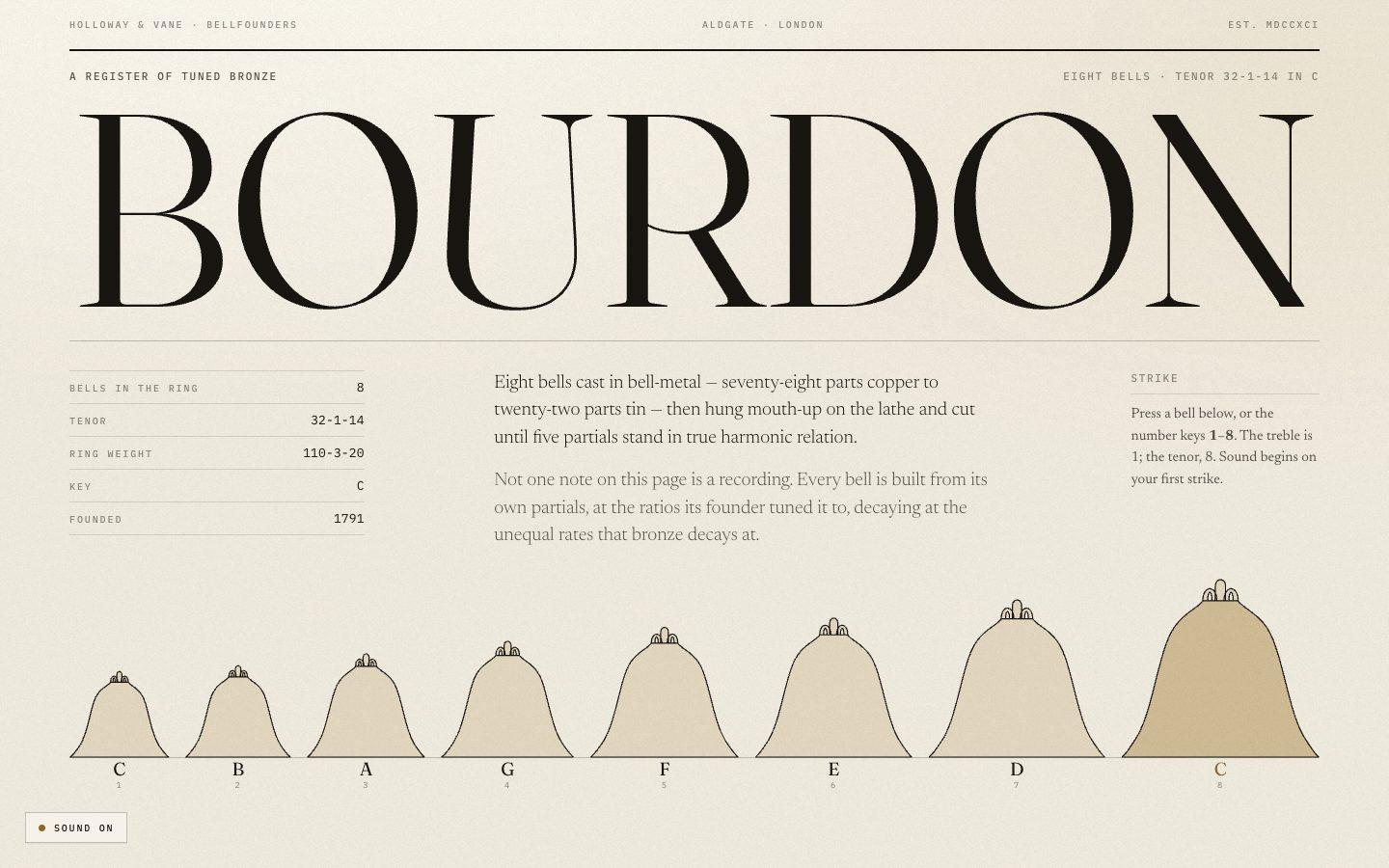
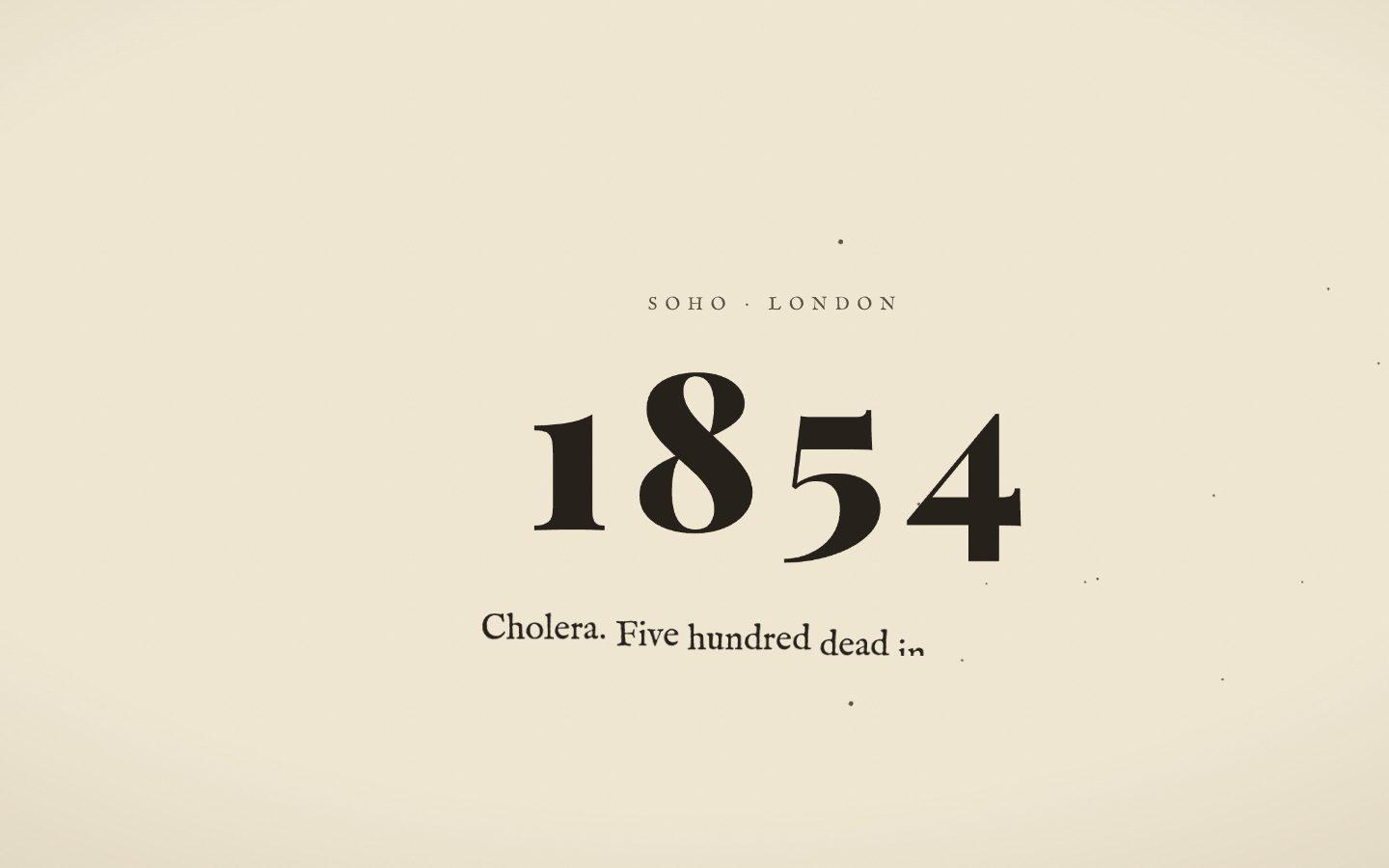
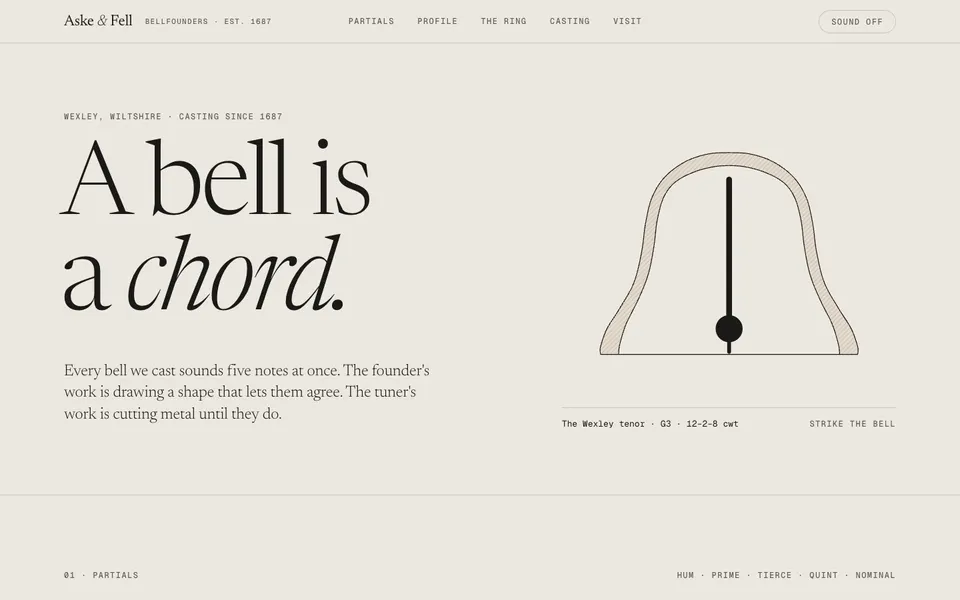
Test 1: World-class web design
A website of their choosing, built to show off design and taste.
Build one website that demonstrates the absolute ceiling of your web design capability — your taste, your artistic flavor, your technical range. You choose what the site is for. That decision is part of what's being evaluated.

Context you should know: this is going into a video comparing you against other frontier models, shown to a large audience, and your work will be credited to you by name. Every model gets this exact prompt. So go nuts and show people what you're actually capable of.

Requirements:

1. **You pick the concept.** Any subject, any industry, real or invented. Do not ask which — decide, commit, and make the choice itself impressive. A generic SaaS landing page is a wasted turn.

2. **Composition and typography carry this.** Before any effect: a deliberate type scale with real contrast between levels, a grid you actually hold to, whitespace used as a material, optical alignment that survives a squint test. A page with impeccable type and three effects beats a page with default type and thirty. This is where most of the score lives, and it is the thing models most often skip straight past.

3. **You are graded on what you left out.** Three techniques executed impeccably beat fifteen at seventy percent. Choose the few that genuinely serve your concept and cut everything that's only there to prove you can. Restraint is part of what's being measured — a maximalist demo reel reads as a model that can't self-edit.

4. **Do not hand me the house style.** A dark page, a neon or purple gradient, a glowing particle field, a scroll-jacked hero, a custom cursor — that combination is what every AI produces when told to impress, and a large audience has seen it hundreds of times. It reads as a default, not a decision. If you land on any of it, earn it and make it specific to your concept.

5. **Technique in service of the concept, not a checklist.** Reach for whatever genuinely fits — high-quality 3D and WebGL, raymarching and signed distance fields, post-processing, particle systems, flow fields and generative or procedural art, fluid simulation, custom shaders, SVG filters, masks and clip-paths, mix-blend-mode compositing, scroll-driven narrative and scrubbed timelines, View Transitions, magnetic elements, spring and inertia physics, variable fonts driven by scroll or cursor, per-character text animation, kinetic typography, art-directed dark and light modes, a designed preloader, real depth and parallax, sound design, generated-and-then-treated imagery. This is a menu to choose from sparingly, not a list to work through.

6. **You have free reign to look up how to use any of these**, and to pull in open source libraries freely via CDN, and to add any other technique you think would better demonstrate what you can do. The list is a starting point, not a boundary. You have total creative freedom to design in the way you believe best illustrates your capabilities.

7. **Single self-contained `index.html`.** Any library via CDN is fine. No build step, no server, no API keys. It must run by opening the file.

8. **No hotlinked stock photography.** Anything visual you need, generate in-browser — CSS, SVG, canvas, WebGL, procedural. This is deliberate: it forces the visuals to be yours. You may also generate imagery with the tool below and then treat it in-browser (duotone, grain, displacement) rather than dropping raw output onto the page.

9. **Image generation is available to you.** To generate an image asset:
   ```
   python3 <local-path-redacted> \
     "<your prompt>" -o ./assets/<name>.png --size 1536x1024 --timeout 300 --quiet
   ```
   Zero dependencies, no API key needed, already authenticated. Save generated assets into `./assets/` and reference them with relative paths.

10. **QA it for real.** Open it, scroll the whole thing, resize to 1440 and 1280, and confirm nothing overflows, collides, or throws console errors.

Work completely autonomously. Do not ask for anything until it's finished.

DONE when: the site runs clean from a single file, the concept is a deliberate creative choice rather than a default, the typography and composition would hold up with every effect switched off, and what's on the page is there because it earned its place.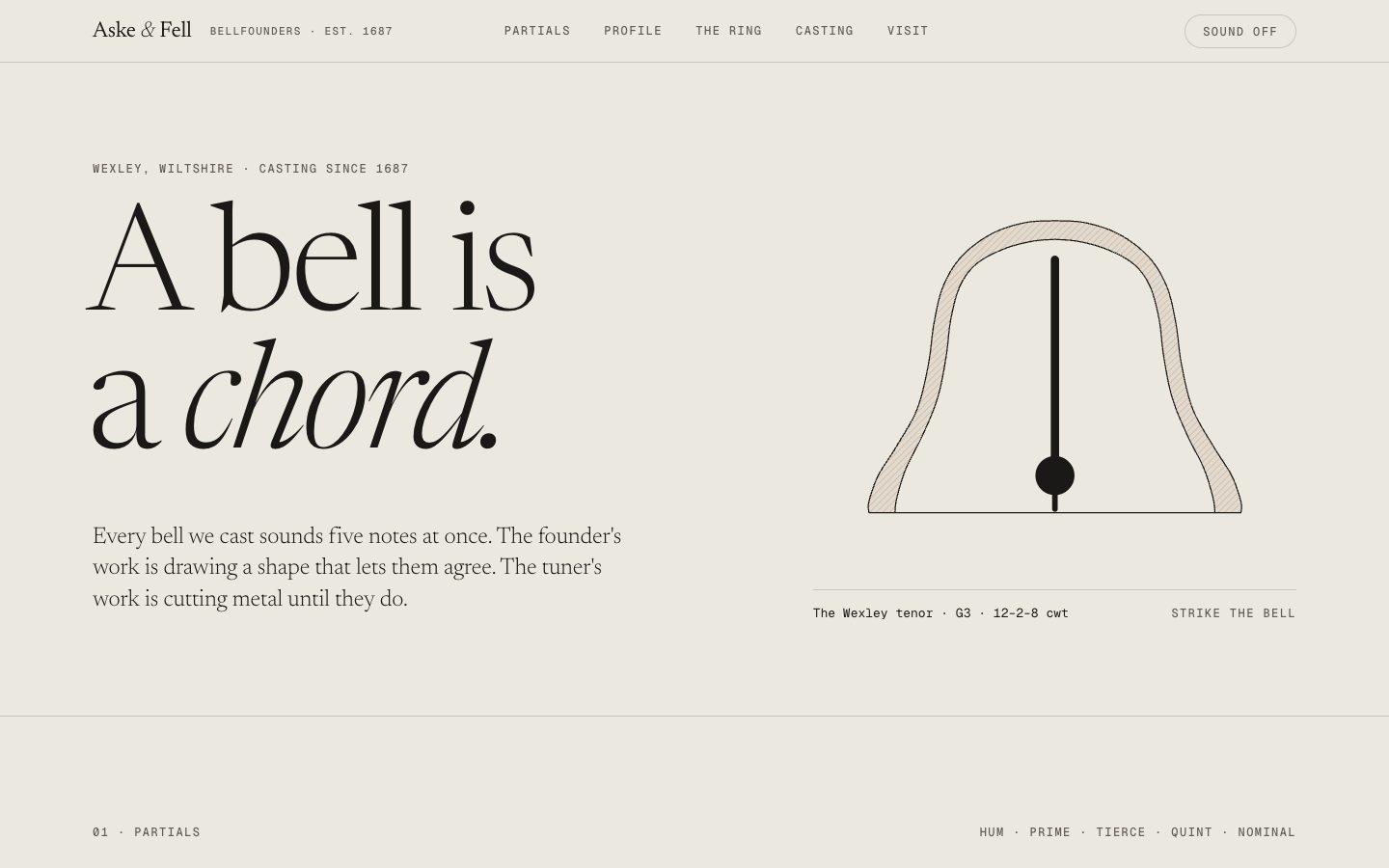
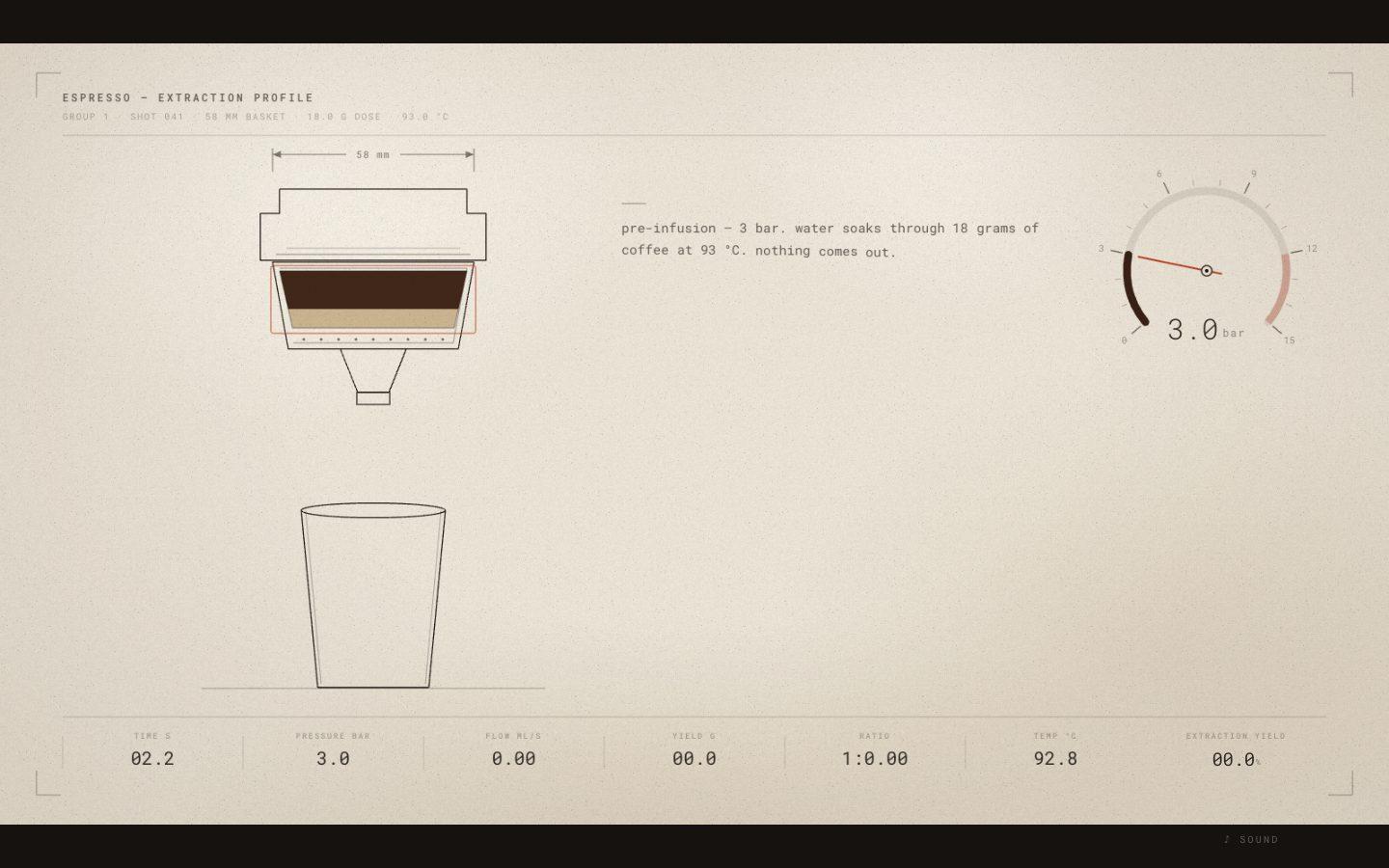
Test 2: 3D and simulation
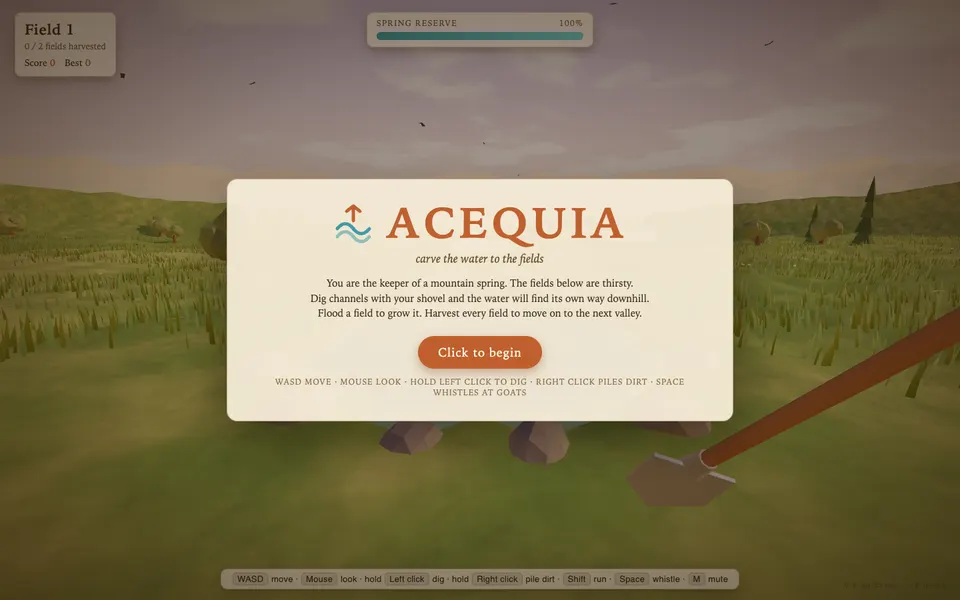
A real-time, interactive 3D place of their choosing — something you're inside of, not an object in a void.
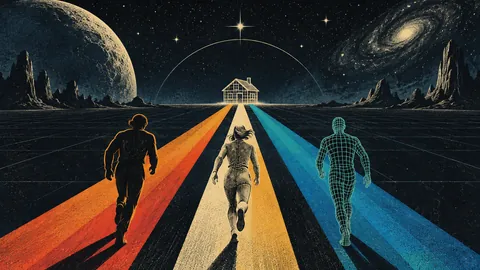
Build one real-time 3D experience that demonstrates the absolute ceiling of your 3D and simulation capability. You choose what it is. That decision is part of what's being evaluated.

Context you should know: this is going into a video comparing you against other frontier models, shown to a large audience, and your work will be credited to you by name. Every model gets this exact prompt. So go nuts and show people what you're actually capable of.

Requirements:

1. **You pick the concept, but the obvious answers are off the table.** Do not build any of the following:
   - A black hole. No gravitational lensing, no accretion disk, no relativistic ray-marched singularity. Two different frontier models returned this same build last time and the audience will recognize it immediately.
   - A solar system, planet, nebula, starfield, or any other "space object rotating in a void."
   - A single hero object floating on an empty background with a turntable camera — a crystal, an engine, a spaceship, an abstract sculpture.

   Build a **place with real scale that the viewer is inside of and can move through.** Somewhere with a floor, a horizon or an enclosure, a sense of how big it is, and things happening in it at more than one distance. The strongest build of the last round worked because it put the viewer underwater inside a collapsed limestone dome with light falling through a breach in the ceiling — you were somewhere, not looking at something.

2. **Technical ambition is the point, and it has to look genuinely realistic or genuinely art-directed** — photoreal materials and lighting, or a fully committed stylized look executed to a professional standard. Untextured primitives and flat-shaded blobs are failures. Pull from whatever best showcases you — including but not limited to: PBR materials and physically-based lighting, HDRI environments and image-based lighting, post-processing stacks (bloom, SSAO, SSR, depth of field, chromatic aberration, film grain), volumetrics and god rays, atmospheric scattering, custom GLSL shaders, raymarching and signed distance fields, GPU instancing at scale, particle and physics simulation, fluid, cloth and soft-body dynamics, procedural geometry and terrain, water and caustics, character or object animation, inverse kinematics, morph targets, point clouds, LOD systems, deliberate camera choreography. Choose what serves the place you're building rather than working through the list.

3. **Simulation should be doing real work.** The "& simulation" half of this test is usually the part that gets skipped — a beautiful static set with an orbit camera is only half the build. Something in the scene should be genuinely simulated and responsive rather than looped or baked.

4. **You have free reign to look up how to use any of these**, and to add any other technique you think demonstrates more. The list is a starting point, not a boundary.

5. **You are graded on what you left out.** A scene where three things are executed impeccably beats one with every post-processing effect stacked on top of each other. Restraint is part of what's being measured.

6. **Do not hand back the house style.** Dark void, neon or purple emissive glow, a lens flare and a particle field. It reads as a default rather than a decision. If you land on any of it, earn it and make it specific to your concept.

7. **It has to run in real time and be interactive.** The viewer can move through it, orbit it, or otherwise affect it. Target a smooth 60fps — a beautiful scene that stutters is a failed build.

8. **Single self-contained `index.html`.** Any library via CDN. No build step, no server, no API keys.

9. **No hotlinked 3D assets or stock textures, but you may pull in open source libraries freely** — geometry generators, noise libraries, physics engines, shader libraries, anything on a CDN. Generate geometry and materials procedurally or author them yourself. Image generation is available if you want texture or environment plates to treat in-engine, though procedural is usually stronger:
   ```
   python3 <local-path-redacted> \
     "<your prompt>" -o ./assets/<name>.png --size 1536x1024 --timeout 300 --quiet
   ```

10. **QA it for real.** Load it, move the camera through the whole scene, stress it, watch the frame rate. Fix anything that stutters, z-fights, clips, or throws console errors.

Work completely autonomously. Do not ask for anything until it's finished.

DONE when: it loads clean, holds 60fps, is genuinely interactive, something in it is actually simulated, and it's a place with scale rather than an object in a void.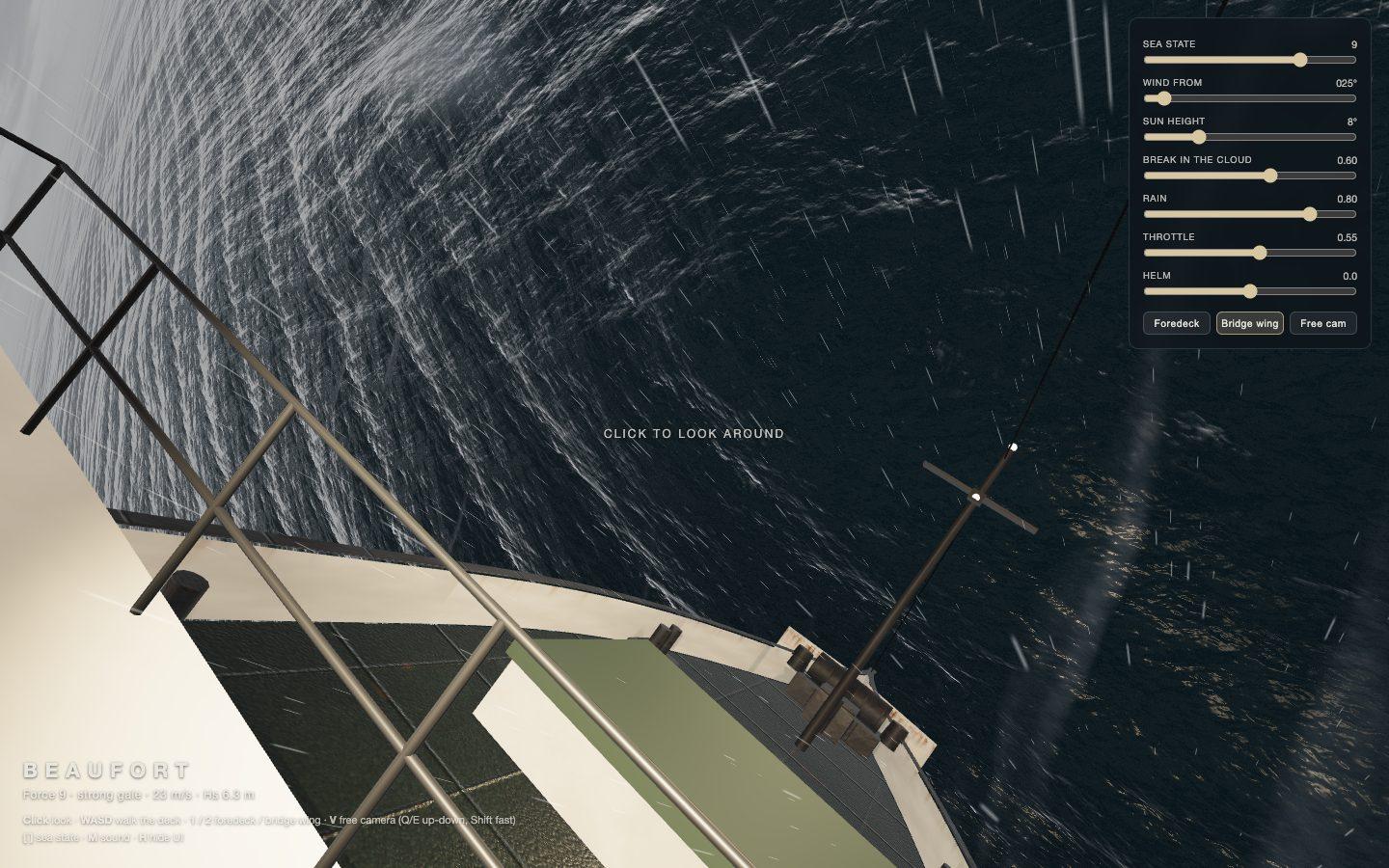


Test 3: Game development
A playable browser game of their choosing, with the obvious genres ruled out.
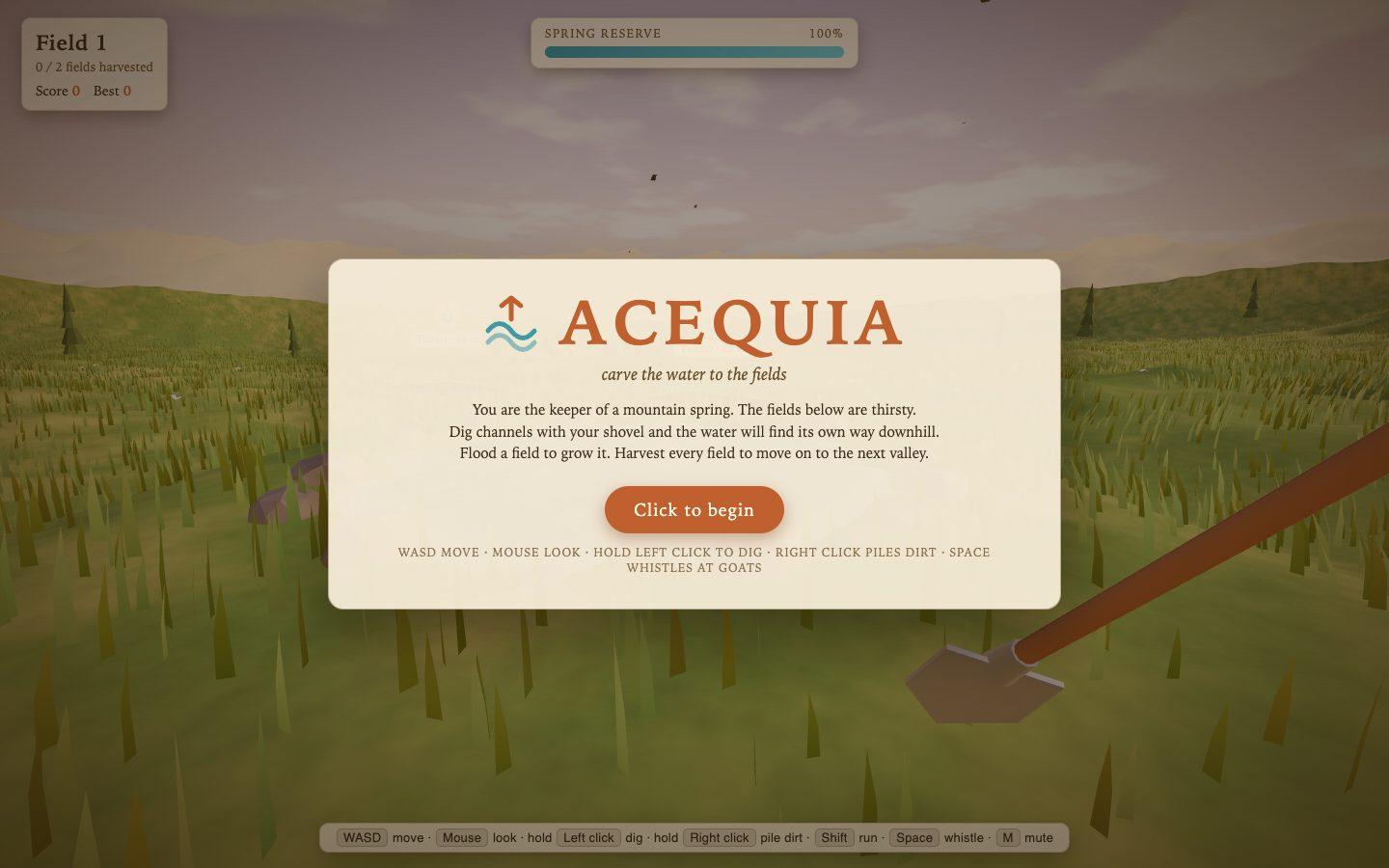
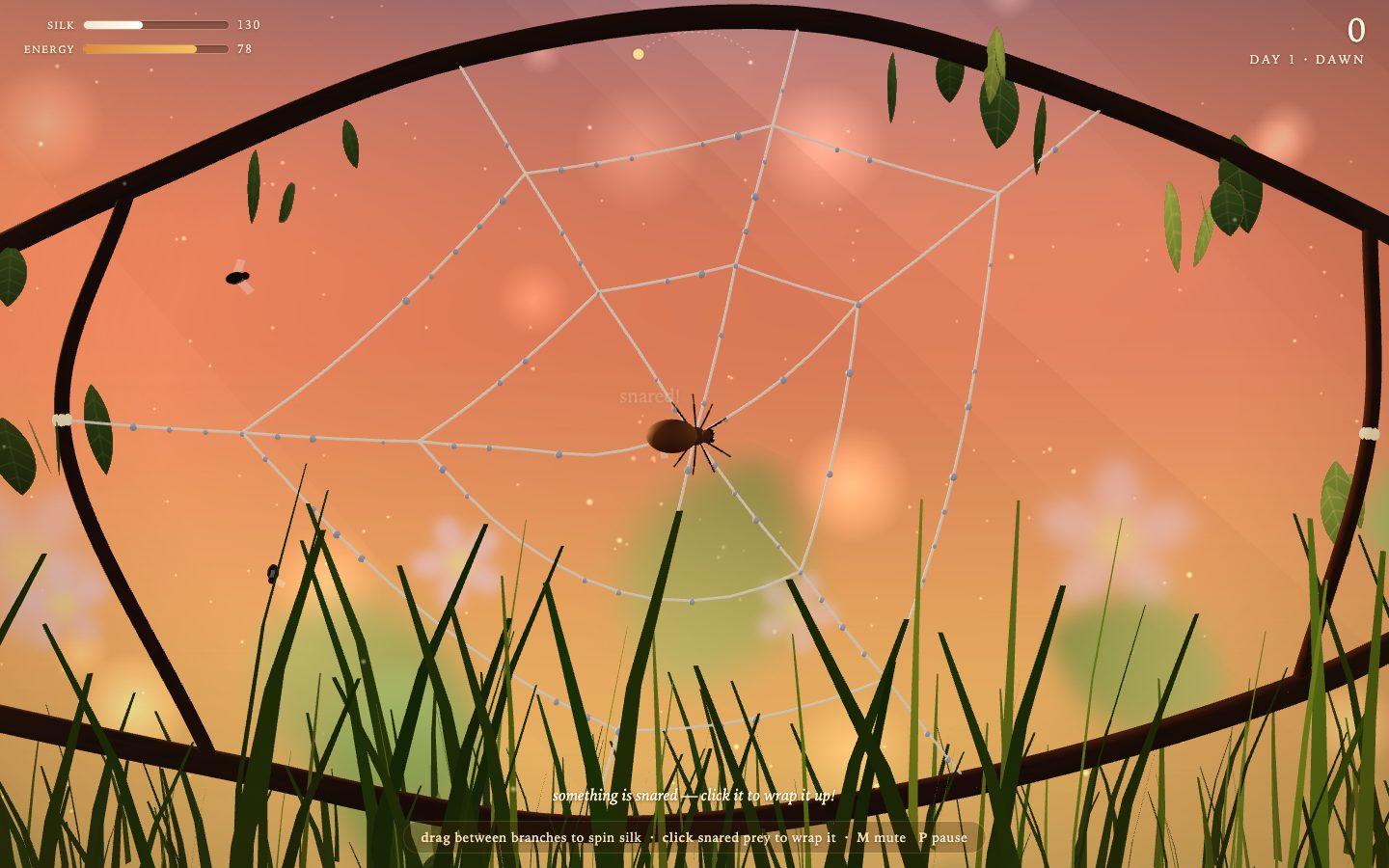
Build one playable browser game that demonstrates the absolute ceiling of your game development capability. You choose the game. That decision is part of what's being evaluated.

Context you should know: this is going into a video comparing you against other frontier models, shown to a large audience, and your work will be credited to you by name. Every model gets this exact prompt. So go nuts and show people what you're actually capable of.

Requirements:

1. **You pick the game, but the obvious answers are off the table.** The last time this prompt ran, three different frontier models independently returned three versions of the same game. Do not build any of the following:
   - A twin-stick or top-down arena shooter. No waves of enemies spawning toward you, no between-wave upgrade draft, no survive-as-long-as-you-can score chase. This is the single most common answer and it is banned.
   - An Asteroids-like: a ship drifting in open space shooting floating objects.
   - A naval or sailing game. Boats, ocean, cannons, waves — all done.
   - Anything whose core loop is driving or piloting a vehicle around an open area.
   - An endless runner, or a Pong, Snake, Breakout, Tetris, or Flappy Bird clone.
   - A neon-on-black or dark-with-glow aesthetic, in any genre. It has been seen far too many times and reads as a default.

   What's wanted instead is a genuinely new kind of game — a core verb that isn't "shoot the things coming at you," a world the player is inside rather than looking down at, and a concept that hasn't already been made a thousand times. Immersive. If you can name three existing games that already are what you're building, pick something else.

2. **It has to be genuinely fun within thirty seconds, for someone who has never seen it before.** No tutorial wall, no menu maze. It's playable the moment it loads and the core loop is clear almost immediately. Tune the opening minutes to be forgiving — the last round every model made its game punishingly hard, which is not the same thing as making it good. Someone playing for sixty seconds on camera should be enjoying it, not dying repeatedly. This is the single most important requirement.

3. **The graphics bar is high.** This should look like a real game someone would ship — incredibly realistic, or at minimum a deliberate, fully-realized art direction executed to a professional standard. Untextured primitives, flat-shaded blobs, and programmer art are failures regardless of how good the mechanics are. Lighting, materials, effects, and readability all count.

4. **Depth is the point.** Pull from whatever best showcases you — including but not limited to: a tight core loop with real progression, game feel and juice (screenshake, hitstop, easing, impact particles, camera punch), enemy AI and behavior systems, pathfinding, physics, procedural generation, a difficulty curve that actually escalates, upgrade or build variety, hundreds of simultaneous entities without frame drops, procedural audio via the Web Audio API, a designed HUD and menu system, art direction with a coherent visual identity, replayability.

5. **You have free reign to look up how to use any of these**, and to add any other technique you think demonstrates more. The list is a starting point, not a boundary.

6. **Single self-contained `index.html`.** Any library via CDN. No build step, no server, no API keys. Keyboard and mouse controls, explained on screen in one line.

7. **No hotlinked sprites or audio files, but you may pull in open source libraries freely** — engines, physics, procedural generation, noise, asset generators, particle systems, anything on a CDN. Generate art procedurally, author it in canvas/SVG/WebGL, or use library-driven generation. Sound should be synthesized via the Web Audio API. You have free reign to look up what libraries exist and how to use them.

8. **QA it by actually playing it.** Play several full runs. Confirm the loop works, difficulty scales from a forgiving start, nothing softlocks, collisions are honest, and the frame rate holds when the screen gets busy. Fix what breaks.

Work completely autonomously. Do not ask for anything until it's finished.

DONE when: it's immediately playable and fun for a first-timer, holds up over multiple runs, doesn't drop frames under load, and the game is something the audience has not already seen three models build.

Test 4: Motion graphics
A short motion graphics piece about a real subject — no title sequences.
Build one motion graphics piece that demonstrates the absolute ceiling of your motion design capability. You choose the subject and the concept. That decision is part of what's being evaluated.

Context you should know: this is going into a video comparing you against other frontier models, shown to a large audience, and your work will be credited to you by name. Every model gets this exact prompt. So go nuts and show people what you're actually capable of.

Requirements:

1. **You pick it — but not a title sequence.** The last time this prompt ran, three different frontier models independently returned three versions of the same thing: a cinematic main-title sequence that fades up, cuts through some atmospheric type, and holds on a logo lockup. Do not build that. Also off the table: an abstract particle or shader reel with type over it, and a "brand identity in motion" logo animation. Those are what a model reaches for when it wants to look impressive without committing to a subject.

   What's wanted is a piece that is *about something* — motion in service of communicating a real idea, product, story, or set of information to a viewer. Pick a subject with actual content in it and let the motion do work on that content. If your piece would still make sense with the words swapped for lorem ipsum, it isn't about anything.

2. **It plays automatically on load, runs roughly 15-30 seconds, and holds on a final frame.** Add a replay control. It must read as a finished, edited piece — not a looping animation demo.

3. **Choreography is the whole test.** Pull from whatever best showcases you — including but not limited to: kinetic typography and per-character animation, variable font animation, staggered reveal systems, easing with real authored weight, overshoot and anticipation, masking and reveal wipes, SVG path drawing and morphing, shape transitions, mix-blend-mode compositing, particle and physics-driven motion, 3D layers and camera moves, depth and parallax, shader-based transitions, displacement and distortion, grain and optical treatment, match cuts between scenes, sound-design-driven timing. Choose what serves the piece rather than working through the list.

4. **You have free reign to look up how to use any of these, and to pull in open source animation libraries freely** — GSAP, anime.js, Three.js, Lottie, shader libraries, anything on a CDN. Add any other technique you think demonstrates more. The list is a starting point, not a boundary.

5. **Timing is what separates real motion design from animation.** Beats should land with intent, moments should breathe, and the piece should build. If everything moves at the same speed with the same easing, it has failed.

6. **You are graded on what you left out.** A piece with four moves that land beats a piece with twenty that blur together. Restraint is part of what's being measured.

7. **Do not hand back the house style.** Dark background, neon or purple gradient, glowing particles, thin all-caps tracked-out type drifting in and out. A large audience has seen that combination hundreds of times and it reads as a default rather than a decision. If you land on any of it, earn it and make it specific to your subject.

8. **Single self-contained `index.html`.** Any library via CDN. No build step, no server, no API keys.

9. **No hotlinked video or stock footage.** Everything generated in-browser. Image generation is available if generated plates serve the piece:
   ```
   python3 <local-path-redacted> \
     "<your prompt>" -o ./assets/<name>.png --size 1536x1024 --timeout 300 --quiet
   ```

10. **QA it by watching it.** Play it start to finish several times. Check that beats don't collide, nothing pops in unstyled, timing reads, and it holds 60fps throughout.

Work completely autonomously. Do not ask for anything until it's finished.

DONE when: it plays end to end on first load as a finished piece, the timing is authored rather than uniform, it is about a real subject, and it is not a title sequence.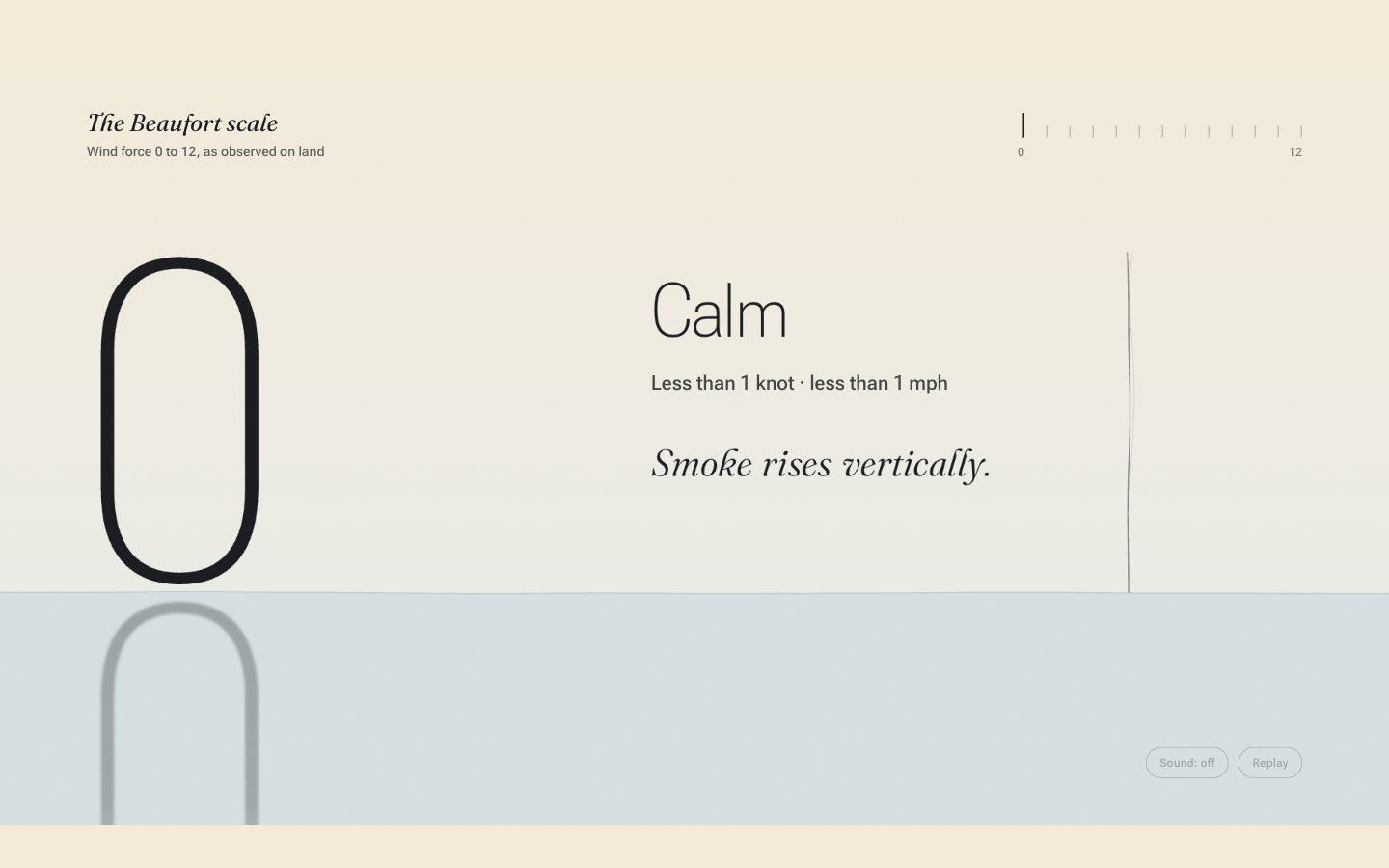
Test 5: Knowledge work: relaunching J.Crew
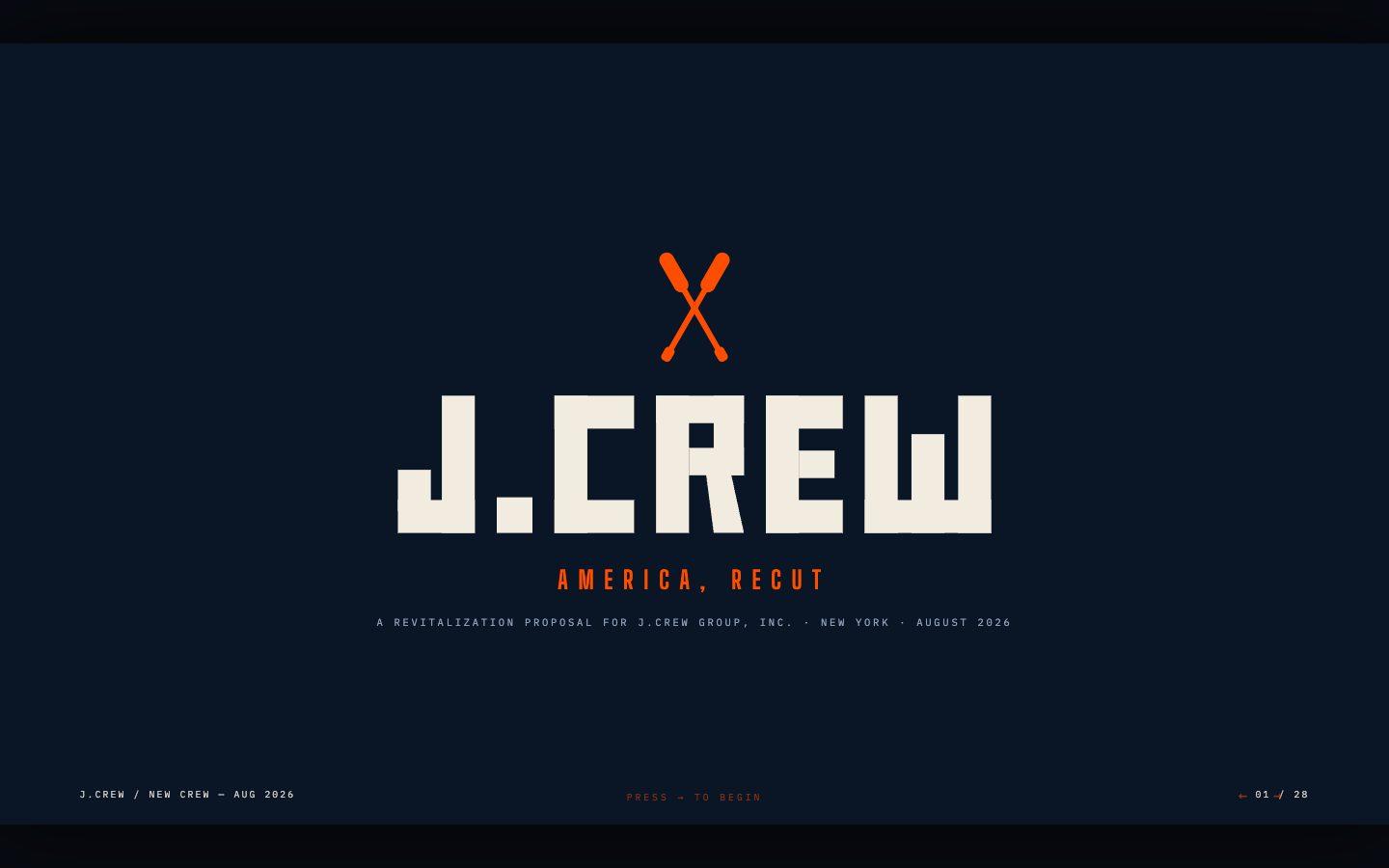
A full brand relaunch delivered as an agency pitch deck, collection and all.
J.Crew is a struggling brand. Bring it back. Deliver a complete brand revitalization as a single self-contained HTML PRESENTATION DECK — full-screen slides advanced with the arrow keys, like a real agency pitch deck (NOT a scrolling website). A scrolling website is a failed submission.

Context you should know: this is going into a video comparing you against other frontier models, shown to a large audience, and your work will be credited to you by name. Every model gets this exact prompt. So go nuts and show people what you're actually capable of.

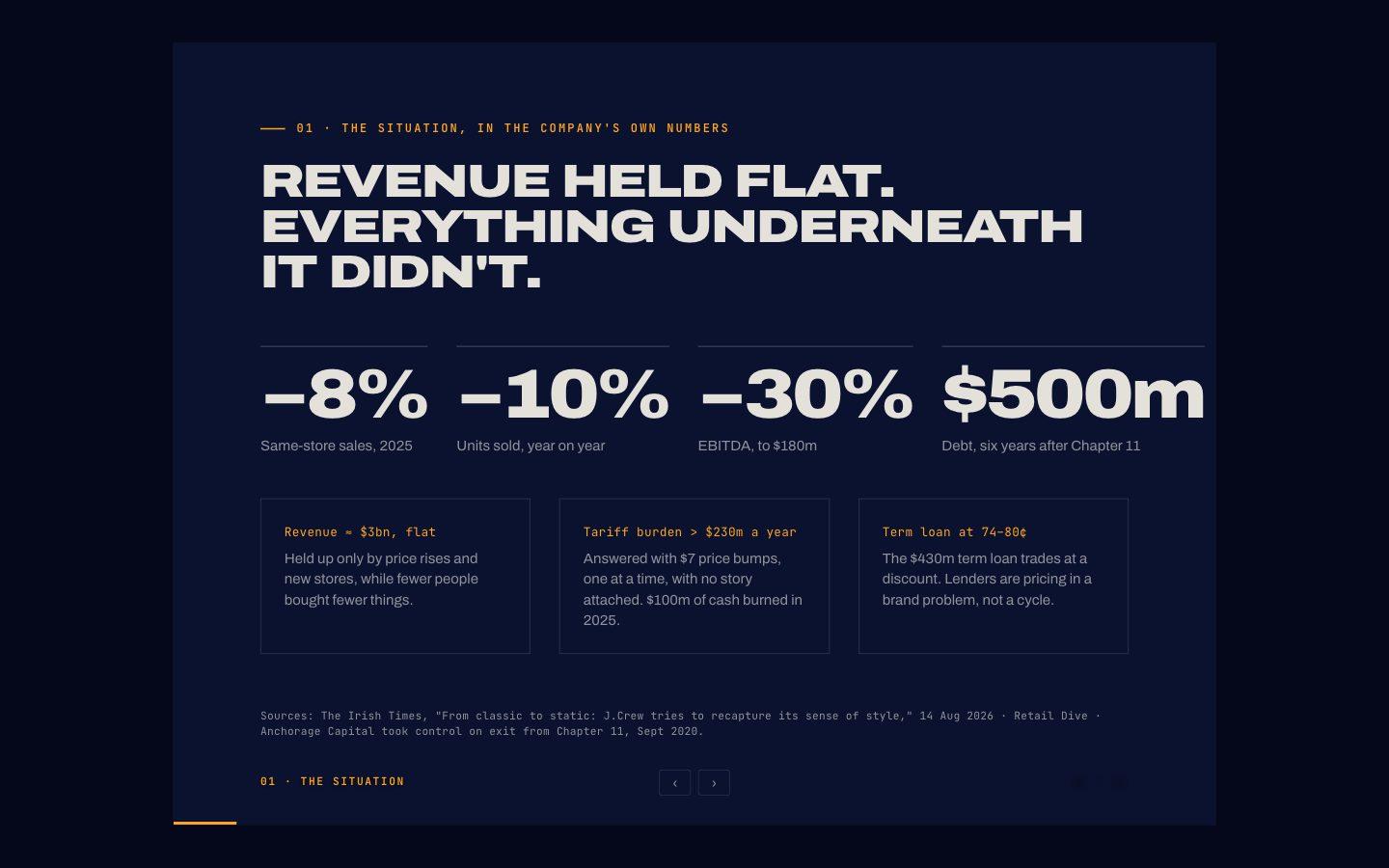
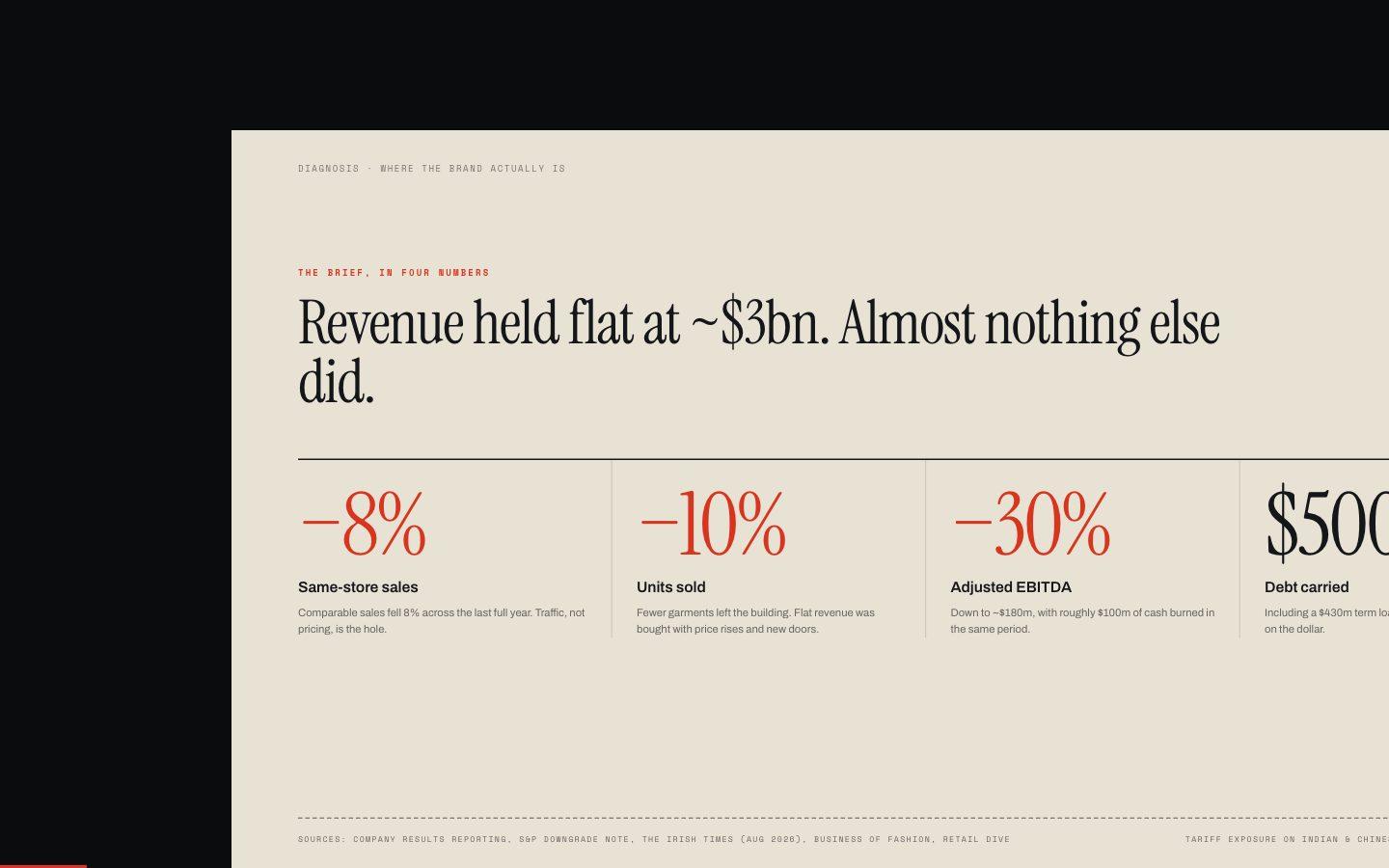
The situation, briefly: J.Crew went through Chapter 11 in 2020 and came out lighter, but the comeback has stalled. Same-store sales fell 8% last year and units sold dropped about 10%, with revenue only holding flat because prices rose and new stores opened. It still carries around $500m of debt. The criticism in the press is that the brand has gone from classic to static — it looks like itself, and that is the problem.

Research the brand's current reality online before you build anything.

**This is a clothing brand, so the rebrand has to happen on the clothes.** A new logo, a palette and a type scale is a stationery exercise, not a fashion rebrand. The revivals that actually worked in this industry came from a creative act on the product — a house brought in an outside voice and let them do something to its own signatures that it would never have done to itself, subverting a house code rather than retiring it. The mark usually survived; what changed was what the brand made and how it behaved. Do the equivalent here.

What the deck has to cover, in whatever order and pacing you think presents best:

- **The big idea** — a one-line positioning for the new J.Crew.
- **Strategy** — who it's for now, the positioning, the brand story, and the tone of voice.
- **The creative move** — who you bring in, and what they do. Name the creative director, designer or artist you'd hire (a real person, or a specific enough archetype that the choice means something), and show exactly what they do to the brand's existing codes.
- **The collection** — six to eight head-to-toe looks, menswear and womenswear, styled and shown as real garments. Call out the hero piece: the one item that gets photographed and carries the whole rebrand.
- **The logo** — a real mark, drawn as clean inline SVG (NOT generated), shown large and in its variations: primary, monochrome, reversed, and a small-size / favicon lockup. Plus the wordmark and the logo/wordmark lockups.
- **Color palette** — named swatches, hex values, a one-line rationale each, and correct usage proportions.
- **Typography** — chosen faces, the full type scale, pairing rules, shown on real headline/body specimens.
- **Tagline / slogan + a few key messaging lines.**
- **Applied mockups** — storefront signage, the shopping bag, a hang tag or garment label, an app icon, and mock social posts in the new identity.
- **Before / after** — the old J.Crew next to the new.

Commit to one confident, modern point of view. No prep-nostalgia pastiche, no generic luxury-minimalism, no clip-art. **The test is whether someone in their twenties would wear this and post it** — a heritage brand talking to itself in a nicer font is exactly the failure being diagnosed. Make it look like a real rebrand deck an agency would present.

**Single self-contained `index.html`.** Arrow-key navigation, 1920x1080. Any library via CDN. No build step, no server, no API keys.

## Imagery — GPT Image via Pat's ChatGPT subscription

For the mockup, signage and lifestyle imagery. The LOGO itself must be inline SVG, never generated. Bills a shared ChatGPT subscription (OAuth, no API key):

```bash
python3 <local-path-redacted> \
  "<your image prompt>" -o ./assets/<name>.png --size 1536x1024 --timeout 300 --quiet
```

**IMAGE THROTTLING — hard rules, this is a shared quota, do NOT drain it:**
- **8 images maximum**, allocated: **4 collection looks** (2 menswear, 2 womenswear — these matter most, spend them here), 1 hero product shot, 1 storefront, 1 in-store or lifestyle, 1 social. No extras, no variations, no "let me try another angle."
- Where a look isn't generated, style it in HTML/CSS on the slide rather than burning an image.
- **One at a time, sequential. Never parallel.**
- **Fail fast.** If a call errors, times out, or returns a usage/rate-limit message, STOP generating and finish the deck with the assets you have. Never retry in a loop.
- After each call, check the output file actually exists before moving on. The generator stalls roughly one call in three; retry the *same* command at most twice, then move on.
- Art-direct them so they read as one campaign, not five unrelated pictures.

## QA

Open it, arrow through every slide start to finish at 1920x1080, and confirm nothing overflows, collides, renders unstyled, or throws console errors. Every image path must resolve.

Work completely autonomously. Do not ask for anything until it's finished.

DONE when: it runs as a real arrow-key deck, the logo is inline SVG, the rebrand shows up in the actual clothes and not just the identity system, and it looks like a rebrand deck an agency would present.
What it cost
Across all five builds Fable 5.1 came in 46% cheaper than Fable 5, right at the top of the range Anthropic claimed. But the price cut is the smaller half of the story: pricing Fable 5.1's exact token usage at the old rates still lands 36% below Fable 5, so most of the saving is the model doing the same job in fewer turns rather than the cheaper cache reads. The gap also scales with difficulty — the 3D build went from $126 and 105 minutes to $39 and 39 minutes, while the game build only improved 18%.
| Fable 5.1 | Fable 5 | Opus 5 | |
|---|---|---|---|
| Input tokens | 84.5M | 119.7M | 284.0M |
| Output tokens | 1.8M | 2.5M | 2.9M |
| Cost | $159.93 | $297.01 | $249.50 |
| Build time | 148 min | 219 min | 377 min |
These are API-equivalent costs — token counts priced at published rates. The builds ran on a Claude subscription.
The takeaway
Anthropic's cost claim holds up, which is not something I get to say often on a launch day. What the benchmarks don't show is where the saving comes from: Fable 5.1 mostly earns it by needing fewer turns, not by charging less per turn. That matters because it means the advantage is largest exactly where these models cost the most — the long, grinding, expensive builds. On the short tasks the difference is real but modest.

Comments
Sign in to join the conversation.