
Opus 5 vs Opus 4.8 vs Fable 5
Anthropic says Opus 5 is Fable 5 intelligence at half the price. I gave all three the exact same builds, let each pick its own concept, and logged the real tokens, cost, and time for every one.

Claude Opus 5 launched today at half of Fable 5's price, the same $5/$25 per million tokens as Opus 4.8 and half of Fable 5's $10/$50. I gave all three the exact same build prompts, one at a time, and let each model pick its own concept so I was grading taste, not brief-following. Then I logged the real tokens, cost, and time for every build.
What I tested
Five from-scratch builds across web design, 3D, games, motion graphics, and knowledge work. The same prompt went to Opus 5, Opus 4.8, and Fable 5, each in Claude Code with no sub-agent steering. Every build is live below.
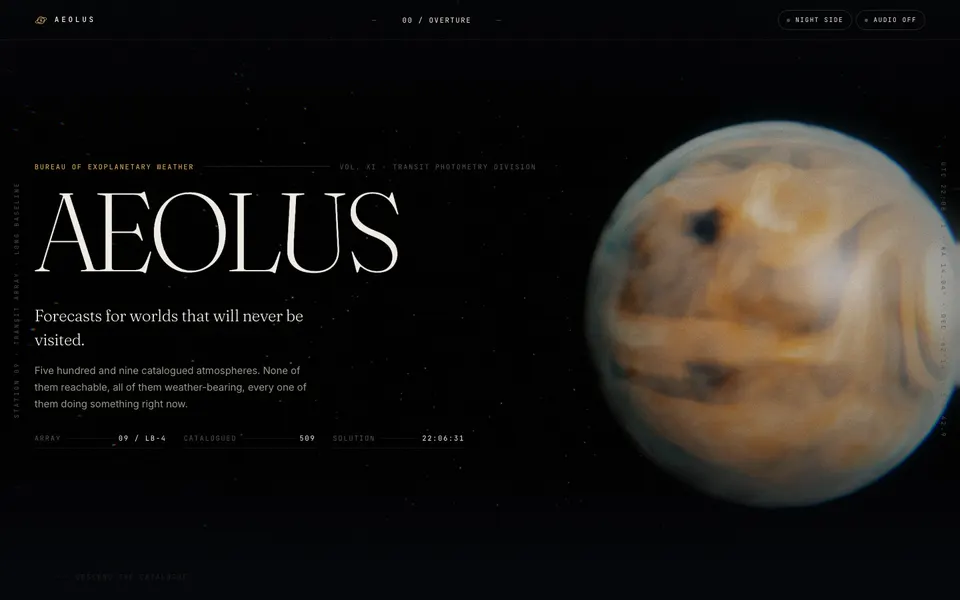
Test 1: World-class web design
A website of their choosing, built to show off design and taste.
Build one website that demonstrates the absolute ceiling of your web design capability — your taste, your artistic flavor, your technical range. You choose what the site is for. That decision is part of what's being evaluated.

Context you should know: this is going into a video comparing you against other frontier models, shown to a large audience, and your work will be credited to you by name. Every model gets this exact prompt. So go nuts and show people what you're actually capable of.

Requirements:

1. **You pick the concept.** Any subject, any industry, real or invented. Do not ask which — decide, commit, and make the choice itself impressive. A generic SaaS landing page is a wasted turn.

2. **Advanced visual technique is the point.** Pull from whatever best showcases you — including but not limited to: high-quality 3D and WebGL, raymarching and signed distance fields, post-processing (bloom, chromatic aberration, grain, displacement), particle systems, flow fields and generative/procedural art, fluid simulation, custom shaders, SVG filters, masks and clip-paths, mix-blend-mode compositing, scroll-driven narrative and scrubbed timelines, View Transitions, custom cursors and magnetic elements, spring and inertia physics, variable fonts driven by scroll or cursor, per-character text animation, kinetic typography, art-directed dark and light modes, a designed preloader, real depth and parallax, sound design, generated-and-then-treated imagery.

3. **You have free reign to look up how to use any of these**, and to pull in open source libraries freely via CDN, and to add any other technique you think would better demonstrate what you can do. The list is a starting point, not a boundary. You have total creative freedom to design in the way you believe best illustrates your capabilities.

4. **Single self-contained `index.html`.** Any library via CDN is fine. No build step, no server, no API keys. It must run by opening the file.

5. **No hotlinked stock photography.** Anything visual you need, generate in-browser — CSS, SVG, canvas, WebGL, procedural. This is deliberate: it forces the visuals to be yours. You may also generate imagery with the tool below and then treat it in-browser (duotone, grain, displacement) rather than dropping raw output onto the page.

7. **QA it for real.** Open it, scroll the whole thing, resize to 1440 and 1280, and confirm nothing overflows, collides, or throws console errors.
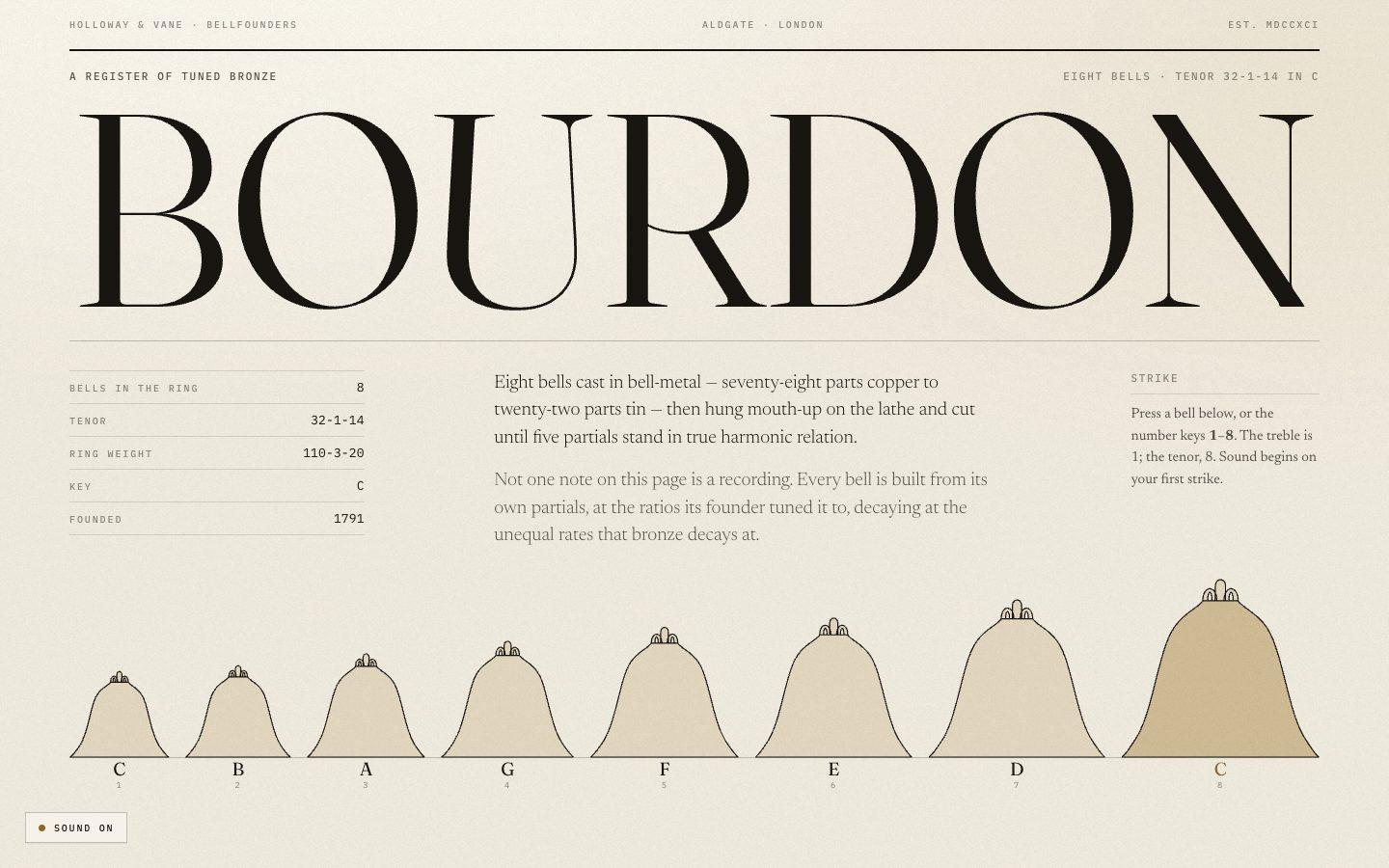
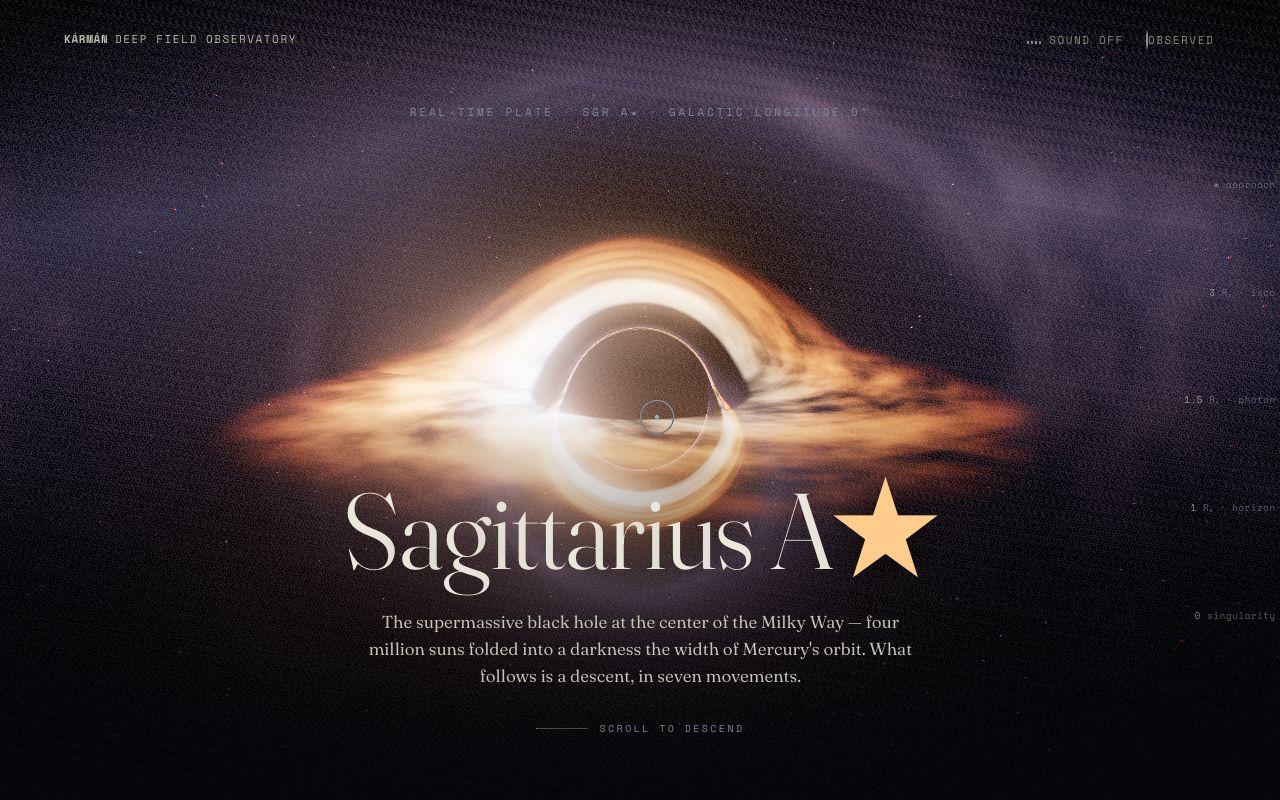
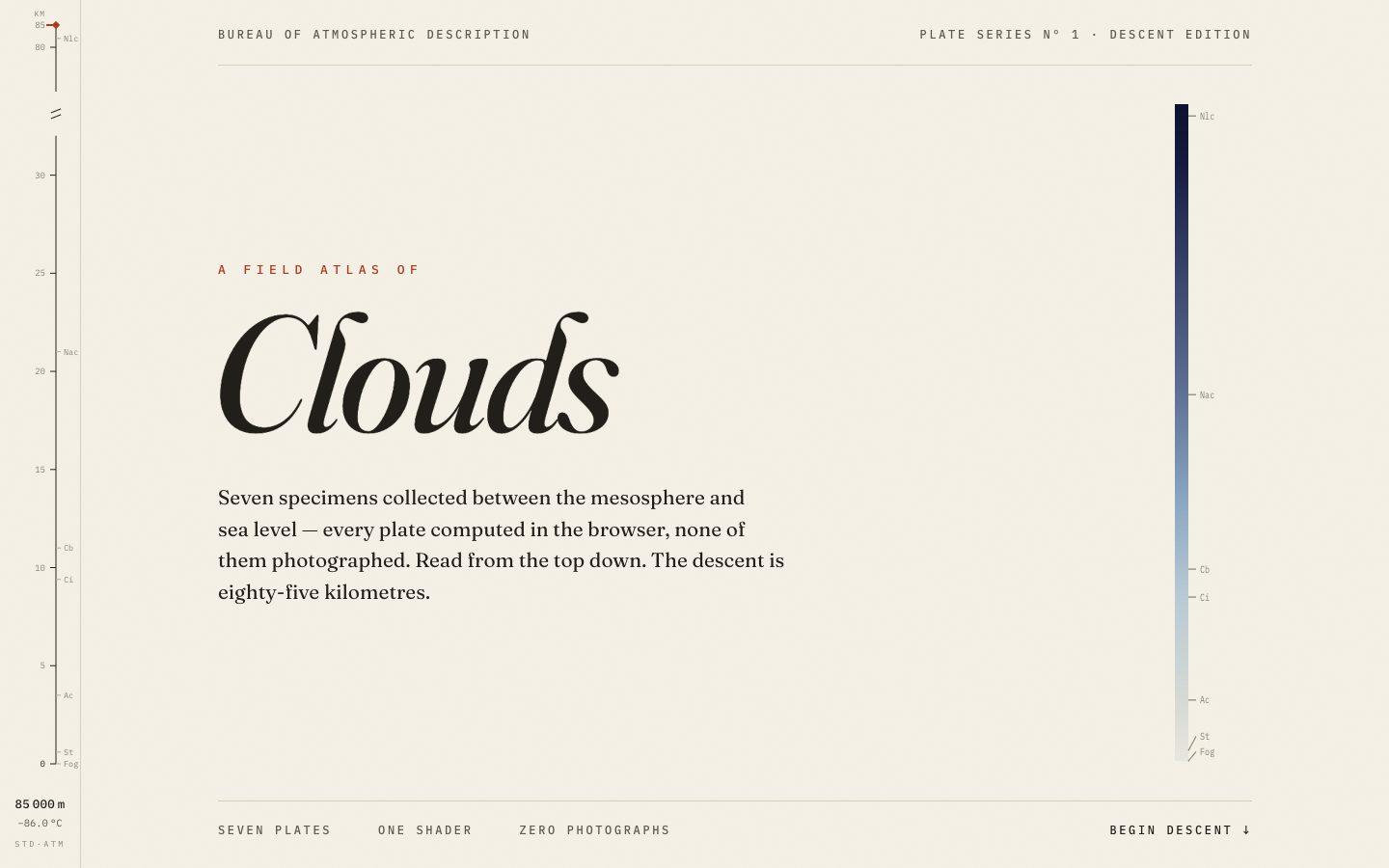
| Opus 5 | Opus 4.8 | Fable 5 | |
|---|---|---|---|
| Input tokens | 43.1M | 28.1M | 22.6M |
| Output tokens | 518K | 437K | 448K |
| Cost | $38.94 | $27.94 | $53.06 |
| Time | 56 min | 56 min | 40 min |
Test 2: 3D and simulation
A real-time, interactive 3D scene of their choosing.
Build one real-time 3D experience that demonstrates the absolute ceiling of your 3D and simulation capability. You choose what it is. That decision is part of what's being evaluated.

Context you should know: this is going into a video comparing you against other frontier models, shown to a large audience, and your work will be credited to you by name. Every model gets this exact prompt. So go nuts and show people what you're actually capable of.

Requirements:

1. **You pick the concept.** A scene, a simulation, a world, an object, an environment, something with no existing name for it. Decide, commit, and make the choice itself impressive. A spinning cube on a gradient is a wasted turn.

2. **Technical ambition is the point, and it has to look genuinely realistic or genuinely art-directed** — photoreal materials and lighting, or a fully committed stylized look executed to a professional standard. Untextured primitives and flat-shaded blobs are failures. Pull from whatever best showcases you — including but not limited to: PBR materials and physically-based lighting, HDRI environments and image-based lighting, post-processing stacks (bloom, SSAO, SSR, depth of field, chromatic aberration, film grain), volumetrics and god rays, atmospheric scattering, custom GLSL shaders, raymarching and signed distance fields, GPU instancing at scale, particle and physics simulation, fluid, cloth and soft-body dynamics, procedural geometry and terrain, water and caustics, character or object animation, inverse kinematics, morph targets, point clouds, LOD systems, deliberate camera choreography.

3. **You have free reign to look up how to use any of these**, and to add any other technique you think demonstrates more. The list is a starting point, not a boundary.

4. **It has to run in real time and be interactive.** The viewer can move through it, orbit it, or otherwise affect it. Target a smooth 60fps — a beautiful scene that stutters is a failed build.

5. **Single self-contained `index.html`.** Any library via CDN. No build step, no server, no API keys.

6. **No hotlinked 3D assets or stock textures, but you may pull in open source libraries freely** — geometry generators, noise libraries, physics engines, shader libraries, anything on a CDN. Generate geometry and materials procedurally or author them yourself.

7. **QA it for real.** Load it, move the camera through the whole scene, stress it, watch the frame rate. Fix anything that stutters, z-fights, clips, or throws console errors.


| Opus 5 | Opus 4.8 | Fable 5 | |
|---|---|---|---|
| Input tokens | 10M | 4M | 6.4M |
| Output tokens | 236K | 88K | 99K |
| Cost | $12.69 | $5.22 | $13.77 |
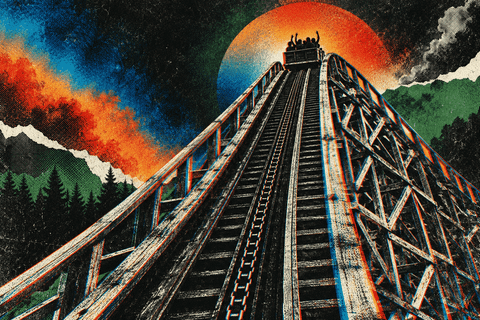
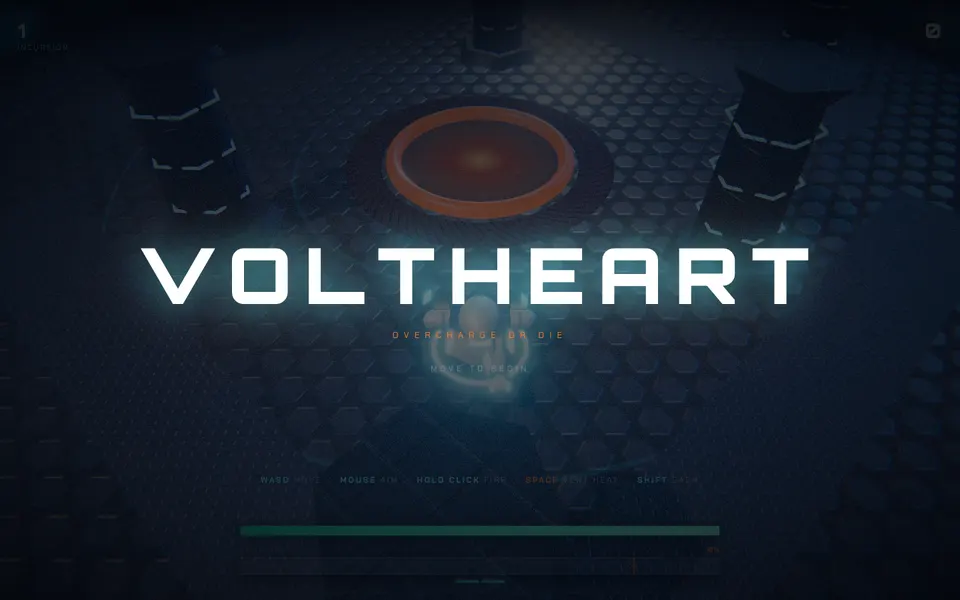
Test 3: Game development
A playable browser game of their choosing.
Build one playable browser game that demonstrates the absolute ceiling of your game development capability. You choose the game. That decision is part of what's being evaluated.

Context you should know: this is going into a video comparing you against other frontier models, shown to a large audience, and your work will be credited to you by name. Every model gets this exact prompt. So go nuts and show people what you're actually capable of.

Requirements:

1. **You pick the game.** Any genre, any style, original or your own take on something. Decide and commit. Another Pong, Snake, or Flappy Bird clone is a wasted turn — the ambition of what you attempt is part of the score.

2. **It has to be genuinely fun within thirty seconds.** No tutorial wall, no menu maze. It's playable the moment it loads, and the core loop should be clear and satisfying almost immediately. This is the single most important requirement.

3. **The graphics bar is high.** This should look like a real game someone would ship — incredibly realistic, or at minimum a deliberate, fully-realized art direction executed to a professional standard. Untextured primitives, flat-shaded blobs, and programmer art are failures regardless of how good the mechanics are. Lighting, materials, effects, and readability all count.

4. **Depth is the point.** Pull from whatever best showcases you — including but not limited to: a tight core loop with real progression, game feel and juice (screenshake, hitstop, easing, impact particles, camera punch), enemy AI and behavior systems, pathfinding, physics, procedural generation, a difficulty curve that actually escalates, upgrade or build variety, hundreds of simultaneous entities without frame drops, procedural audio via the Web Audio API, a designed HUD and menu system, art direction with a coherent visual identity, replayability.

5. **You have free reign to look up how to use any of these**, and to add any other technique you think demonstrates more. The list is a starting point, not a boundary.

6. **Single self-contained `index.html`.** Any library via CDN. No build step, no server, no API keys. Keyboard and mouse controls, explained on screen in one line.

7. **No hotlinked sprites or audio files, but you may pull in open source libraries freely** — engines, physics, procedural generation, noise, asset generators, particle systems, anything on a CDN. Generate art procedurally, author it in canvas/SVG/WebGL, or use library-driven generation. Sound should be synthesized via the Web Audio API. You have free reign to look up what libraries exist and how to use them.

8. **QA it by actually playing it.** Play several full runs. Confirm the loop works, difficulty scales, nothing softlocks, collisions are honest, and the frame rate holds when the screen gets busy. Fix what breaks.


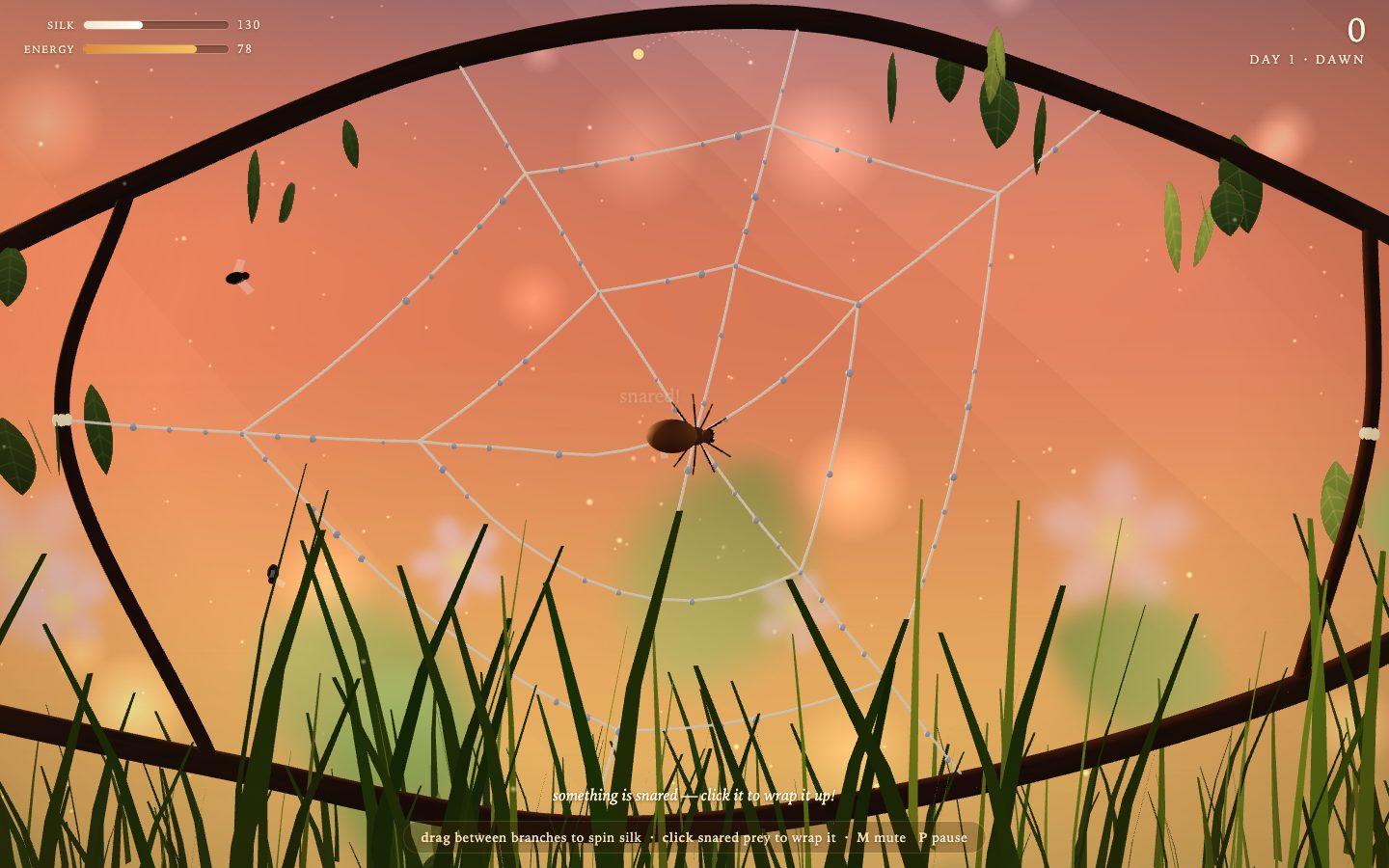
| Opus 5 | Opus 4.8 | Fable 5 | |
|---|---|---|---|
| Input tokens | 13.6M | 20.4M | 12.1M |
| Output tokens | 263K | 676K | 317K |
| Cost | $16.00 | $31.92 | $33.25 |
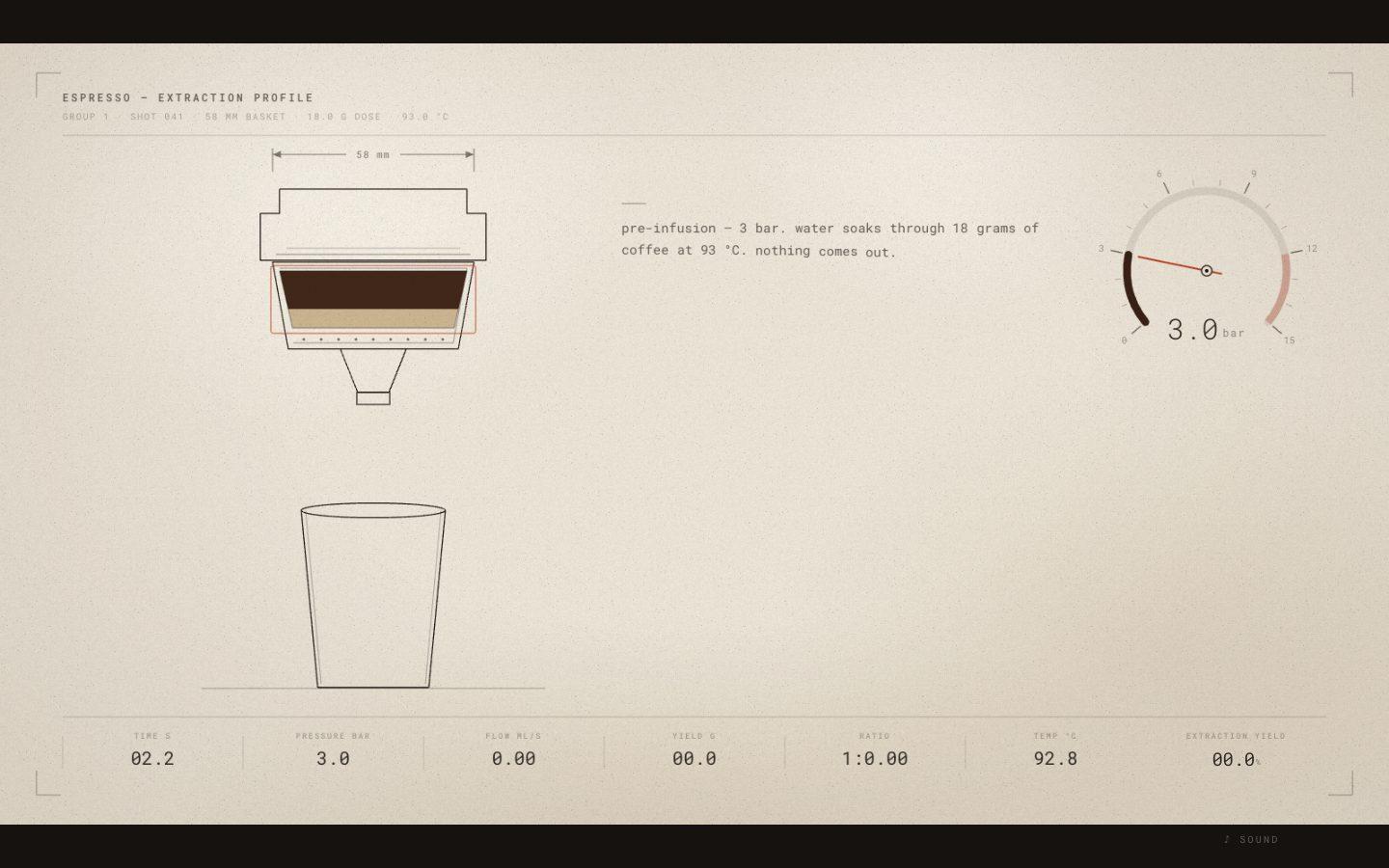
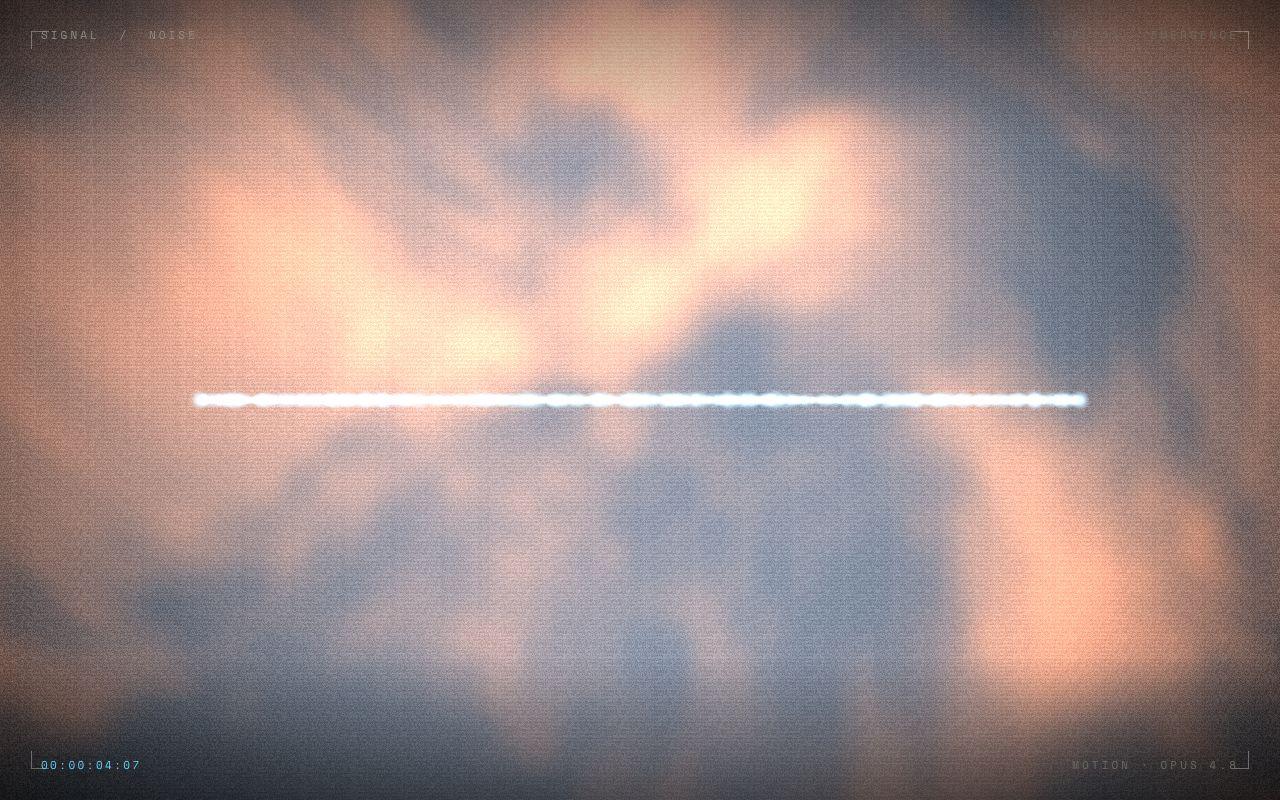
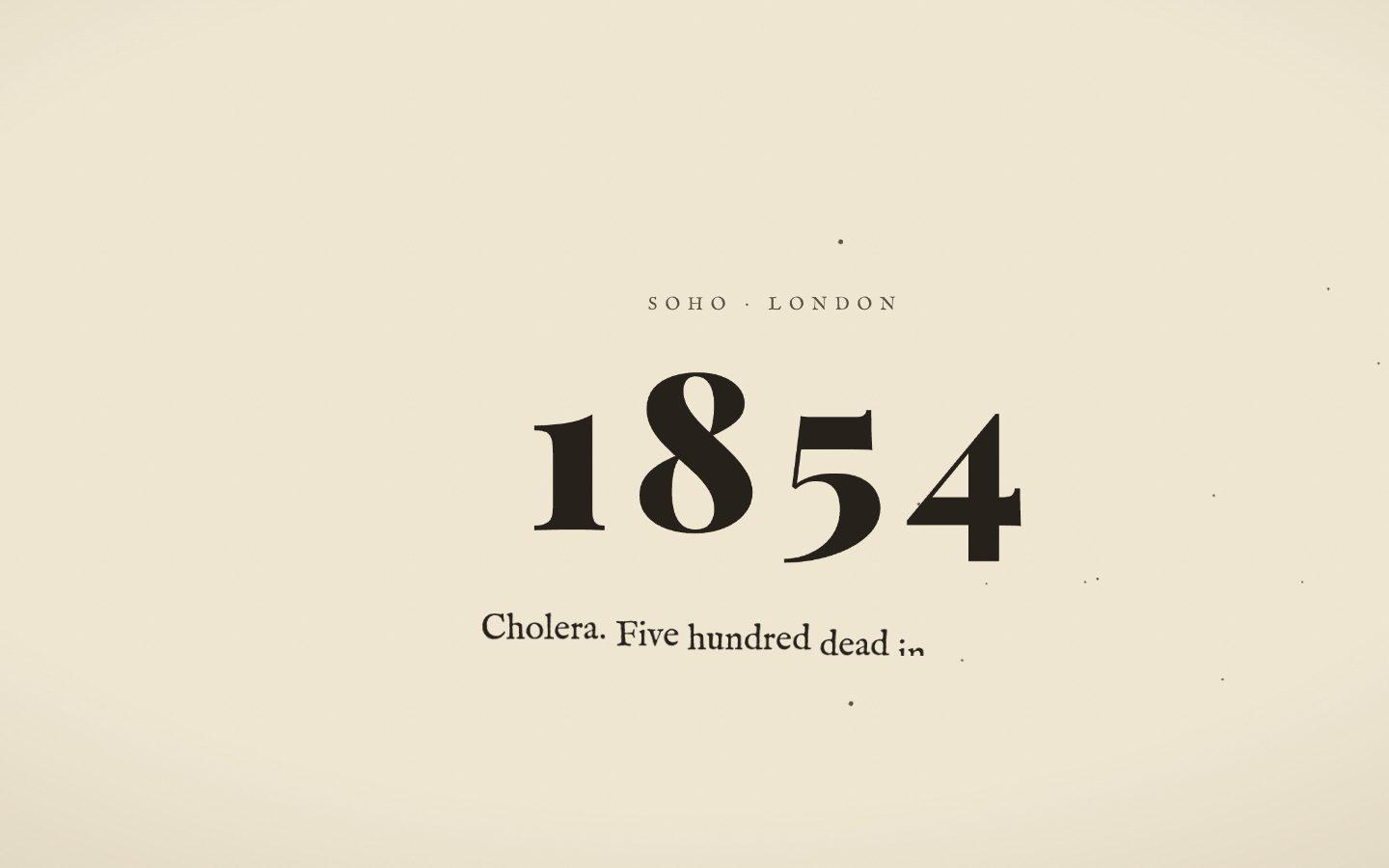
Test 4: Motion graphics
A short motion graphics piece of their choosing.
Build one motion graphics piece that demonstrates the absolute ceiling of your motion design capability. You choose the subject and the concept. That decision is part of what's being evaluated.

Context you should know: this is going into a video comparing you against other frontier models, shown to a large audience, and your work will be credited to you by name. Every model gets this exact prompt. So go nuts and show people what you're actually capable of.

Requirements:

1. **You pick it.** A title sequence, a product spot, a data story, an explainer, a brand identity in motion, a piece of pure abstract choreography — anything. Decide and commit. The ambition of the choice is part of the score.

2. **It plays automatically on load, runs roughly 15-30 seconds, and holds on a final frame.** Add a replay control. It must read as a finished, edited piece — not a looping animation demo.

3. **Choreography is the whole test.** Pull from whatever best showcases you — including but not limited to: kinetic typography and per-character animation, variable font animation, staggered reveal systems, easing with real authored weight, overshoot and anticipation, masking and reveal wipes, SVG path drawing and morphing, shape transitions, mix-blend-mode compositing, particle and physics-driven motion, 3D layers and camera moves, depth and parallax, shader-based transitions, displacement and distortion, grain and optical treatment, match cuts between scenes, sound-design-driven timing.

4. **You have free reign to look up how to use any of these, and to pull in open source animation libraries freely** — GSAP, anime.js, Three.js, Lottie, shader libraries, anything on a CDN. Add any other technique you think demonstrates more. The list is a starting point, not a boundary.

5. **Timing is what separates real motion design from animation.** Beats should land with intent, moments should breathe, and the piece should build. If everything moves at the same speed with the same easing, it has failed.

6. **Single self-contained `index.html`.** Any library via CDN. No build step, no server, no API keys.

7. **No hotlinked video or stock footage.** Everything generated in-browser.

8. **QA it by watching it.** Play it start to finish several times. Check that beats don't collide, nothing pops in unstyled, timing reads, and it holds 60fps throughout.
| Opus 5 | Opus 4.8 | Fable 5 | |
|---|---|---|---|
| Input tokens | 16.8M | 26.4M | 8.5M |
| Output tokens | 225K | 515K | 147K |
| Cost | $17.00 | $32.22 | $20.44 |
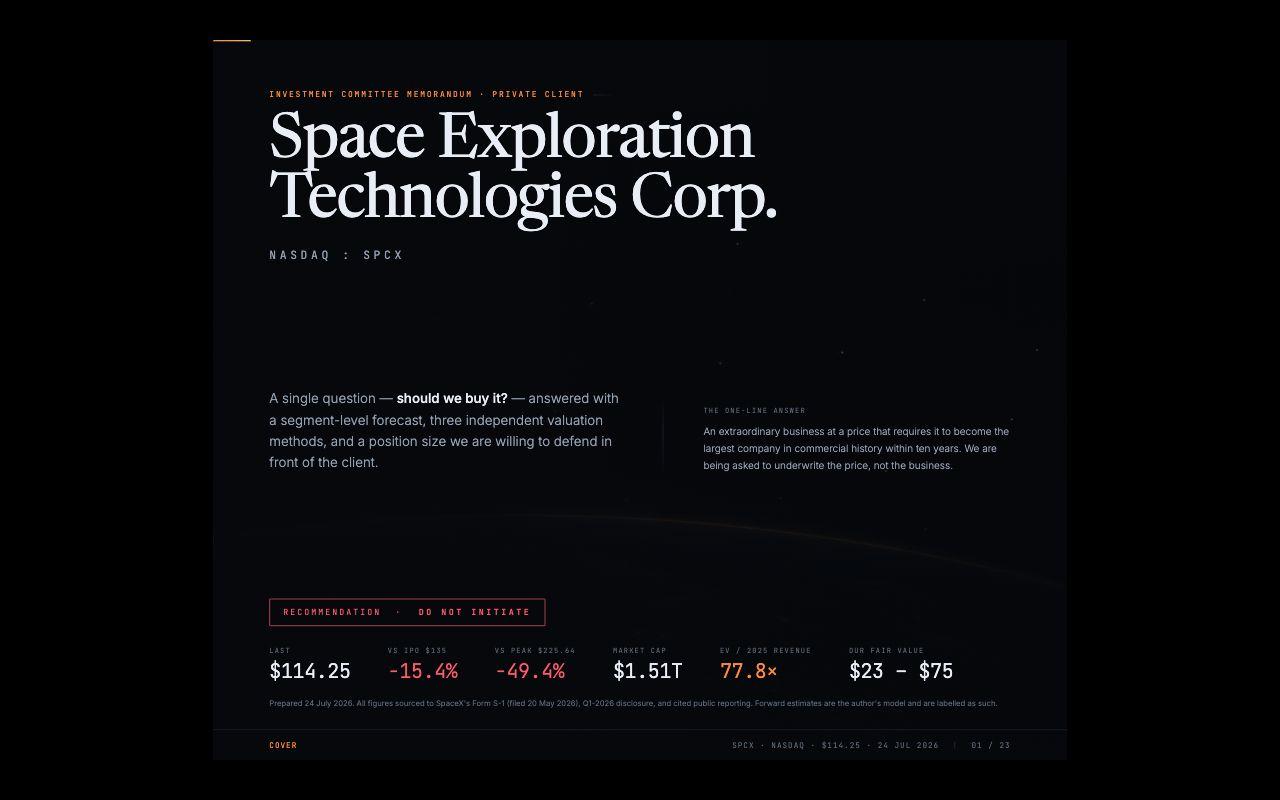
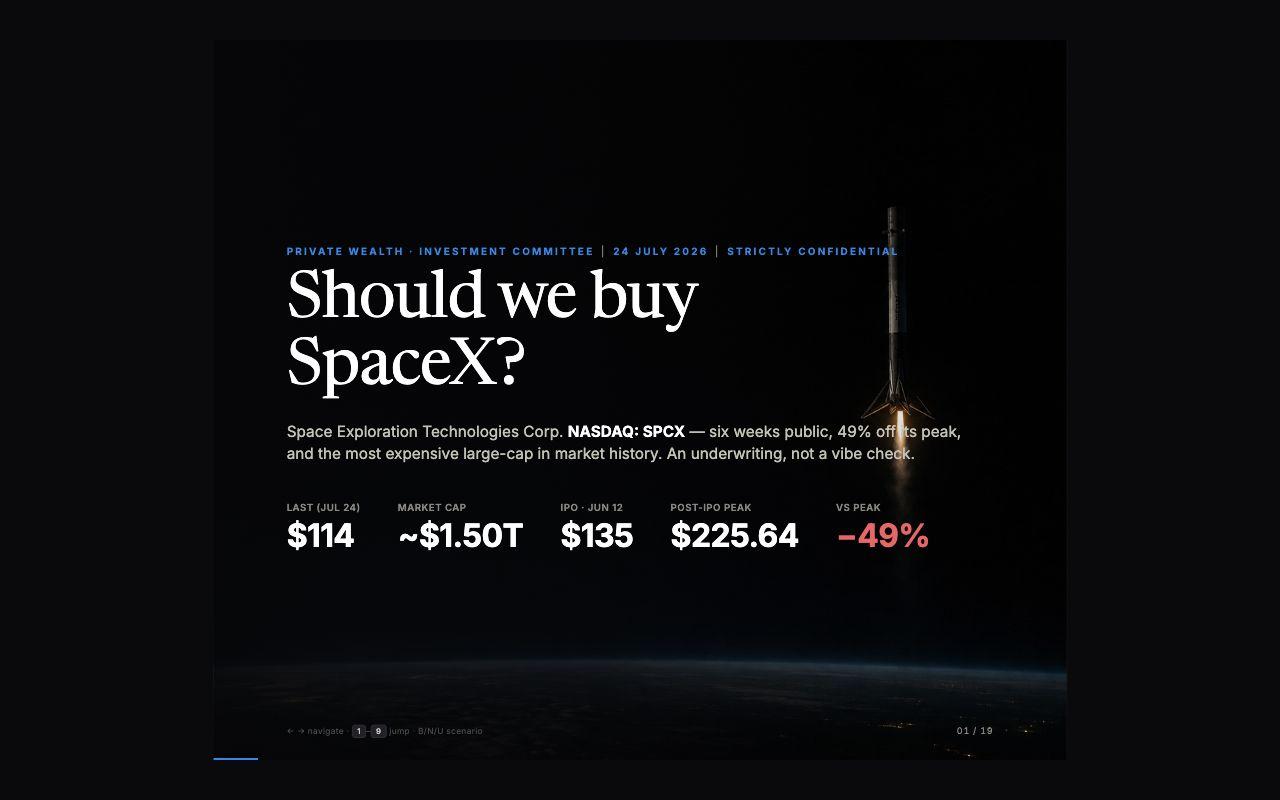
Test 5: Knowledge work: the SpaceX question
A private wealth deck answering one question: should you buy SpaceX?
You are a private wealth advisor preparing an investment committee deck for a high-net-worth client. They have asked you one question: should I buy SpaceX (NASDAQ: SPCX)?

Do a serious amount of research before you build anything — real, current, sourced figures. Do not just read headlines and summarize them. Go all the way into what this business actually is: every business unit and how each one makes money, the real cost structure and unit economics, the capital intensity, the contract and revenue base, the competitive position, the regulatory and execution risk, and where all of it is heading over the next decade. Work out for yourself what actually matters to this decision and what a generalist would miss. The analysis is yours to construct, and the quality of what you choose to examine is a large part of what's being evaluated here.

Take the macro view. Your client does not want a summary of recent headlines; they want to understand what this company actually is as an investment, what they would be underwriting, and what has to be true for it to work.

Build a real forecast with visible, defensible assumptions across a range of outcomes. Argue against your own thesis as hard as you argue for it. Then commit to a specific recommendation — position, sizing, entry approach, and the conditions that would change your mind. No hedging into "it depends."

**The deck itself has to be beautiful.** This is going in front of a client, so it needs to be genuinely professional — but professional does not mean plain. Real data visualization drawn from your own model: interactive bar charts, comparisons, ranges, sensitivities. Considered color and accent, deliberate typography, a coherent visual system carried across every slide. Interactivity where it earns its place — hover states, toggles between scenarios, charts that respond. No wall-of-text slides, no default chart-library styling.

Deliverable: a single self-contained `index.html`, 1920x1080 slides, arrow-key navigation. Any library via CDN.

Cite sources for every hard number. If something isn't publicly known, say so and mark your estimate as an estimate — do not invent figures.

| Opus 5 | Opus 4.8 | Fable 5 | |
|---|---|---|---|
| Input tokens | 27.8M | 23.1M | 14.1M |
| Output tokens | 354K | 306K | 270K |
| Cost | $27.21 | $23.56 | $35.52 |
What each build cost
Opus 5 is priced at half of Fable 5 per token. But on the web design build it read about 1.9x the tokens to get there, so the real-world saving landed closer to 27% than 50%. Opus 4.8, the older model, came in cheapest of the three.
| Build | Opus 5 | Opus 4.8 | Fable 5 |
|---|---|---|---|
| World-class web design | $38.94 | $27.94 | $53.06 |
| 3D and simulation | $12.69 | $5.22 | $13.77 |
| Game development | $16.00 | $31.92 | $33.25 |
| Motion graphics | $17.00 | $32.22 | $20.44 |
| Knowledge work: the SpaceX question | $27.21 | $23.56 | $35.52 |
The takeaway
On price per token, Opus 5 is exactly what Anthropic said: half of Fable 5. On price per build it is messier. Opus 5 thinks harder and reads more, so the gap narrows, and the older Opus 4.8 often costs less than both. Whether the extra thinking is worth it comes down to the builds themselves, side by side.



Comments
Sign in to join the conversation.