Free AI Tools: What ChatGPT, Claude, Gemini and Other Free AI Apps Give You Without Paying
ChatGPT, Claude, Gemini and Grok all have free plans, and free AI apps from Google, Notion and Wispr cover podcasts, video clips, notes and dictation.

On this page
- What is a free AI tool?
- Which free AI chatbot should you use?
- What the free plans of ChatGPT, Claude, Gemini and Grok include
- Is there a free AI chatbot with no sign-up?
- Free AI apps for documents, podcasts, video and dictation
- Free AI tools for coding
- Can you run free AI models on your own PC?
- When is it worth paying for an AI plan?
- Questions people ask
A free AI tool is an AI app you can use for $0, and many of them are the free plans of paid products. ChatGPT, Claude, Gemini and Grok all have one. ChatGPT Free gives unlimited text chats with limits on uploads, images and voice, Claude Free runs Sonnet and Haiku with limits that reset every five hours and every week, Gemini is free with a Google account, and Grok's Free plan comes with limited usage. The cheapest paid plans are Google AI Plus at $4.99 a month, ChatGPT Go and Grok Plus at $8, and Claude Pro at $20.
Last checked November 18, 2026: every price, plan and limit on this page comes from the company's own pricing or help page, checked that day and linked where it first comes up.
What is a free AI tool?
A free AI tool is an app built on an AI model that costs nothing to use up to a limit. Most fall into five groups: chatbots you type or talk to, document and slide makers, image and video makers, voice and dictation apps, and coding tools.
The chatbots and apps on this page all follow the same deal. The free plan is a real product with a cap on how much you can do, and the company sells paid plans with higher caps and extra features. The exception is open-weight models, where the company publishes the model's files so anyone can download them at no charge.
Which free AI chatbot should you use?
Pick by the job you have, because each of the four free plans is strongest at something different. AI for Mortals hasn't tested the free tiers against each other, so this comes from what each company's own page says you get.
For lots of everyday questions, use ChatGPT. It is the only one of the four whose pricing page promises unlimited text chats on Free, "subject to abuse guardrails." Uploads, image creation, voice chats and deep research are limited.
For documents, slide decks and designs, use Claude. Claude's Free plan includes Claude Design, Slides and Docs, plus web search, file creation, running code, memory across chats and up to five projects, on the Sonnet and Haiku models. There's more in what Claude's Free plan includes.
If your work lives in Gmail and Google Drive, use Gemini. The free plan comes with a Google account and includes Deep Research, Gemini Live for voice chats, Canvas, image generation and editing, and Gemini Notebook, with 15 GB of storage across Gmail, Drive and Photos.
If you already use X, look at Grok. Grok's Free plan sits inside xAI's X Subscription, a bundle of Grok, the Cursor code editor and X, and Free includes standard X. It costs $0, and its included usage is listed only as "Limited." The details are in what Grok's free plan gets you.
What the free plans of ChatGPT, Claude, Gemini and Grok include
All four free plans cost $0 and all four cap your usage, but only Claude and Gemini publish a reset schedule (every five hours, up to a weekly limit). None of the four gives a number of messages for its free plan.
| Chatbot | What Free includes | Main limits | When limits reset | Cheapest paid plan | Source |
|---|---|---|---|---|---|
| ChatGPT | Unlimited text chats, uploads, image creation, voice chats, deep research, Codex | Uploads, images, voice, deep research, memory and Codex are limited | ChatGPT shows the reset time when you hit a limit | Go, $8 a month | OpenAI pricing |
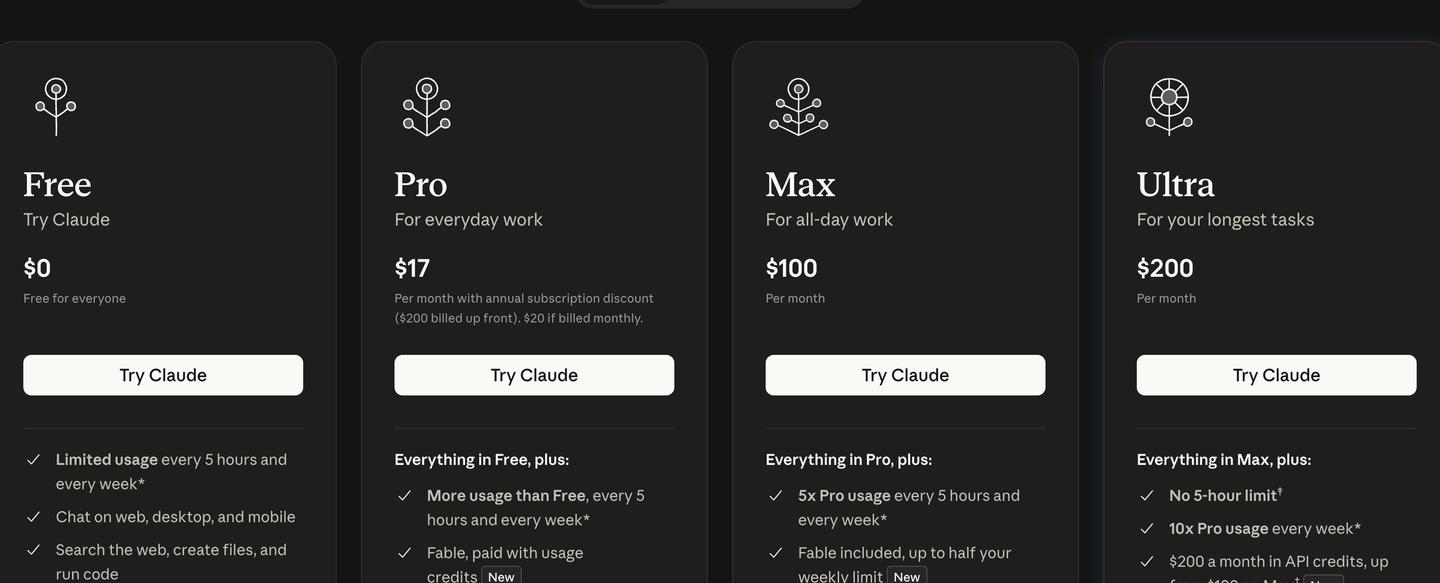
| Claude | Sonnet and Haiku; web search, files, code, memory, Artifacts, Design, Slides, Docs, up to 5 projects | "Limited usage"; no Opus, Claude Code or Research | Every 5 hours and every week | Pro, $20 a month ($17 a month billed yearly) | Anthropic pricing |
| Gemini | Gemini 4 Hydrogen with auto model selection, image generation and editing, Deep Research, Gemini Live, Canvas, Gemini Notebook, 15 GB storage | Based on how much computing your requests use | Every 5 hours until you hit a weekly limit | Google AI Plus, $4.99 a month | Google AI plans |
| Grok | Grok with standard X | Usage listed as "Limited" | Not stated for Free | Plus, $8 a month ($80 a year) | xAI pricing |
Google says Gemini's free limits depend on how complex your prompts are, which features you use and how long the chat runs. Anthropic says the same kind of thing for Claude: how fast you hit a limit depends on the model, the length of your chats and the size of your files.
For ChatGPT, OpenAI's Free tier FAQ says file uploads, image generation, voice and data analysis each have their own limit, separate from chat, and ChatGPT tells you when you reach one. More on that in ChatGPT's free plan limits and when they reset.
Is there a free AI chatbot with no sign-up?
Yes, ChatGPT. OpenAI's help page on the ChatGPT home page says you can use ChatGPT at chatgpt.com before creating an account, in supported countries including Europe and the UK. Some people may still be asked to log in first, depending on their location or network.
Logged out, you get one conversation at a time, and it isn't saved. The chat stays available only for that session in the same browser, and starting a new chat closes the old one.
Google lists Gemini's free plan as $0 "with a Google Account." Anthropic's and xAI's pricing pages don't say whether you can chat with Claude or Grok without signing in.
Free AI apps for documents, podcasts, video and dictation
Several free apps handle one job well, and most come from the same companies as the chatbots.
Documents and slides. Claude's Docs, Slides and Design are on the Free plan, so you can draft a document or a slide deck in Claude without paying.
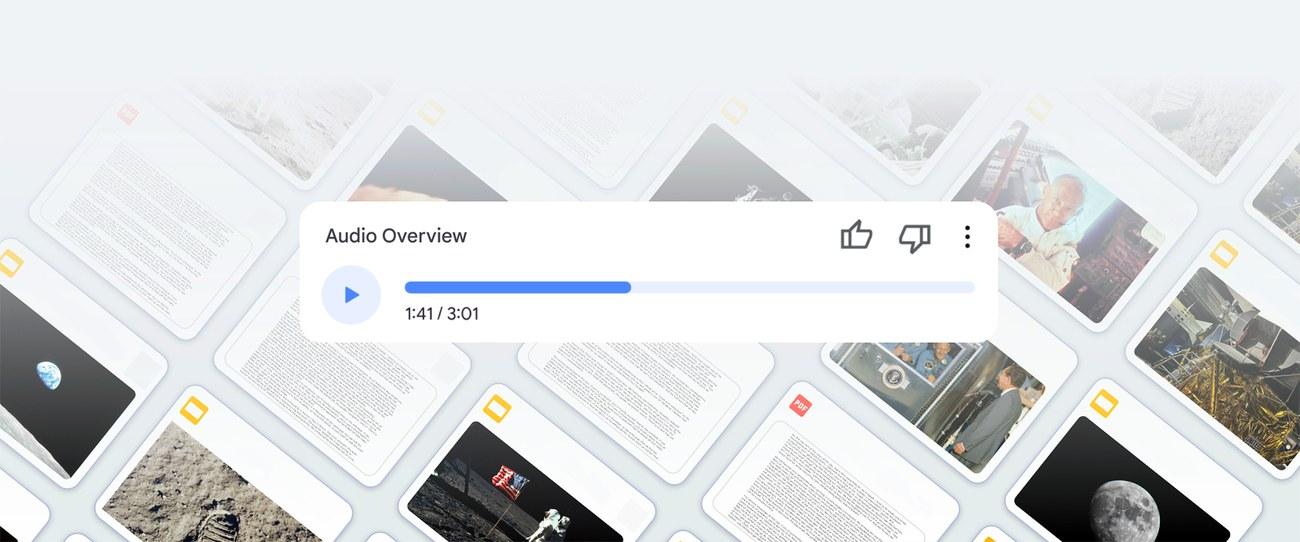
A podcast made from your own files. Google's Audio Overview, inside Gemini Notebook (the research tool formerly called NotebookLM), turns your uploaded sources into AI hosts talking through them. Google's Audio Overview help page lists four formats: a two-host Deep Dive, The Brief (one speaker, under two minutes), The Critique and The Debate. Google's Gemini Notebook plans page says you can sign up at no charge with a Gmail account, and free accounts get up to 100 notebooks with 50 sources each. The steps are in our guide to turn your documents into a free AI podcast.
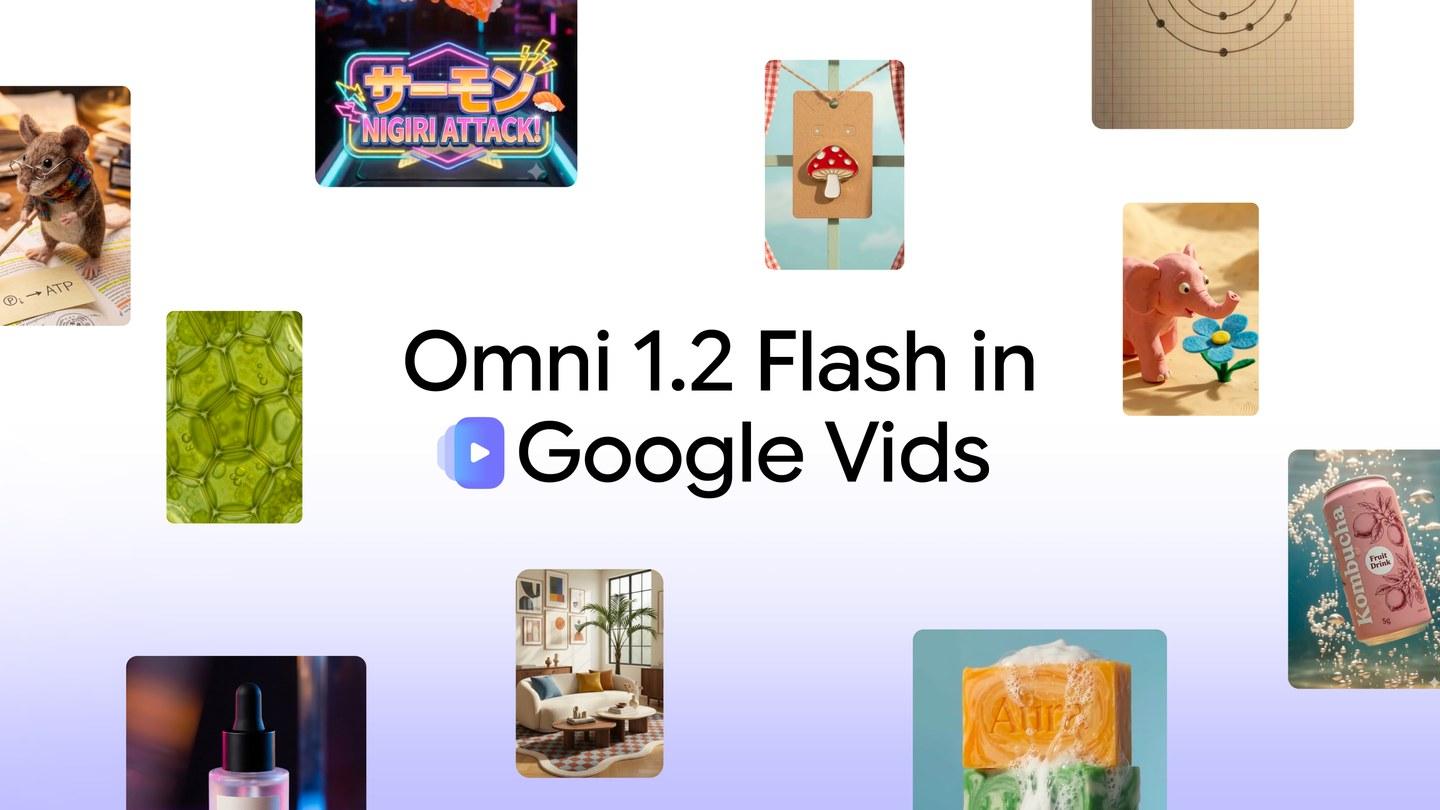
Short video clips. Google Vids, Google's video maker, now runs on the Omni 1.2 Flash video model, and Google's Vids announcement says anyone with a Google account can generate up to three 15-second videos a month at no cost.
Notes and wikis. Notion's pricing page lists a "Trial of Notion AI" on the Free plan. Notion's Custom Agents, which handle repetitive tasks on their own, are "Free to try, then $10 per 1,000 monthly Notion credits."
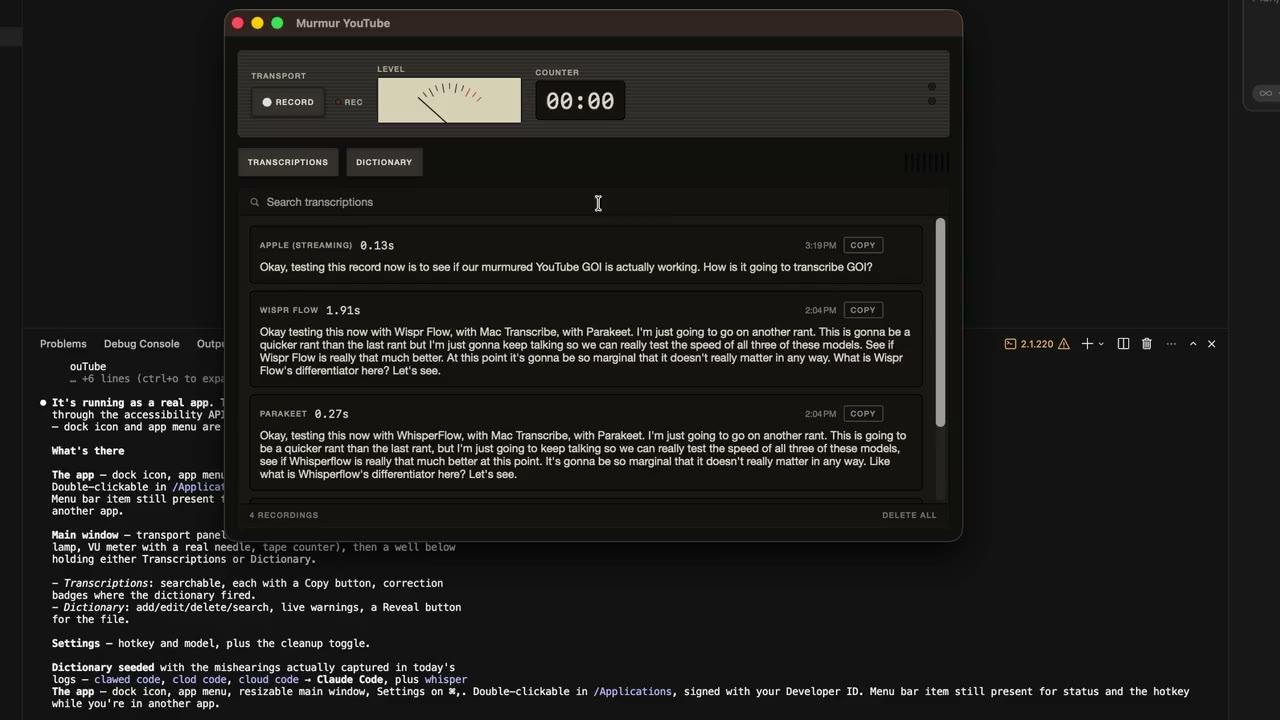
Dictation. Wispr Flow, an app that types what you say, has a Free plan on Mac, Windows, iPhone and Android with "Limited words per week," according to Wispr Flow's pricing page. Its Pro plan costs $15 a month. Pat Simmons built a free, open-source alternative for the Mac called Murmur with Claude Code: you hold a key, talk and let go, and the text lands in whatever field you're typing in. It transcribes on your own Mac, and its page describes it as a working skeleton.
Free AI tools for coding
ChatGPT Free and Cursor's Free plan both let you code with AI at no cost, within limits, while Claude Code needs a paid Claude plan.
ChatGPT's Free plan includes "Limited Codex access." Codex is OpenAI's coding agent, an AI that writes and edits code for you.
Cursor, an AI code editor, has a Free plan with limited agent requests and limited chat requests, according to Cursor's pricing page. Its paid plans cost $8, $30, $100 and $200 a month, the same tiers as xAI's X Subscription, which now bundles Cursor with Grok and X. Models from other AI companies cost extra on every plan. Cursor's free plan and paid tiers covers what each tier adds.
Claude Code isn't on Claude's Free plan. Anthropic lists it as a Pro feature, so it starts at $20 a month.
Can you run free AI models on your own PC?
You can download open-weight models for free from Hugging Face, the site where Moonshot and Alibaba post their model files. Whether a given computer can run one depends on the model's size, and the sizes vary a lot.
Size is usually counted in parameters, the numbers a model learns during training. Moonshot's Kimi K3.1 Pro page on Hugging Face lists 2.8 trillion of them. Alibaba's Qwen3.8-27B has 27 billion, about a hundredth of that, and its page gives setup commands for vLLM and SGLang, two programs for running a model on your own hardware.
You can also chat with Kimi K3.1 Pro for free, with "Limited usage" on the web and in Kimi Work, Moonshot's desktop app. Its paid plans start at $15 a month billed yearly, according to Moonshot's pricing page. In Pat's Kimi K3.1 builds against Opus 5.5 and GPT-6 Astra (a 3D billiards game, a copy of a product website and a rebuild of Kimi's own launch video, with Fable 5.1 and DeepSeek V4.1 Flash also in the running), Kimi came last every time.
Each model comes with its own license, which sets what you're allowed to do with it. Kimi K3.1 Pro uses Moonshot's own "Kimi K3.1 Pro License."
DeepSeek and Alibaba run free chat apps for their models too. DeepSeek's website describes its official assistant as a place to "Chat with leading AI models for free," and Qwen's site says the Qwen assistant is "free to use, open to all."
When is it worth paying for an AI plan?
Paying makes sense when a free limit, or a feature missing from Free, keeps stopping work you do every week. The cheapest paid plans cost between $4.99 and $20 a month, and each adds something different:
- Google AI Plus, $4.99 a month: double Gemini's free usage, video generation, more Audio Overviews and 400 GB of storage.
- ChatGPT Go, $8 a month: more messages with tools, more uploads, images and voice chats, and longer memory; OpenAI says this plan may include ads.
- Grok Plus, $8 a month: a usage allowance shared across Grok and Cursor; Grok Bot needs Premium at $30.
- Claude Pro, $20 a month: more usage than Free, Claude Code, more Claude models and scheduled tasks.
- ChatGPT Plus, $20 a month: advanced reasoning models with GPT-6, plus more deep research and Codex.
Google's full list of plans is in Gemini's free tier and Google AI plans.
Questions people ask
Is DeepSeek free?
Yes. DeepSeek's site says its official assistant lets you chat with its AI models for free.
Is Qwen free?
Yes. Alibaba's Qwen assistant is free to use, and Alibaba posts Qwen models such as Qwen3.8-27B on Hugging Face for anyone to download.
Is Notion AI free?
Notion's Free plan includes a trial of Notion AI, and Notion's Custom Agents are free to try before credits kick in.
Does ChatGPT Free have ads?
It can. OpenAI's Free tier FAQ says ads may appear on Free in certain countries.
Can you make a custom GPT on ChatGPT Free?
No. OpenAI says new GPT creation isn't available on any personal plan (Free, Go, Plus or Pro), though you can keep using existing GPTs.
Is Gemini free?
Yes, with a Google account. Usage refreshes every five hours until you reach a weekly limit.
Is Wispr Flow free?
Yes, with a weekly word limit on the Free plan. Its Pro plan costs $15 a month.
Does upgrading reset ChatGPT's free limits?
Yes. OpenAI says your usage resets when you move from Free to Plus, Pro or Business.
Sources
- OpenAI: ChatGPT pricing (checked November 18, 2026)
- OpenAI: ChatGPT Free tier FAQ
- OpenAI: The ChatGPT home page (using ChatGPT without an account)
- Anthropic: Claude pricing (checked November 18, 2026)
- Google: Google AI plans (checked November 18, 2026)
- xAI: The X Subscription pricing (checked November 18, 2026)
- Google: Omni 1.2 Flash in Google Vids at no cost
- Cursor: pricing (checked November 18, 2026)



Comments
Sign in to join the conversation.