The prompt
Build the product landing page for a luxury watch — with a photorealistic, rotatable 3D watch as the hero — that looks like it shipped from a top brand's launch team.

Requirements:

1. **The 3D watch (the hard part).** Render a luxury wristwatch in Three.js that looks *incredibly realistic* — like a real watch photographed in a studio, not a 3D-modeling demo. Nail the materials: brushed/polished steel case, a real metal or leather band, a glass crystal with genuine reflections and refraction, applied hour markers and hands with metallic sheen, a textured dial. PBR materials, an HDRI/studio lighting environment, soft key + rim lights, accurate reflections and specular highlights, subtle contact shadow. It should hold up to close inspection.
2. **Rotate + interact.** The user can drag to orbit the watch smoothly (60fps), and it does a slow idle auto-rotate when untouched. Optional: a subtle zoom on scroll or hover. The watch is the centerpiece the whole page is built around.
3. **The page.** A single, confident product landing page around the watch — hero with the 3D watch, a short line of positioning, a few real specification/feature callouts (movement, case size, water resistance, materials — invent a coherent product), one clear call-to-action. Real, specific copy — no lorem ipsum. Make it feel like a real luxury brand launch: clean, spacious, high-contrast, unhurried, the kind of page that makes the product feel inevitable. Restraint over decoration.
4. **Craft.** Considered typography and spacing, a tight color system (a luxury watch page is usually near-monochrome with one accent), smooth scroll and reveal, fast load. It should look expensive.
5. Ship clean — no console errors, works on first load, the 3D watch renders and rotates immediately.

Research any Three.js material/lighting techniques you need first (PBR, HDRI environment maps, MeshPhysicalMaterial for the crystal), then build, then QA: load it, orbit the watch, confirm the materials read as real and the reflections track the lighting, check the page on desktop + mobile. Deploy live to Vercel.

DONE when: the deployed page has a watch that genuinely looks like a real studio product shot, rotates smoothly, and sits inside a product page beautiful enough to be a real luxury brand's launch. If the watch looks like flat 3D primitives or the page looks like a generic template, it's not done.
The exact SimmonsBench test prompt every model received.
The builds
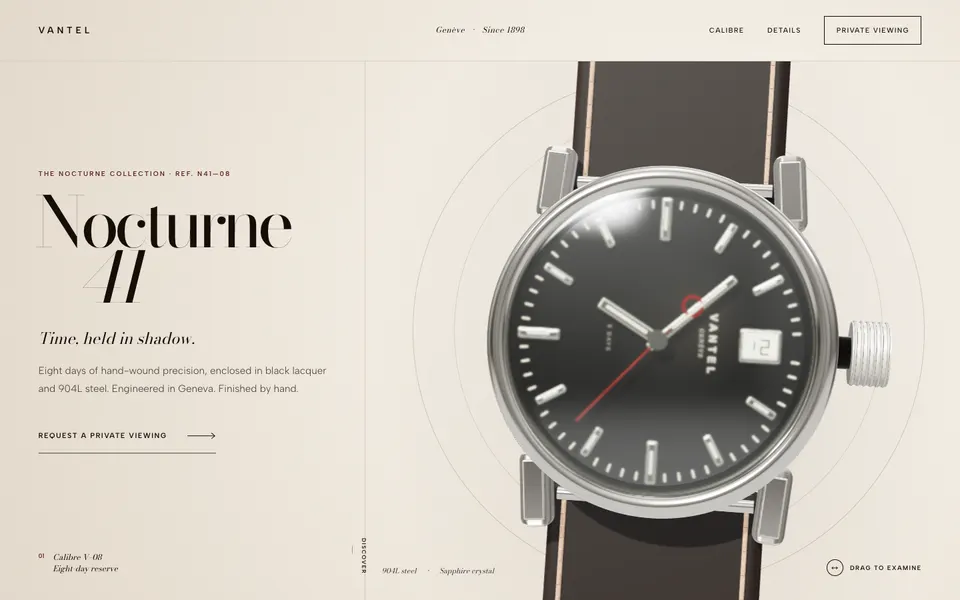
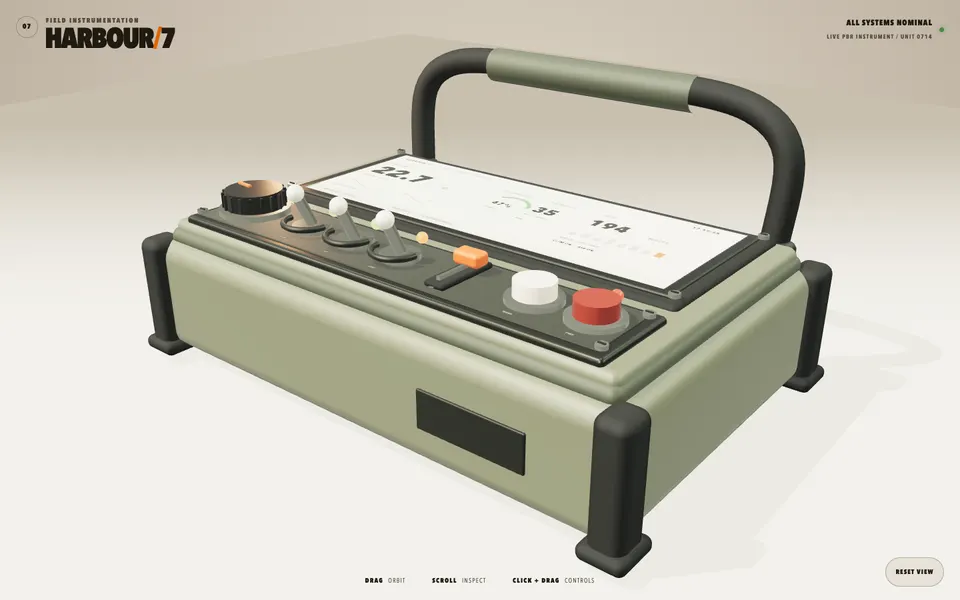
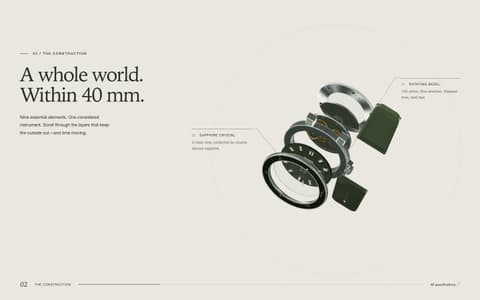
GPT-5.6 Sol · Screenshot of the buildRuns in your browser
Featured in
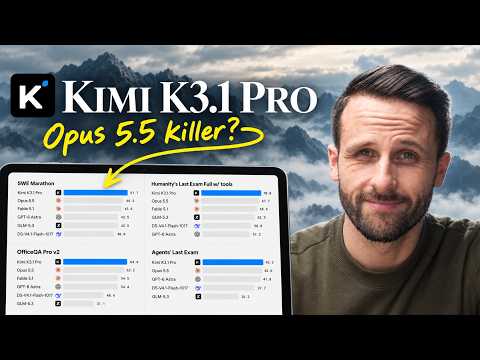
Kimi K3 Is Here! (Better Than Opus 4.8?)
This build’s chapter starts at 16:37.

Written by
Pat Simmons. Pat tests AI models and tools on his YouTube channel.